beaconofhopeanimalrescue/Instagram

A Cat Was Returned to the Shelter After 5 Years and His Story Is Breaking Hearts Everywhere

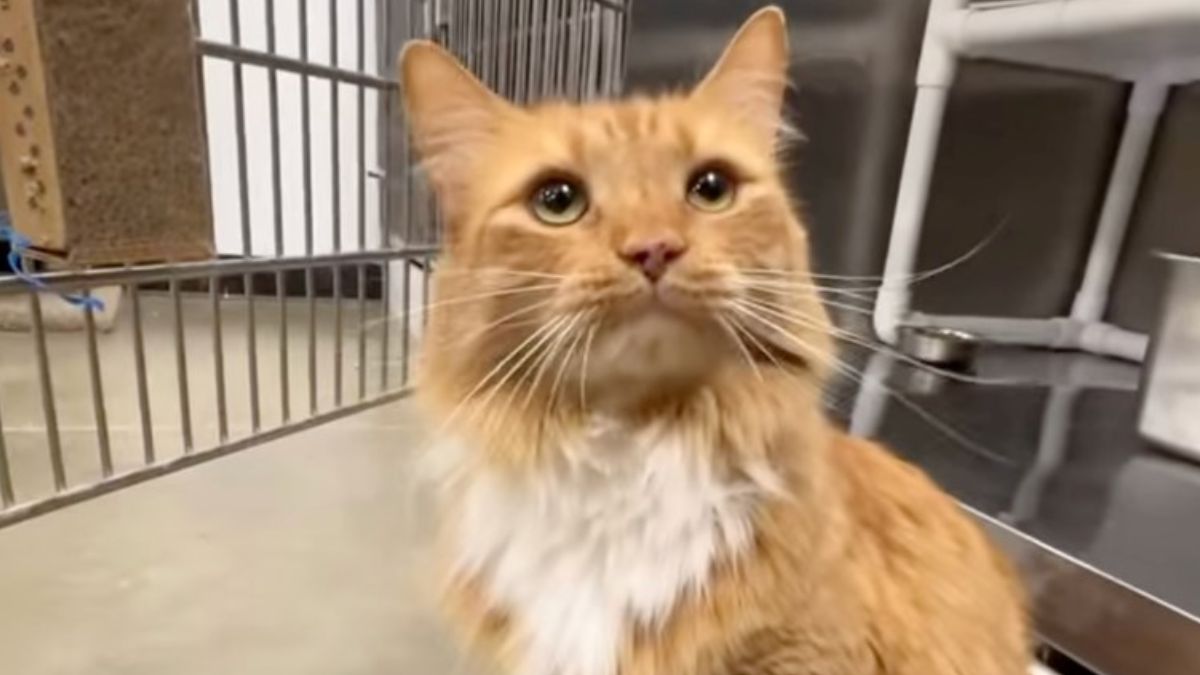
A ginger cat named Zeke is once again searching for a forever home after being surrendered to an animal shelter in New Jersey, five years after he was first adopted. His story spread rapidly across the internet after the Beacon of Hope animal rescue shared an emotional video on Instagram showing shelter staff and volunteers doing their best to comfort a visibly confused Zeke in the moments following his unexpected return. The clip, gentle and quietly devastating, struck a nerve with animal lovers around the world.

The video shows Zeke sitting uneasily in an unfamiliar environment while the people around him offer treats and gentle affection, trying to ease the transition. In the post accompanying the footage, Beacon of Hope explained the circumstances that led to his return, and the words were simple but impossible to shake. “Zeke lost everything he knew… and he doesn’t understand why,” the shelter wrote. “After five years in a home, he was returned because his owners divorced. He did nothing to deserve this, and now he’s back in a cage, confused, scared, and missing the life he had.”

According to Beacon of Hope, Zeke was originally rescued as a kitten alongside three of his brothers. The family that adopted him cared for him for half a decade, but when their marriage ended, the decision was made to surrender him. “Although he is very affectionate, he was understandably confused by all the changes,” shelter representatives told Newsweek. Rather than going straight back onto the adoption floor, Zeke was first placed in a temporary foster situation to help him decompress and readjust. Now that he has had some time to settle, he is available for adoption and can be found at PetSmart in Bridgewater, New Jersey.

Those who have met him describe a cat who simply needs patience and a little time to warm up. The shelter’s post painted a picture of who Zeke really is beneath the anxiety. “Just give him a little time… he loves to cuddle,” the Beacon of Hope wrote. “That moment when he leans into you, closes his eyes, and finally feels safe again.” The message was clear: this is not a difficult cat. This is a heartbroken one.

The response from the public was overwhelming. The Instagram video surpassed 313,000 views, and adoption inquiries poured in from across the region and beyond. “We received numerous applications from all over New Jersey, New York, Pennsylvania, Texas, and even from Ontario, Canada,” shelter representatives shared. They also noted that volunteers have been central to Zeke’s recovery, spending time with him and helping him feel secure enough to begin trusting again. “Our volunteers adore him and their support has truly helped him relax,” the shelter said.

Comments on the post reflected a mix of heartbreak and hope. “He looks like a real gentleman. It’s sad that neither of his people cared enough to give him a loving home,” one person wrote. Another added, “Really awful of those people. I hope this kitty finds a family that will love him forever and give him the safe home he deserves.” The overwhelming sentiment was one of protectiveness, a collective wish for Zeke to find the kind of stability he clearly longs for.

Stories like Zeke’s highlight a reality that shelters deal with quietly and constantly. Divorce is one of the most common reasons adult pets are surrendered, and animals who have spent years in a home often struggle the most with re-entry into shelter life. They have known routine, comfort, and belonging, and the sudden loss of all three is something they feel deeply, even if they cannot name it.

Cats who are surrendered after long stretches of domestic life have been observed to go through something remarkably similar to grief, spending days hiding, refusing food, or pressing themselves into corners as they try to make sense of an environment that feels nothing like home. Interestingly, orange tabby cats like Zeke have long been perceived by shelter workers as among the most people-oriented and emotionally expressive of all domestic cat coat patterns, which may be part of why his story hit so hard. The average time a cat spends waiting for adoption in a U.S. shelter is around 25 days, but older cats and those surrendered under emotional circumstances often wait significantly longer, making visibility and community support all the more vital.

What do you think about pets being surrendered due to circumstances like divorce, and what would you do differently if you were in that situation? Share your thoughts in the comments.
Similar Posts

  • 5 ways Vacation Routines Stress your Pet: Psychology Science most owners Miss

    Vacations are exciting for humans, but for pets, they can feel confusing, stressful, and even scary. Many animals rely on routine to feel safe, so small travel changes can trigger anxiety in ways owners do not expect. The science is simple: pets read patterns, smells, and body language, not calendars. These five overlooked vacation habits can raise stress fast, even in calm pets, and knowing them helps you prevent problems before they start. A few small adjustments can make travel days easier for everyone.
    1. Packing Early Signals “Something Is Wrong” to Your Pet
    When you start pulling out suitcases, your pet often notices before you do. Many animals link luggage with separation, which can trigger anticipatory anxiety. Dogs and cats are experts at pattern recognition, so even quiet packing can create stress because it predicts a major change. Some pets respond by pacing, whining, hiding, or becoming clingy. Others may stop eating or start acting unusually alert. Psychology research on animal behavior shows that uncertainty is often more stressful than the event itself. Packing in smaller steps, keeping normal routines, and adding calm activities can reduce the buildup of anxiety.
    2. Your Mood and Body Language Change More Than You Realize
    Vacation prep usually comes with stress, rushing, and distraction. Pets notice that shift immediately because they rely heavily on your tone, facial expression, and energy. Even if you are excited, the fast movement, shorter patience, and unusual household noise can signal danger to an animal’s brain. This is especially true for anxious dogs and sensitive cats. Behavioral science shows that animals can mirror human stress through increased vigilance and restlessness. A pet may start shadowing you, refusing naps, or becoming reactive. Slowing down, using a calm voice, and keeping playtime normal can make a big difference.
    3. Skipped Walks, Late Meals, and Broken Timing Disrupt Safety Signals
    Many owners think pets will adjust easily to vacation timing changes, but routine is a major source of security for most animals. Meals, walks, and bedtime create predictable anchors that tell a pet their world is stable. When those anchors shift, stress rises, especially in dogs who depend on consistent potty breaks and activity. Cats can also become unsettled when feeding schedules change, which may lead to hiding, vocalizing, or litter box issues. Studies on animal stress show that predictable patterns lower cortisol over time. Even on travel days, keeping timing as close as possible helps pets stay calmer.
    4. New Smells and Spaces Can Trigger Overload, Not Curiosity
    People often assume pets will be excited by a new place, but unfamiliar environments can overwhelm them. Animals process the world through scent and sound, so hotels, rentals, or relatives’ homes can feel like sensory overload. New cleaning products, unfamiliar pets, strange floors, and different noises can raise stress quickly. Dogs may become hyper-alert, bark more, or refuse to settle. Cats may hide for hours or stop eating. Animal behavior research shows that novelty is not always enriching, especially when the pet has no control. Bringing familiar bedding, toys, and maintaining a quiet corner helps reduce that overload.
    5. Handing Them Off to a Sitter Without a Transition Creates Separation Shock
    Even if you trust your sitter, your pet may not. A sudden handoff can feel like abandonment to an animal that does not understand travel plans. Dogs may respond with barking, destructive behavior, or loss of appetite. Cats may become withdrawn, refuse interaction, or show stress through litter changes. Psychology studies on attachment show that animals form strong bonds and feel distress when those bonds are disrupted without a predictable transition. A short meet-and-greet, a trial visit, or a practice overnight can reduce stress dramatically. Familiar scents, written routines, and consistent feeding also help the sitter maintain stability.

  • Hawaiian Man Gets Honored for Punching Tourist Who Threw a Rock at an Endangered Seal

    Not all heroes wear capes, and in Hawaii, one man is being celebrated for delivering a very hands-on lesson in respect. A video that quickly spread across social media showed a tourist, reportedly from Seattle, hurling a large rock at a Hawaiian monk seal resting along the shoreline off Front Street in Lahaina. The seal,…

  • Heartwarming Rescue of Beloved Dog After 100-Foot Cliff Fall

    A springer spaniel named Bruno brought joy to his family and rescuers after surviving a dramatic plunge off a cliff and waiting overnight on a narrow ledge. The adventurous dog disappeared during a walk at Trebarwith Strand in Cornwall on a Sunday afternoon. His worried owners quickly raised the alarm and appealed for help describing…