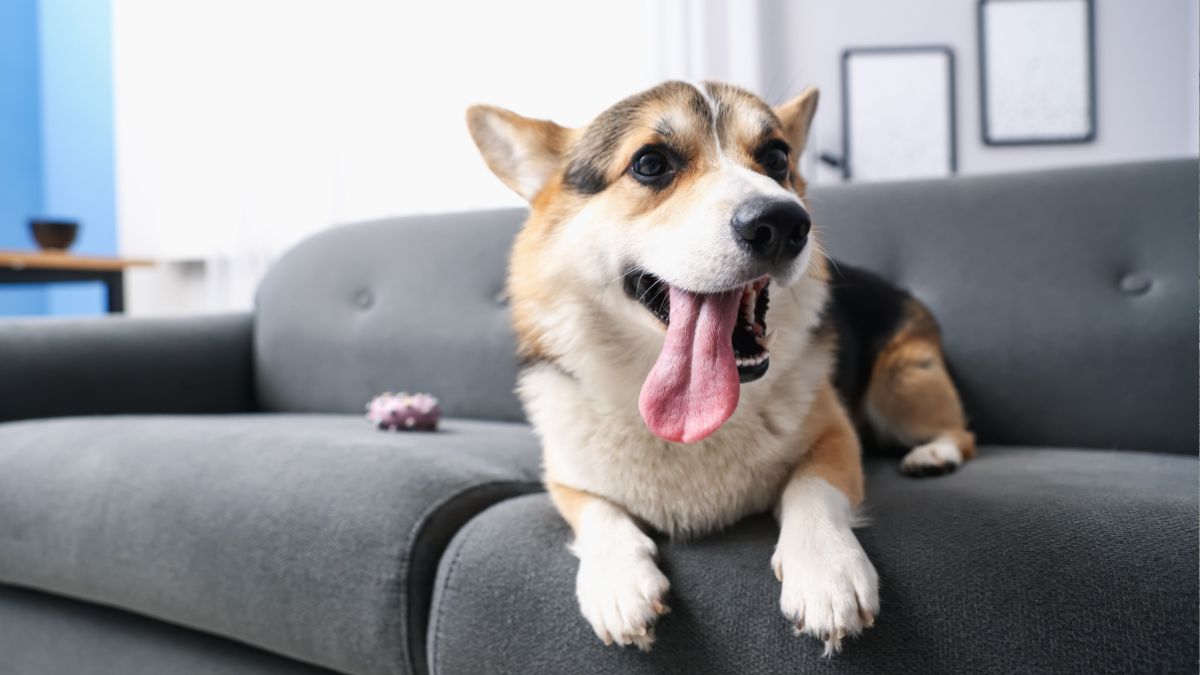
Your Dog Might Be Unhappy If It Does These Four Things
Many dog owners treat their pets like true family members and show affection through hugs and cuddles without realizing that some actions can actually make their furry friends feel anxious or trapped. Professional dog trainer and psychologist Philip Legood points out that dogs communicate through subtle body language signals that often go unnoticed by even the most loving owners. Recognizing these cues helps create a happier and healthier life together with your companion. Learning to read what your dog is really saying can prevent misunderstandings and strengthen your bond over time.
One common sign that your dog may not be comfortable involves a stiff and tense body posture instead of the usual relaxed stance. When a dog freezes up or holds itself rigidly during interactions it could be feeling threatened or restricted in some way. Another indicator appears when the ears are pulled back flat against the head which signals fear or unease in the moment. Paying close attention to these physical changes allows you to adjust your approach and give your pet the space it needs to feel secure.
Frequent lip or nose licking when no food is around serves as a classic calming signal that something is bothering the animal. Dogs use this behavior to soothe themselves in stressful situations much like humans might fidget when nervous. Similarly what looks like a friendly grin with lips pulled back to show teeth is actually a warning sign rather than an expression of joy. Many people misinterpret this as a smile but it often means the dog feels pressured and wants the interaction to stop right away.
A raised paw can also reveal underlying insecurity during moments of discomfort. This subtle gesture combined with the other signals suggests the dog is unsure and trying to cope with its emotions. Over time ongoing stress might lead to bigger changes such as losing interest in favorite walks or toys that once brought excitement. If your dog suddenly seems lethargic or avoids playtime it is worth investigating what might be causing the shift in mood.
Shifts in appetite often provide another clue that all is not well. A dog that starts refusing meals or treats without any medical reason could be dealing with emotional distress rather than just being picky. Some pets begin sleeping far more than usual and withdraw from family members they normally seek out for attention. On the flip side others turn to destructive chewing of furniture or shoes as a way to release built up frustration from lack of mental stimulation or exercise.
Experts recommend a simple observation method to quickly check your dog’s emotional state by looking at posture eyes ears and overall position. A content dog displays a soft face with a gently open mouth and a tail that wags in wide loose circles while actively inviting interaction. In contrast signs of unhappiness include wide eyes showing extra white tense muscles or attempts to hide or turn away. Ruling out health issues with a visit to the veterinarian should always come first before assuming behavioral causes.
@thebkpets Use code BKPETS for 15% off @innovativepetlab’s new stress test!❤️🐾 #thebkpets #dogstress #innovativepetlab #IPLpartner ♬ original sound – The BK Pets – Dog Food Tips
Making small adjustments in daily routines can make a real difference in your dog’s well being. Offering more opportunities for independent play enriching the environment with puzzle toys and respecting personal space during rest times all contribute to greater contentment. Regular gentle exercise tailored to your pet’s energy level combined with positive reinforcement training helps build confidence and reduces anxiety over the long term. Consistency in these habits creates an atmosphere where your dog feels truly understood and valued as part of the household.
Understanding your dog’s unique signals turns everyday moments into chances to respond with empathy instead of assumptions. By staying observant and responsive you foster an environment filled with trust and mutual respect that benefits both of you.
What signs have you noticed in your own dog’s behavior that made you wonder about its happiness and how did you respond in the comments.