Can Dogs Eat Quinoa? Safety & Nutrition Guide
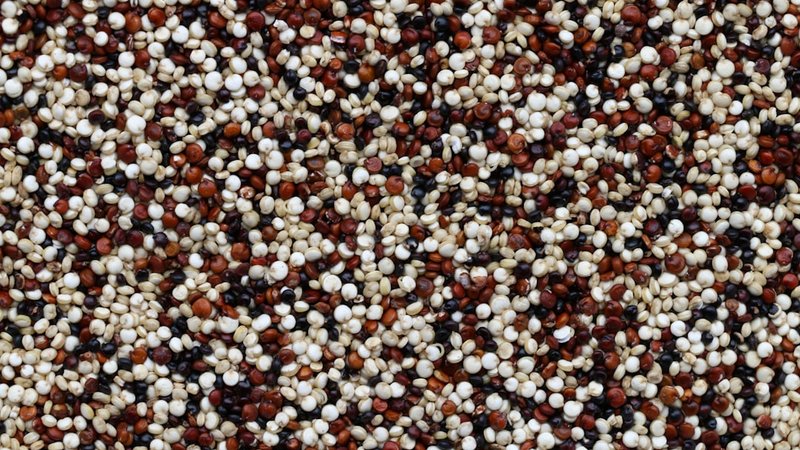
Quinoa has earned a strong reputation as a nutrient-dense superfood, and many dog owners are now wondering whether their pets can share in those benefits. The short answer is yes — quinoa is generally safe for dogs when prepared and served correctly.
That said, there are important guidelines to follow before adding it to your dog’s bowl. Understanding the safety profile, nutritional value, and proper serving method will help you make the best decision for your pet.
Safety and Digestibility of Quinoa for Dogs
Quinoa is not toxic to dogs, and it appears on the approved ingredient list of several commercial pet food brands. Its digestibility is generally good, though some dogs with sensitive stomachs may need a slow introduction.
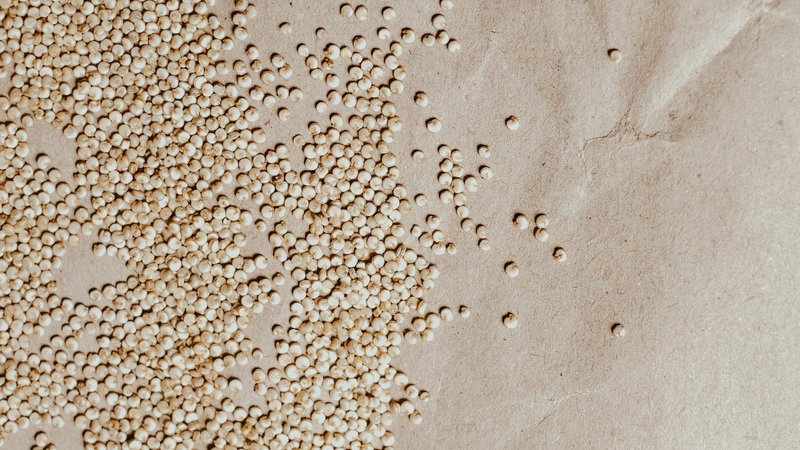
One concern worth noting is saponin, a naturally occurring chemical coating on quinoa seeds. Saponin can cause mild gastrointestinal irritation in dogs, which is why thorough rinsing before cooking is essential.
Raw quinoa should always be avoided. Cooking sprouted quinoa eliminates the risk of bacterial contamination, including E. coli and salmonella, which can thrive in the moist environment where raw grains are stored.
Nutritional Benefits and Protein Content
Quinoa is one of the few plant-based foods considered a complete protein, meaning it contains all nine essential amino acids. This makes it particularly valuable for dogs on limited-ingredient or plant-forward diets.
According to Harvard’s Nutrition Source, quinoa is rich in fiber, magnesium, B vitamins, iron, and antioxidants — all nutrients that support overall canine health. These compounds contribute to immune function, energy metabolism, and digestive wellness.
As a Registered Dietitian notes, quinoa offers fiber, plant-based protein, antioxidants, and micronutrients that make it a meaningful dietary addition beyond standard white rice. Dogs that regularly consume nutrient-dense whole foods tend to show better long-term vitality.
If you’re already exploring seed-based nutrition for your dog, the benefits of chia seeds for dogs offer another useful comparison point for plant-based dietary additions.
Proper Preparation and Portion Guidelines
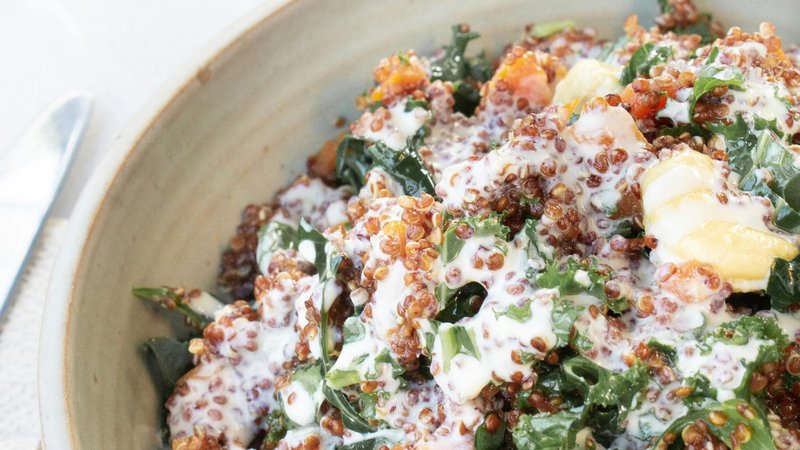
Always rinse quinoa thoroughly under cold water before cooking to remove the saponin coating. Cook it plain in water — never use broth, garlic, onion, or seasoning, as these ingredients are harmful to dogs.
Portion size matters. For small dogs, a tablespoon or two mixed into their regular food is sufficient. Larger breeds can tolerate up to a quarter cup, but quinoa should supplement — not replace — their primary protein source.
Overfeeding any grain, including quinoa, can lead to digestive upset. Dog diarrhea is one of the most common signs that a new food has been introduced too quickly or in too large a quantity.
Quinoa Compared to Other Dog-Safe Grains
Compared to white rice, quinoa delivers significantly more protein and a broader micronutrient profile. Brown rice is another solid option, but it lacks the complete amino acid spectrum that quinoa provides.
Oats are also commonly recommended for dogs with digestive sensitivity, but quinoa edges ahead in terms of overall nutritional density. For dogs that tolerate grains well, quinoa is arguably the most nutritionally complete option available.
Introduction Strategies and Monitoring for Adverse Reactions
Start with a very small amount — about a teaspoon — mixed into your dog’s regular food. Observe your dog for 48 hours before increasing the serving size.
Watch for signs of intolerance such as vomiting, loose stools, excessive gas, or skin irritation. These symptoms suggest the food isn’t agreeing with your dog’s digestive system and should prompt you to discontinue use.
Research published on PubMed found that after quinoa administration, glucose levels increased alongside decreased liver and kidney damage indicators, suggesting potential metabolic benefits worth monitoring in clinical contexts.
Dogs with existing kidney disease, diabetes, or grain allergies should only receive quinoa under direct veterinary guidance. Always consult your vet before making significant changes to your dog’s diet, especially if they have a known health condition.
Much like evaluating whether sesame seeds are safe for dogs, the key with quinoa is thoughtful introduction, proper preparation, and consistent monitoring. When handled correctly, it can be a genuinely enriching addition to your dog’s nutritional routine.