Can Dogs Eat Tomatoes? Safety Guide for Pet Owners
Tomatoes are a kitchen staple, and it is completely natural to wonder whether sharing a slice with your dog is safe. The answer is nuanced — and getting it wrong could put your pet at risk.
Ripe tomatoes in small amounts are generally considered non-toxic to dogs. However, several parts of the tomato plant contain compounds that can cause serious harm.
Understanding Tomato Toxicity: Ripe vs. Unripe Varieties
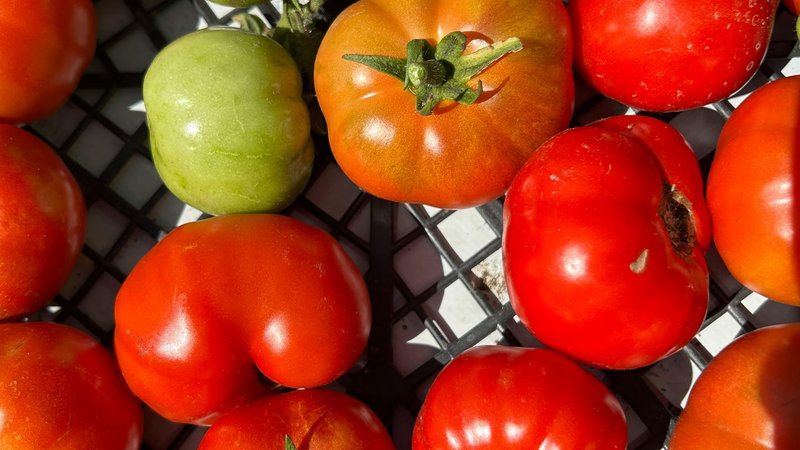
Tomatoes belong to the nightshade family of plants, which contains a group of naturally occurring chemical compounds. These compounds, called solanine and tomatine, are found in much higher concentrations in unripe, green tomatoes than in fully ripe red ones.
Ripe tomatoes have significantly lower levels of these toxins, which is why they are generally tolerated in small quantities. Unripe tomatoes, on the other hand, should always be kept away from dogs entirely.
It is also worth noting that, as with humans, individual dogs can react differently. According to nightshade sensitivities, some individuals — and by extension some pets — may have sensitivities or rare allergic responses to nightshade vegetables even when consumed in ripe form.
Safe Serving Guidelines: Quantity and Preparation Methods
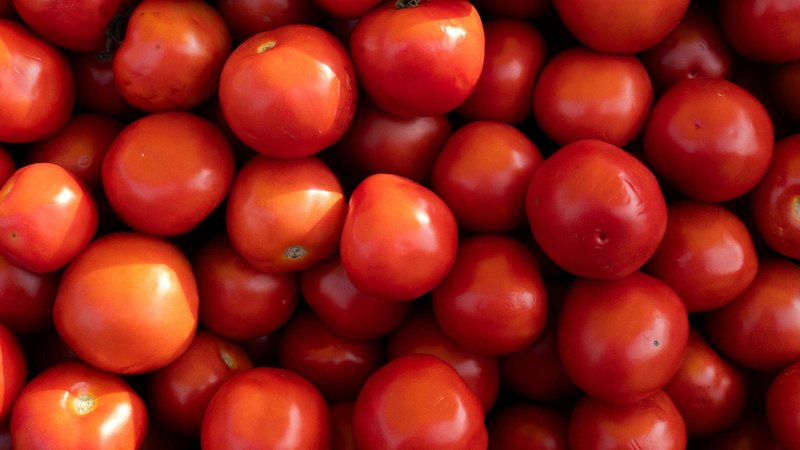
If you choose to offer your dog a tomato treat, keep portions very small. A few small chunks of ripe, red tomato is the appropriate limit for most medium to large dogs.
Always remove the stem, leaves, and any green portions before serving. Wash the tomato thoroughly to remove pesticide residue, and serve it plain without any added salt, oil, or seasoning.
If you enjoy exploring wholesome food options for your dog, chia seeds for dogs are another nutrient-rich snack worth understanding before adding to their diet.
Dangerous Parts of the Tomato Plant to Avoid
The leaves, stems, and unripe fruit of the tomato plant contain the highest concentrations of tomatine and solanine. These are the parts that pose the greatest danger to your dog.
Dogs that roam vegetable gardens are particularly at risk. If you grow tomatoes at home, fence off the plants so your dog cannot chew on the vines or foliage.
Recognizing Tomato Poisoning Symptoms in Dogs
Symptoms of tomato toxicity typically appear within a few hours of ingestion. Watch for gastrointestinal signs such as vomiting, diarrhea, drooling, and loss of appetite.
In more serious cases, dogs may show neurological symptoms including muscle weakness, tremors, loss of coordination, or an abnormal heart rate. If you observe any of these signs, contact your veterinarian immediately.
Why Processed Tomato Products Pose Greater Risks
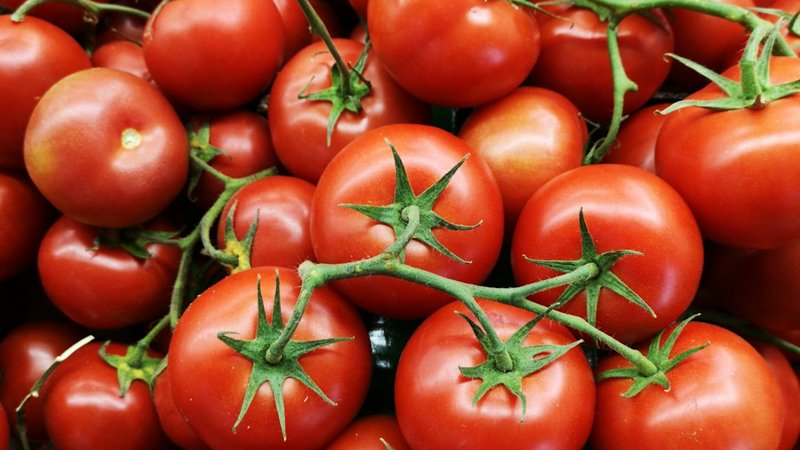
Ketchup, tomato sauce, tomato paste, and canned tomatoes are all off-limits for dogs. These products are typically loaded with added salt, sugar, garlic, onion, and preservatives — all of which are harmful to dogs.
Even products labeled “natural” can contain ingredients that are toxic to pets. The FDA food labeling standards govern how ingredients are listed, but they are designed for human consumers, not animal safety.
Always read ingredient labels carefully and default to whole, fresh, ripe tomato if you decide to offer any tomato-based food at all.
Safer Treat Alternatives to Consider for Your Dog
If you are uncertain about tomatoes, there are plenty of safer snack options available. Blueberries, watermelon (seedless), cucumber, and cooked sweet potato are all well-tolerated by most dogs.
For dogs that enjoy a varied diet, learning how to cook rabbit for dogs is an excellent way to provide a high-protein, species-appropriate meal without the risks associated with plant-based snacks.
Always introduce any new food gradually and in small amounts. When in doubt, a quick call to your vet is the safest step you can take before adding anything new to your dog’s diet.