Can Dogs Eat Trout? Safety Guide for Pet Owners
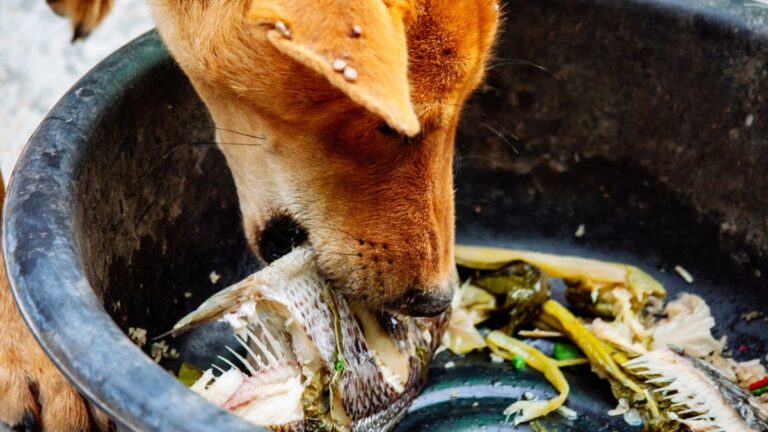
Trout is a nutrient-rich fish enjoyed by millions of people worldwide, but many dog owners wonder whether it’s a safe and healthy choice for their pets. The short answer is yes — dogs can eat trout, but there are important guidelines to follow.
Understanding the benefits and risks will help you make confident, informed decisions about adding this fish to your dog’s diet. Let’s break it all down.
Nutritional Benefits of Trout for Dogs
Trout is an excellent source of high-quality protein, which supports lean muscle development and overall body function in dogs. It’s also rich in omega-3 fatty acids, which promote a healthy coat, reduce inflammation, and support brain health.
Beyond protein and healthy fats, trout delivers a solid range of vitamins and minerals. These include B vitamins, potassium, selenium, and phosphorus — all essential for a dog’s long-term wellbeing.
For dogs with sensitivities to common proteins like chicken or beef, fish can be a welcome alternative. As protein source comparisons for pets show, fish offers unique nutritional advantages that land-based meats simply can’t replicate. Trout is also one of the top choices covered in guides on the best fish for dogs to eat.
Health Risks and Safety Concerns
While trout is generally safe, raw trout carries a serious risk called Salmon Poisoning Disease (SPD). This condition is caused by a parasite called Nanophyetus salmincola, which can carry a potentially fatal bacteria called Neorickettsia helminthoeca.
SPD can be life-threatening if left untreated, so raw trout should never be fed to dogs. Cooking the fish thoroughly eliminates this risk entirely.
Bones are another concern. Trout contains small, fine bones that can splinter and cause choking, internal punctures, or digestive blockages. Always remove all bones carefully before offering any trout to your dog.
Safe Preparation Methods and Best Practices
The safest way to serve trout to your dog is plain and fully cooked. Steaming, baking, or poaching are ideal methods because they preserve nutrients without adding harmful extras.
Never season the fish with garlic, onion, salt, or spices, as these are toxic or harmful to dogs. Avoid cooking with butter or oils, which add unnecessary fat and can upset your dog’s stomach.
Once cooked, flake the fish carefully and check thoroughly for any remaining bones. Serve it as a topper over your dog’s regular food or as an occasional treat. Dogs who enjoy other fish proteins may also appreciate tuna in spring water as a similar lean option.
Farmed vs Wild-Caught Trout: What Pet Owners Should Know
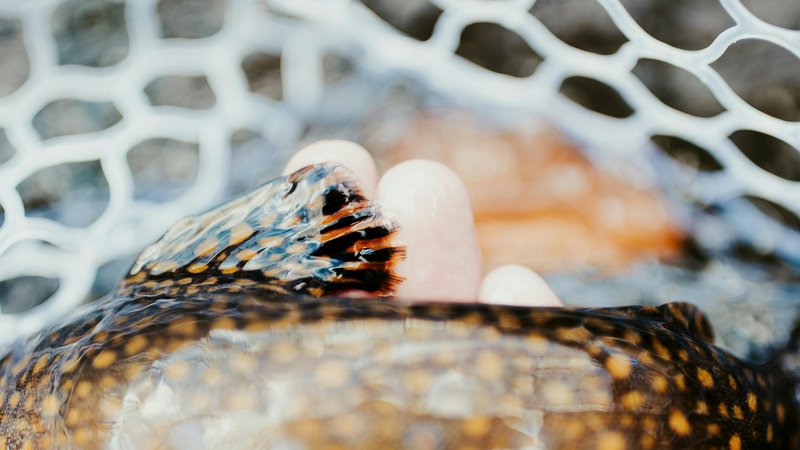
The source of your trout matters more than many owners realize. Wild-caught trout generally has a better nutritional profile and fewer contaminants than farmed varieties.
A study found that PCB levels in farmed fish were ten times higher than in wild-caught fish — though the actual amounts were still well below dangerous thresholds. It’s reassuring, but wild-caught remains the preferred choice when available.
Taste and texture can also differ significantly. As anglers and fishery visitors have noted, the eating qualities of trout vary considerably depending on whether the fish came from a stock pond or a natural environment. For your dog’s diet, quality matters just as much as it does on the dinner plate.
Portion Control and Feeding Guidelines
Trout should be treated as a supplement to your dog’s balanced diet, not a staple. Fish in general should make up no more than 10% of your dog’s total daily caloric intake.
For small dogs, a few small flakes once or twice a week is plenty. Larger breeds can handle slightly more, but moderation is still key to avoiding digestive upset or nutritional imbalances.
Always introduce trout gradually, especially if your dog hasn’t eaten fish before. Watch for signs of allergic reaction such as itching, vomiting, or diarrhea, and consult your veterinarian if any symptoms appear.
When fed correctly, trout is a genuinely wholesome treat that most dogs will love. Stick to cooked, boneless, unseasoned portions, choose wild-caught when possible, and keep servings moderate to give your dog all the benefits with none of the risks.