
17 Dog Friendly Beaches in Spain: Best Spots for Your Canine Companion
Spain is one of Europe’s most welcoming destinations for dog owners, with a growing number of beaches that officially permit dogs year-round or during specific seasons. Whether you’re planning a coastal road trip or a relaxed summer holiday, knowing where to take your four-legged friend makes all the difference.
From the bustling shores of Barcelona to the windswept Atlantic coast of Cádiz, the options are genuinely impressive. This guide covers 17 of the best dog friendly beaches in Spain, along with everything you need to know before you pack the car and head to the coast.
1. Playa de Llevant, Barcelona – Off-Leash Dog Zone with Designated Areas
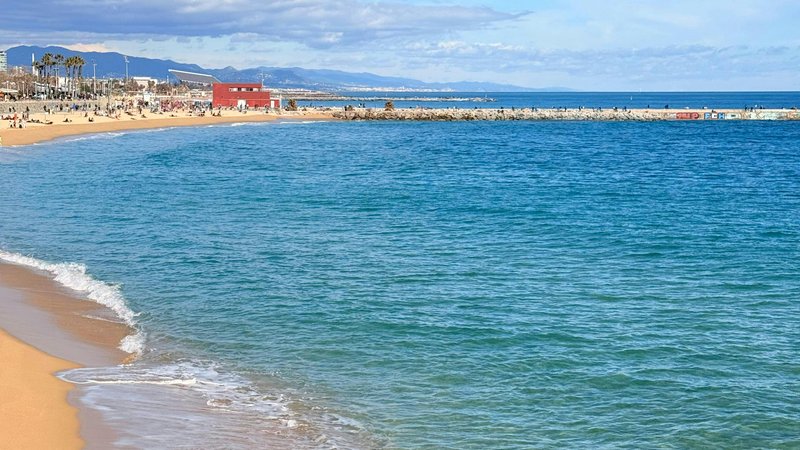
Playa de Llevant is one of the most accessible dog beaches in Spain, located at the northern end of Barcelona’s coastline. It features a clearly marked off-leash zone where dogs can run, swim, and socialise freely.
- Key Specs: Designated off-leash area, waste disposal stations, freshwater rinse points, easy public transport access
- Pros: Central location, well-maintained facilities, great for socialising dogs
- Cons: Can get crowded on weekends, limited parking nearby
2. Playa de la Patacona, Valencia – Sandy Beach with Excellent Dog Facilities
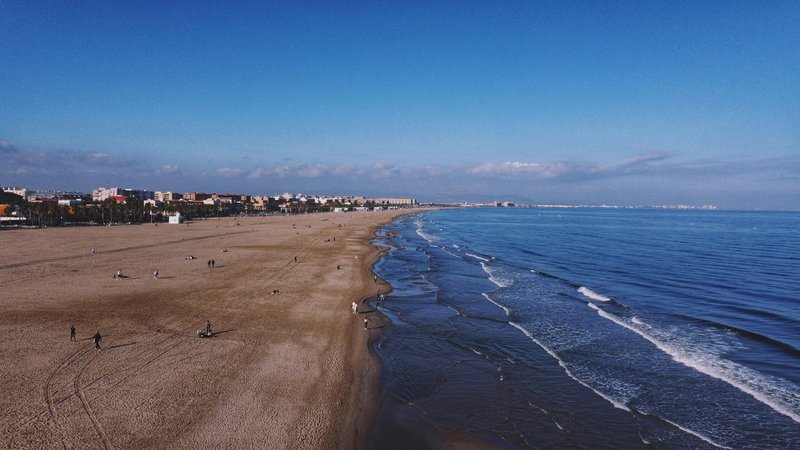
Just north of Valencia’s city centre, Playa de la Patacona offers a wide sandy stretch with solid dog-friendly infrastructure. It’s a popular choice for local dog owners and visiting pet lovers alike.
- Key Specs: Dedicated dog area, waste bins, nearby cafés and restaurants, good parking
- Pros: Spacious beach, excellent facilities, vibrant local atmosphere
- Cons: Peak summer months bring large crowds
3. Playa de Monsul, Almería – Scenic Cove with Calm Waters Ideal for Dogs
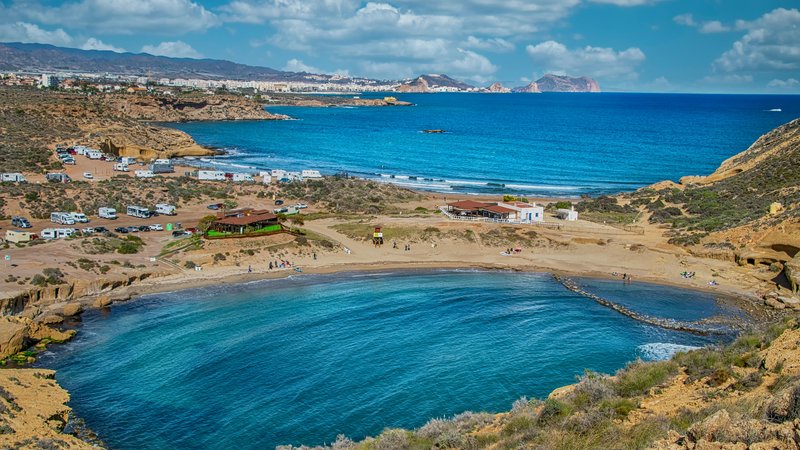
Nestled inside the Cabo de Gata-Níjar Natural Park, Playa de Monsul is a dramatic volcanic cove with crystal-clear, calm waters. Its sheltered position makes it ideal for dogs who enjoy a gentle swim.
- Key Specs: Natural park setting, calm sheltered waters, limited visitor numbers due to park regulations
- Pros: Stunning scenery, quieter than urban beaches, safe swimming conditions
- Cons: Remote location, limited facilities, access road can be rough
4. Playa de Meloneras, Gran Canaria – Year-Round Dog-Friendly with Nearby Amenities
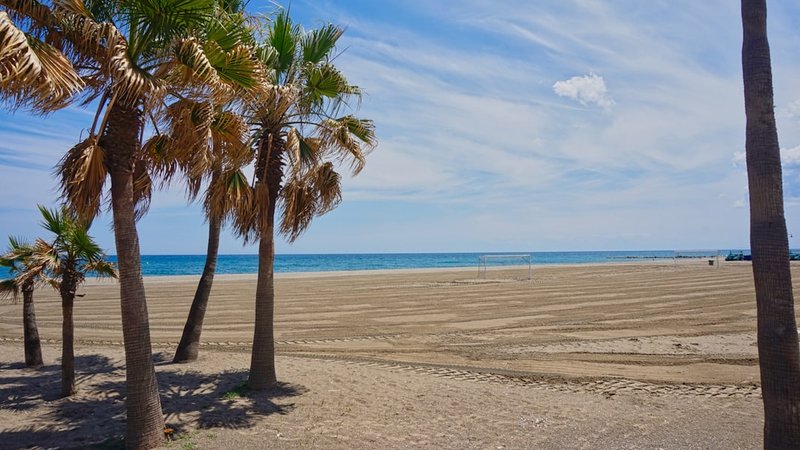
Gran Canaria’s mild climate means Playa de Meloneras is a viable dog beach destination in any month of the year. The promenade nearby is lined with pet-welcoming cafés and shops.
- Key Specs: Year-round access, calm Atlantic waters, promenade with amenities, resort area
- Pros: Consistent warm weather, excellent nearby services, great for winter visits
- Cons: Tourist-heavy area, some sections restrict dogs during peak hours
5. Playa de Matalascañas, Huelva – Spacious Beach with Minimal Crowds
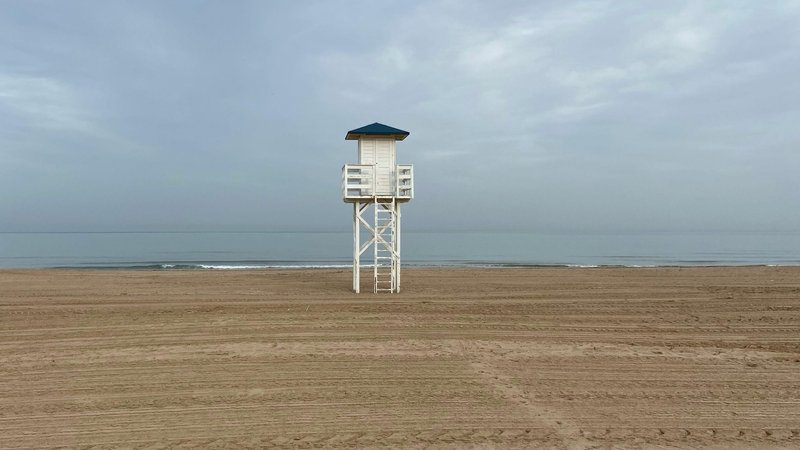
Stretching along the edge of Doñana National Park, Playa de Matalascañas is one of the longest and least crowded dog-friendly beaches in Andalusia. The wide open sands give dogs plenty of room to roam.
- Key Specs: Long sandy shoreline, low crowd density, proximity to Doñana National Park
- Pros: Uncrowded, great for energetic dogs, beautiful natural surroundings
- Cons: Limited facilities in some sections, seasonal service availability
6. Playa de Oliva, Valencia – Long Sandy Stretch with Dedicated Dog Areas

Playa de Oliva is a broad, natural beach south of Valencia with clearly signposted dog zones. It’s less developed than many coastal resorts, giving it a relaxed, unhurried feel that suits both dogs and their owners.
- Key Specs: Dedicated dog zones, long sandy beach, natural dune backdrop, quiet atmosphere
- Pros: Uncrowded, natural setting, clear regulations for dog areas
- Cons: Fewer facilities than urban beaches, limited shade
7. Playa de Zahara de los Atunes, Cádiz – Galician-Style Beach with Dog Zones
This stunning Atlantic beach near Tarifa is known for its wild, unspoiled character and designated dog-friendly sections. The powerful sea breeze keeps temperatures comfortable even in summer.
- Key Specs: Designated dog sections, Atlantic coastline, strong sea breeze, nearby village amenities
- Pros: Beautiful scenery, cooler than Mediterranean beaches, authentic local feel
- Cons: Strong winds can be challenging for small dogs, limited parking in peak season
8. Playa de Nerja, Málaga – Sheltered Beach Suitable for Swimming Dogs
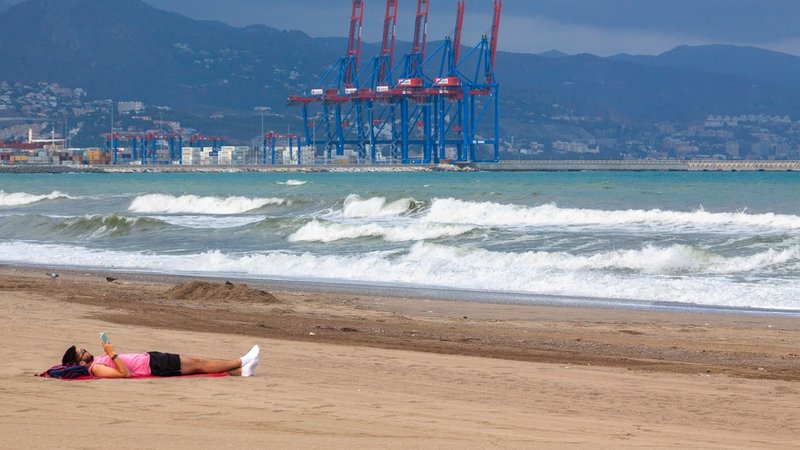
Nerja’s sheltered coves offer calm, clear Mediterranean water that’s perfect for dogs who love to swim. The town itself is famously dog-friendly, with many restaurants and terraces welcoming well-behaved pets.
- Key Specs: Sheltered coves, calm swimming conditions, dog-friendly town centre, good transport links
- Pros: Safe swimming for dogs, charming town, excellent local dining options
- Cons: Beaches can be small and busy in summer, limited off-leash zones
9. Playa de Canyamel, Mallorca – Family-Friendly with Dog Amenities and Parking
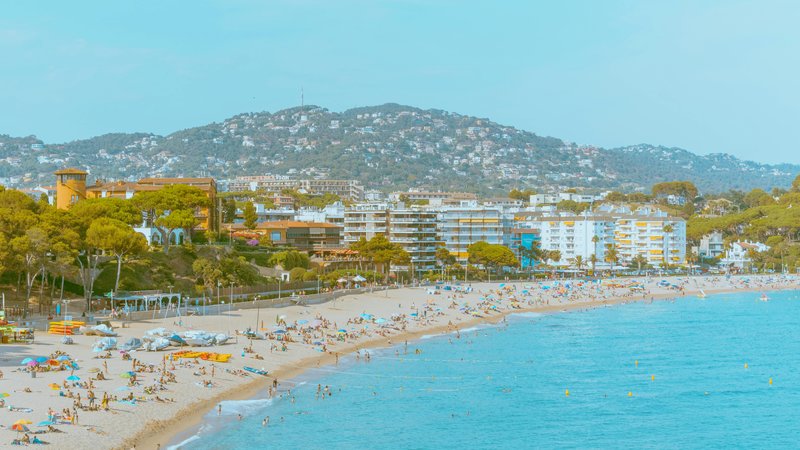
Tucked into the northeast corner of Mallorca, Playa de Canyamel combines pine-backed scenery with practical dog amenities. It’s a favourite for families travelling with dogs who want a quieter Mallorcan experience.
- Key Specs: Dog amenities, good parking, pine forest backdrop, calm shallow waters
- Pros: Scenic and quiet, family-friendly, shaded areas available
- Cons: Can fill up quickly in summer, some restrictions on dog zones apply
10. Playa de Pals, Girona – Catalonian Beach with Leash-Free Sections
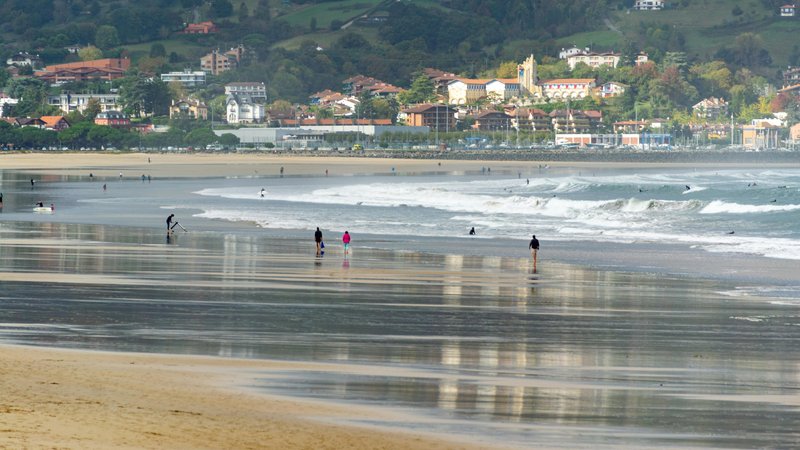
Located on the Costa Brava, Playa de Pals is a wide, pine-fringed beach with officially designated leash-free sections. It’s one of the most organised dog-friendly beaches in Catalonia.
- Key Specs: Leash-free sections, pine forest surroundings, good facilities, nearby medieval village of Pals
- Pros: Well-organised, beautiful natural setting, great cultural day trip options nearby
- Cons: Popular with tourists, can be windy in spring
11. Playa de Torremolinos, Málaga – Urban Dog Beach with Waste Disposal Stations

Torremolinos has invested in proper dog beach infrastructure, including multiple waste disposal stations and water points. It’s one of the most practical urban dog beaches on the Costa del Sol.
- Key Specs: Waste disposal stations, freshwater points, urban location, easy transport access
- Pros: Excellent facilities, convenient location, lively resort atmosphere
- Cons: Busy and noisy, limited natural shade
12. Playa de Guardamar, Alicante – Protected Beach with Freshwater Showers

Guardamar del Segura offers a protected coastal area with freshwater shower points specifically for dogs. The surrounding pine dunes create natural windbreaks and shaded walking paths.
- Key Specs: Freshwater dog showers, pine dune nature reserve, dog-designated zones, good parking
- Pros: Shaded dune walks, clean facilities, quiet compared to larger resorts
- Cons: Dog zones can be restricted during peak summer months
13. Playa de Conil, Cádiz – Calm Waters and Dog-Friendly Restaurants Nearby

Conil de la Frontera is a charming whitewashed town whose beaches are known for calm, shallow waters and a welcoming attitude toward dogs. Several beachside restaurants openly invite four-legged guests.
- Key Specs: Calm shallow waters, dog-welcoming restaurants, designated dog sections, authentic Andalusian town
- Pros: Safe for swimming dogs, great food scene, relaxed local vibe
- Cons: Busy in July and August, some beach sections prohibit dogs in peak season
14. Playa de Mojácar, Almería – Mediterranean Beach with Excellent Accessibility
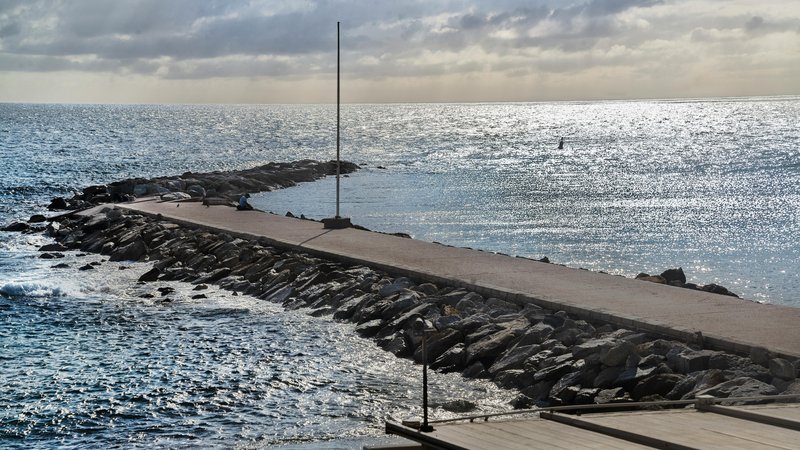
Mojácar Playa stretches for several kilometres along the Almería coast and is well known for its accessibility and dog-tolerant culture. The beach is wide enough that dogs and non-dog visitors coexist comfortably.
- Key Specs: Long accessible beach, wide sandy shoreline, good road access, nearby resort facilities
- Pros: Easy access, spacious, warm Mediterranean climate
- Cons: Some sections have seasonal dog restrictions, limited shade
15. Playa de Benalmádena, Málaga – Resort Area with Dog-Friendly Accommodations
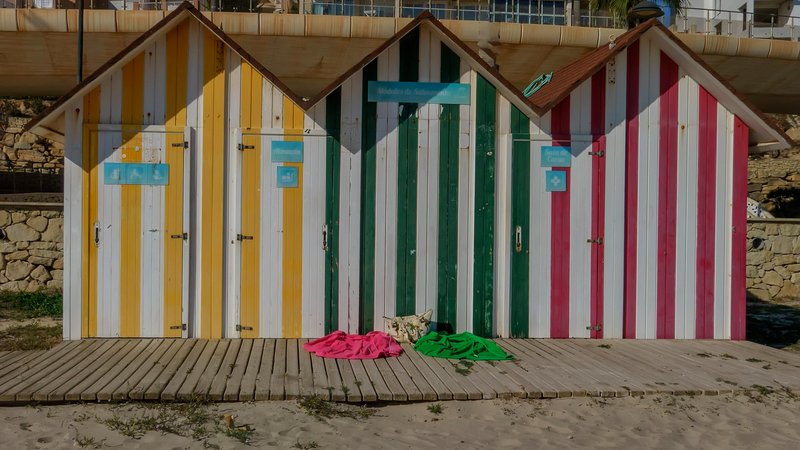
Benalmádena is one of the Costa del Sol’s most developed resort towns, and its dog beach benefits from the full range of nearby amenities. Several hotels and apartments in the area actively cater to guests travelling with pets.
- Key Specs: Dog-friendly accommodation options, resort facilities, designated dog beach area, marina nearby
- Pros: Excellent amenities, great for longer stays, lively entertainment options
- Cons: Very touristy, beach can be crowded, some hotels charge pet fees
16. Playa de Cullera, Valencia – Seasonal Dog Zones with Clear Regulations
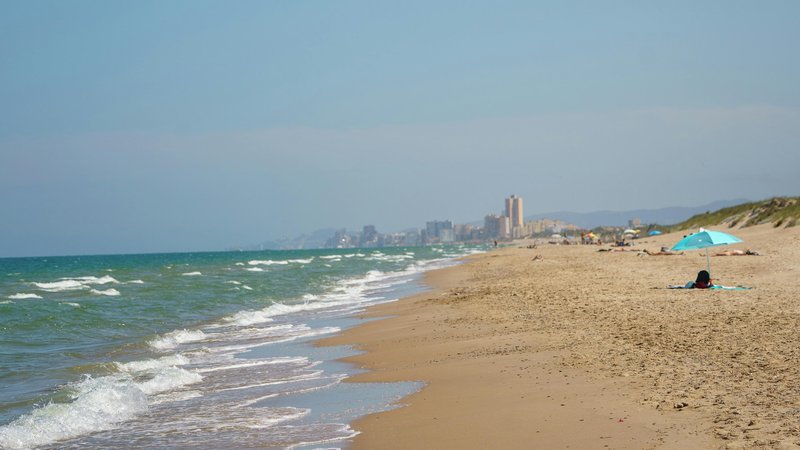
Cullera’s beaches operate a clear seasonal zoning system that makes it easy for dog owners to know exactly where they’re welcome and when. Outside peak summer months, access is considerably more relaxed.
- Key Specs: Seasonal dog zones, clear signage, freshwater lagoon nearby, good local infrastructure
- Pros: Well-regulated, transparent rules, beautiful surrounding landscape
- Cons: Dog access restricted June to September in many sections
17. Playa de Tarifa, Cádiz – Windy Beach Perfect for Active Dogs
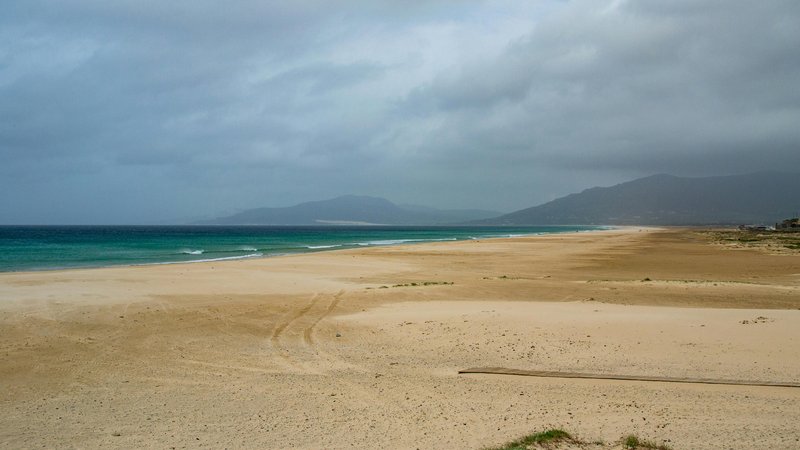
Tarifa sits at the southernmost tip of mainland Europe, where the Atlantic and Mediterranean meet. The near-constant wind makes it a paradise for active dogs who love to run and explore wide open sands.
- Key Specs: Wide open Atlantic beach, strong consistent winds, kite-surfing hub, dog-friendly sections
- Pros: Fantastic for energetic dogs, dramatic scenery, cooler than other Andalusian beaches
- Cons: Wind can be overwhelming for small or nervous dogs, strong currents in some areas
Understanding Spanish Beach Regulations and Seasonal Restrictions
Spain does not have a single national law governing dogs on beaches. Instead, each municipality sets its own rules, which means regulations can vary dramatically from one town to the next.
Most beaches that allow dogs do so either year-round in a designated zone, or outside the main bathing season, typically from October to May. Always check with the local town hall before your visit to confirm current rules.
Common requirements across most Spanish dog beaches include keeping dogs on a lead outside designated off-leash zones, carrying waste bags at all times, and ensuring your dog is microchipped and vaccinated. Non-compliance can result in fines.
Essential Dog Safety Tips for Beach Visits
Beach days are exciting for dogs, but they also carry real risks. Hot sand can burn paw pads, and prolonged sun exposure can lead to heatstroke, especially in flat-faced breeds.
Always bring plenty of fresh water and a portable bowl to keep your dog hydrated. Discourage your dog from drinking seawater, as it can cause stomach upset and dehydration, as noted by Hometown Vet Partners.
If your dog enjoys seafood scraps washed up on shore, it’s worth knowing what’s safe to share. Check out this guide on whether dogs can eat crab meat before your beach trip, and this resource on smoked salmon safety for dogs if you’re snacking near the water.
Always rinse your dog with fresh water after a swim in the sea. Salt and sand left on the coat can cause skin irritation, and residual salt ingested during grooming can upset your dog’s stomach.
Best Times of Year to Visit Dog-Friendly Spanish Beaches
Timing your visit well can make the difference between a stressful day and a genuinely enjoyable one. Spain’s peak tourist season runs from late June through August, when many beaches impose the strictest dog restrictions.
Consider visiting during shoulder seasons when temperatures are milder, crowds are thinner, and beach access for dogs is typically far more generous, as highlighted by Halo Collar. May, June, September, and October are particularly well-suited for dog beach visits across most of Spain.
The Canary Islands, including Gran Canaria and Tenerife, offer a genuine year-round option. Their subtropical climate means comfortable temperatures even in January and February, making them ideal for winter dog beach holidays.
Dog-Friendly Accommodations and Nearby Amenities
Finding the right place to stay is just as important as finding the right beach. Spain has seen a significant rise in pet-friendly rental properties, villas, and hotels in recent years.
Platforms like Rentalia allow you to filter holiday rentals specifically for pet-friendly properties across Spain. For those considering longer stays or property purchases, Idealista lists properties where you can verify pet policies directly with owners.
When booking, always confirm the specific pet policy in writing. Some properties welcome small dogs only, while others have restrictions on breeds or the number of pets allowed per booking.
Water Safety and Swimming Ability Assessment for Your Dog
Not all dogs are natural swimmers, and assuming your dog will take to the sea confidently can be dangerous. Breeds with heavy, muscular builds or short legs can tire quickly in open water.
Introduce your dog to the sea gradually, starting in very shallow water. Watch for signs of panic or exhaustion, and never let your dog swim in areas with strong currents or large breaking waves.
A well-fitted canine life jacket is a worthwhile investment for any dog new to open water swimming. You might also enjoy reading about five signs your dog actually feels safe and comfortable, which can help you gauge how your dog is coping with new environments like a busy beach.
After any swim, check your dog’s ears for excess moisture, which can lead to infections. Dry the ear canal gently and consult your vet if you notice persistent scratching or head shaking after beach visits.