What Life in Nuuk, One of the World’s Smallest Capitals, Is Really Like: “Nature Forces You to Be Humble”
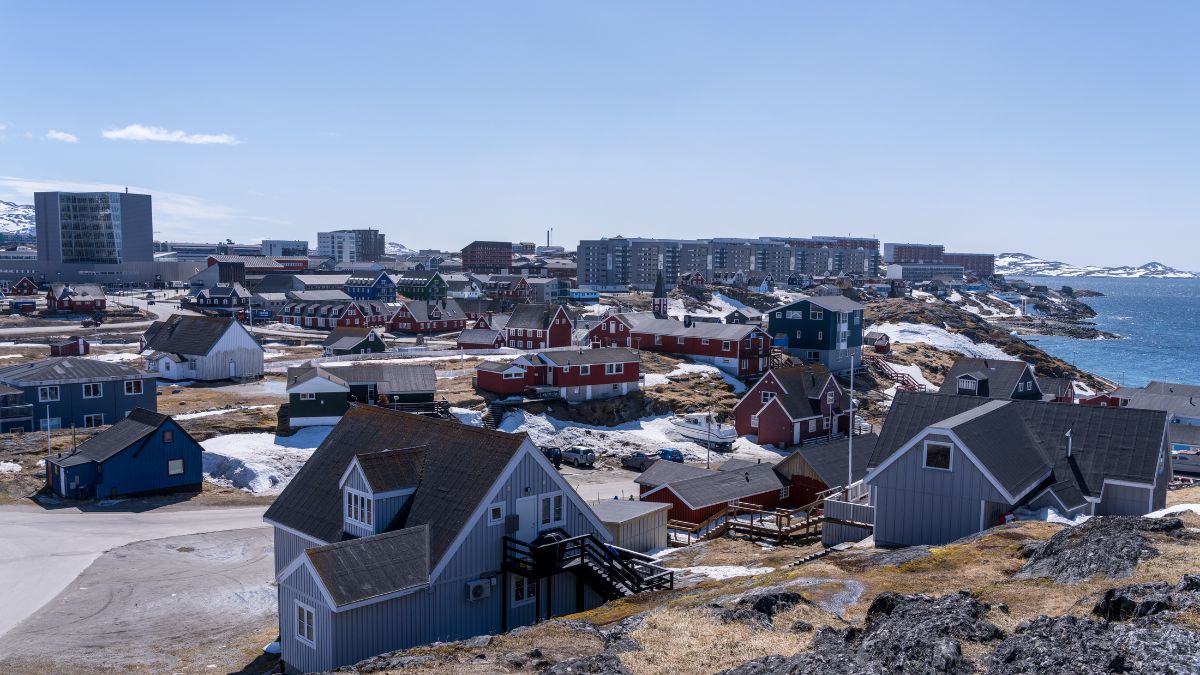
Perched on a rocky peninsula at the gateway to one of the most expansive fjord systems on the planet, Nuuk is a city that constantly defies expectations. As the capital of Greenland, it is home to just over 20,000 people, which accounts for roughly a third of the island’s entire population, making it one of the smallest capital cities anywhere in the world. Yet calling Nuuk a remote Arctic outpost would be doing it a serious disservice. It is a dynamic, layered place where ancient Inuit traditions and modern Nordic influences have merged into something genuinely unique.
Walking through the city reveals a fascinating split personality. The old Colonial Harbor district is lined with brightly painted wooden houses, the Church of Our Savior dating back to 1849, and the oldest building in all of Greenland. The city was founded in 1728 by Hans Egede, a Danish-Norwegian missionary, who named it Godthåb, meaning “Good Hope.” His statue still watches over the city from a nearby hill, though it has also become a focal point for ongoing conversations about colonial history and the push for decolonization.
A few minutes’ walk away, the scenery shifts entirely. Modern glass and steel apartment buildings share the skyline with Katuaq, a striking cultural center whose wavy wooden facade was inspired by the northern lights. The first shopping mall in Greenland opened here in 2012. Around 90 percent of residents are of Inuit heritage, yet Danish influence remains deeply woven into daily life, with both Greenlandic (Kalaallisut) and Danish serving as official languages.
Nuuk has been growing steadily for decades, with its population more than doubling since the 1970s as people arrived from smaller Greenlandic settlements and from Denmark in search of better opportunities. A major turning point came in November 2024 when a brand-new international airport opened, replacing the old American military base at Kangerlussuaq as the main hub for international travel. Direct flights now connect Nuuk to Copenhagen and parts of North America. Despite this, the city remains physically isolated from the rest of Greenland, and getting around the island still means flying, taking a helicopter, or boarding a boat.
The economy here is deeply tied to the sea, with fishing and seafood processing, particularly shrimp and cod, forming the backbone of exports. Nearly half of Greenland’s entire fishing fleet is based in the city’s harbor, and Royal Greenland, one of the world’s largest seafood processors, has its headquarters right here. Annual subsidies from Denmark still cover roughly half of the public budget, though mineral resources like gold and zinc, along with a growing tourism industry, are increasingly seen as the path forward.
Healthcare and education in Nuuk are both free, part of an arrangement with Denmark that gives residents a relatively high social standard. The University of Greenland, known as Ilisimatusarfik, is the only university on the entire island. That said, the cost of living is steep, especially for imported food, and many families still supplement their groceries through traditional hunting and fishing.
Nature is never far away here and truly shapes how people live. The towering mountain Sermitsiaq, rising nearly 3,970 feet above the city, has become its unofficial symbol. Winters are long and harsh, with temperatures regularly dipping below 14 degrees Fahrenheit and barely four hours of daylight at the darkest point of the year, while summers bring 24-hour sunlight perfect for hiking, kayaking, and whale watching in the fjords.
Daily life in Nuuk is full of little surprises that catch newcomers off guard. Rush hour lasts roughly 15 minutes. Babies are routinely left bundled up in strollers outside shops, a reflection of the community’s deep sense of trust and safety. The city even runs an open prison, where inmates work and visit family during the day before returning at night. As locals often say, “Nature forces you to be humble,” and that phrase captures something essential about this place. Nuuk is a city building its future while staying rooted in a past stretching back thousands of years, and if that story resonates with you, share your thoughts in the comments.