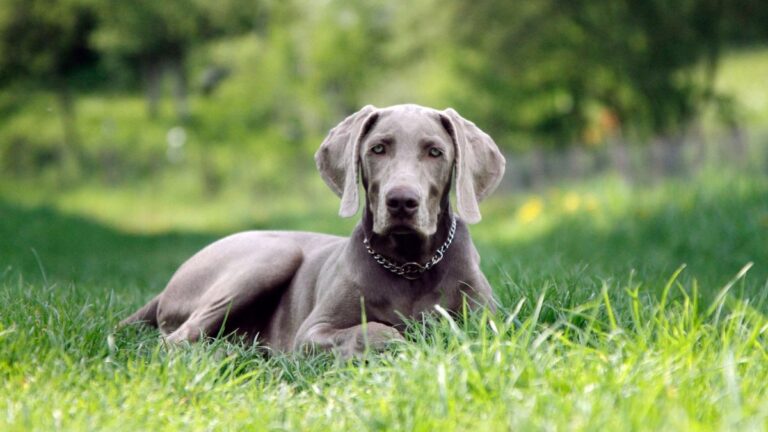
17 Best Dog Breeds for Night Shift Workers
Working nights means your entire routine runs in reverse — and finding a dog that fits that lifestyle takes more thought than most people realize. The good news is that certain breeds are naturally wired for calm, flexible schedules that align beautifully with a nocturnal owner.
According to research on canine circadian rhythms, a dog living with someone who works night shifts can gradually shift toward nocturnal activity patterns. This adaptability makes the breeds below especially well-suited to your world.
Whether you live in an apartment or a house, prefer a lap dog or a gentle giant, this list covers the 17 breeds that consistently thrive alongside night shift workers. Keep reading to find your perfect match.
Understanding Canine Circadian Rhythms and Night Shift Schedules
Dogs are not strictly diurnal — they are highly flexible sleepers who naturally nap throughout the day and night. This means they can adapt to almost any human schedule with the right guidance and consistency.
The canine circadian system responds strongly to social cues from their owners. When you are awake and active at night, your dog notices — and over time, begins to mirror your patterns. Learn more about five signs your dog actually feels safe and comfortable at home as they settle into your routine.
Low-Energy Breeds That Thrive With Nocturnal Owners
Low-energy breeds are the cornerstone of a peaceful night shift lifestyle. These dogs are content with moderate daily exercise and are perfectly happy lounging while you sleep during the day.
Breeds like Bulldogs, Basset Hounds, and Pugs were practically built for couch companionship. They won’t demand a 6 a.m. run while you’re trying to wind down after a long shift.
Sleep Patterns in Small and Teacup Breeds for Night Shift Living
Small breeds are surprisingly excellent companions for night shift workers. According to data on dog sleep hours, teacup and small breeds sleep between 14 and 16 hours per day — meaning they’re naturally resting for most of your daytime sleep window.
Chihuahuas, Pomeranians, and Maltese all fall into this category. Their high metabolisms lead to energetic bursts followed by long naps, which lines up perfectly with a reversed schedule.
Managing Separation Anxiety During Daytime Hours
Even the most independent breeds can struggle if left alone for long stretches without preparation. Crate training, puzzle toys, and calming music are all proven tools for reducing daytime anxiety.
Choosing a breed with a naturally lower anxiety baseline — like a Greyhound or Shar Pei — dramatically reduces the risk of destructive behavior while you sleep. You might also want to review five types of dog toys that vets say you should never buy before stocking up on enrichment tools.
Creating an Enriched Environment for Dogs Home Alone
A dog left alone during the day needs mental stimulation to stay calm and content. Snuffle mats, Kongs filled with frozen food, and window perches for small breeds all make a significant difference.
Rotating toys weekly keeps things fresh and prevents boredom. Even low-energy breeds benefit from having something to engage with during quiet hours.
Veterinary Care and Health Considerations for Night Shift Dog Owners
Night shift workers often struggle to schedule vet appointments during standard business hours. Many clinics now offer early morning or weekend slots — always ask about these when registering a new patient.
Brachycephalic breeds like Pugs, French Bulldogs, and Bulldogs require more frequent vet check-ins due to their respiratory quirks. Factor this into your schedule planning before choosing one of these lovable breeds. For tips on safe nutrition, check out this guide on what dogs can safely eat.
Cost-Effective Solutions: Dog Walkers and Daytime Care Services
A midday dog walker is one of the smartest investments a night shift worker can make. Apps like Rover and Wag make it easy to find vetted walkers in your neighborhood at competitive rates.
Doggy daycare is another option for higher-energy breeds that need more stimulation. For lower-energy breeds on this list, a single midday walk is usually more than enough to keep them happy.
Training Strategies for Dogs Adjusting to Reverse Sleep Schedules
Consistency is the single most important factor when training a dog to adapt to a night shift schedule. Feeding, walking, and playtime should happen at the same times each day — even if those times are unconventional.
Positive reinforcement works best for schedule transitions. Reward calm behavior during your sleep hours and your dog will quickly learn that daytime is quiet time.
Mental Health Benefits of Dog Companionship for Night Shift Workers
Night shift work is linked to elevated stress and social isolation. Having a dog waiting for you when you return home provides a powerful emotional anchor that many workers say is irreplaceable.
The bond between a dog and a night shift owner can be especially deep because of the quiet, unhurried hours they share together. Stories like this Labrador stepping up to parent a human baby show just how emotionally attuned dogs truly are.
Apartment-Friendly Breeds That Don’t Bark Excessively
Living in an apartment adds another layer of consideration — your neighbors are sleeping when you’re awake, and vice versa. Quiet, low-bark breeds are essential for maintaining harmony in shared buildings.
Breeds like Whippets, Basenjis, and Cavalier King Charles Spaniels are well known for their quiet nature. Pairing a quiet breed with proper training makes apartment night shift life genuinely comfortable.
1. Basset Hound

The Basset Hound is one of the most laid-back breeds in existence. They sleep heavily between activity bursts and are perfectly content to snooze the day away while you recover from your shift.
- Key Specs: Medium-large breed, 40–65 lbs, lifespan 10–12 years
- Pros: Extremely low energy indoors, gentle temperament, rarely destructive when alone
- Cons: Can be stubborn to train, prone to howling if bored or anxious
2. Chihuahua

Chihuahuas are fiercely loyal and surprisingly adaptable to unconventional schedules. Their small size and high daily sleep needs make them ideal for night shift households.
- Key Specs: Tiny breed, under 6 lbs, lifespan 14–16 years
- Pros: Sleeps up to 16 hours daily, bonds deeply with one person, minimal exercise needs
- Cons: Can be yappy if undertrained, may develop separation anxiety without proper conditioning
3. French Bulldog

French Bulldogs are calm, affectionate, and built for indoor living. They require minimal exercise and are perfectly happy with short walks and long cuddle sessions — a great match for tired night shift workers.
- Key Specs: Small-medium breed, 20–28 lbs, lifespan 10–12 years
- Pros: Quiet, low-energy, apartment-friendly, deeply affectionate
- Cons: Brachycephalic health concerns, can be costly at the vet
4. Greyhound

Despite their racing reputation, Greyhounds are famously lazy at home. They are known as “45 mph couch potatoes” and spend most of their day sleeping — making them surprisingly perfect for night shift owners.
- Key Specs: Large breed, 60–70 lbs, lifespan 10–13 years
- Pros: Very low indoor energy, quiet, low separation anxiety, gentle with adults
- Cons: Needs a securely fenced yard for sprint sessions, sensitive to cold weather
5. Maltese

The Maltese is a gentle, affectionate toy breed that thrives on human companionship. As noted in sleep data for small breeds, tiny dogs like the Maltese sleep up to 16 hours per day, naturally aligning with a night worker’s daytime rest.
- Key Specs: Toy breed, under 7 lbs, lifespan 12–15 years
- Pros: Extremely calm indoors, hypoallergenic coat, very quiet
- Cons: Requires regular grooming, can be prone to separation anxiety
6. Whippet

Whippets share much of the Greyhound’s calm indoor temperament in a smaller, more apartment-friendly package. They are notably quiet dogs that rarely bark, which is a huge advantage for apartment-dwelling night shift workers.
- Key Specs: Medium breed, 25–40 lbs, lifespan 12–15 years
- Pros: Low-bark, calm indoors, affectionate, easy to groom
- Cons: High prey drive, needs daily off-leash sprinting in a safe space
7. Shar Pei
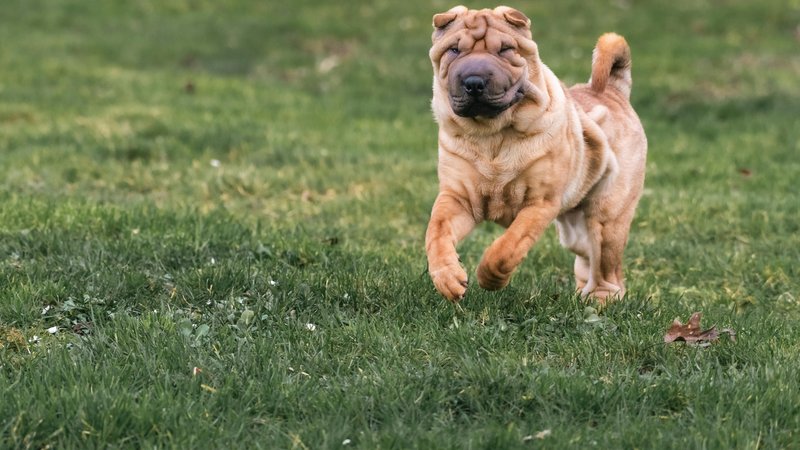
The Shar Pei is an independent, calm breed that doesn’t demand constant attention. Their naturally aloof temperament means they handle alone time during your sleep hours with far less stress than more clingy breeds.
- Key Specs: Medium breed, 45–60 lbs, lifespan 8–12 years
- Pros: Independent, low separation anxiety, moderate exercise needs
- Cons: Stubborn streak, prone to skin fold health issues requiring regular vet care
8. Shih Tzu

Shih Tzus were bred specifically to be companion dogs, and it shows. They are calm, adaptable, and thrive on being close to their person — whenever that person happens to be awake.
- Key Specs: Toy breed, 9–16 lbs, lifespan 10–18 years
- Pros: Highly adaptable schedule, quiet indoors, great for apartments
- Cons: Requires daily coat maintenance, can be stubborn during training
9. Pug

Pugs are cheerful, low-energy dogs that love nothing more than curling up with their owner. They adapt well to irregular schedules and are happy to sleep whenever you need them to — which is often.
- Key Specs: Small breed, 14–18 lbs, lifespan 12–15 years
- Pros: Highly affectionate, low exercise needs, great with all household members
- Cons: Brachycephalic breathing issues, prone to obesity without portion control
10. Cavalier King Charles Spaniel
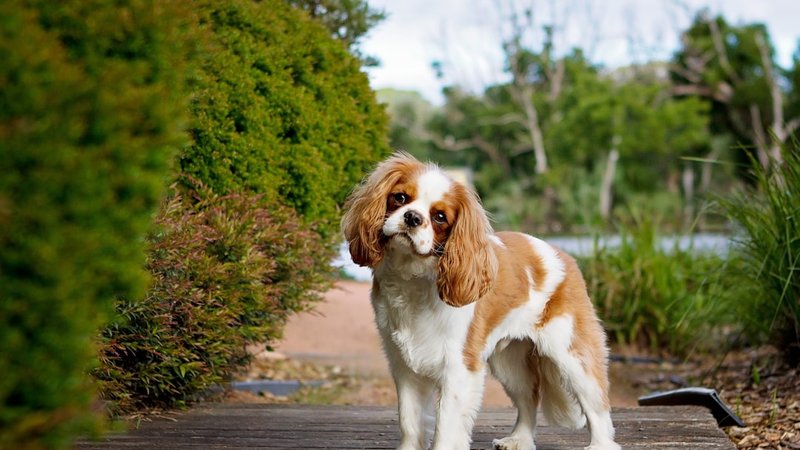
The Cavalier is one of the most gentle and adaptable breeds available. They are naturally quiet and calm, making them ideal for apartment living and households where daytime silence is essential. You can explore more about caring for gentle breeds at ThePets.
- Key Specs: Small breed, 12–18 lbs, lifespan 9–14 years
- Pros: Quiet, affectionate, low-maintenance exercise needs, great with families
- Cons: Prone to heart conditions, can develop separation anxiety if undertrained
11. Boston Terrier
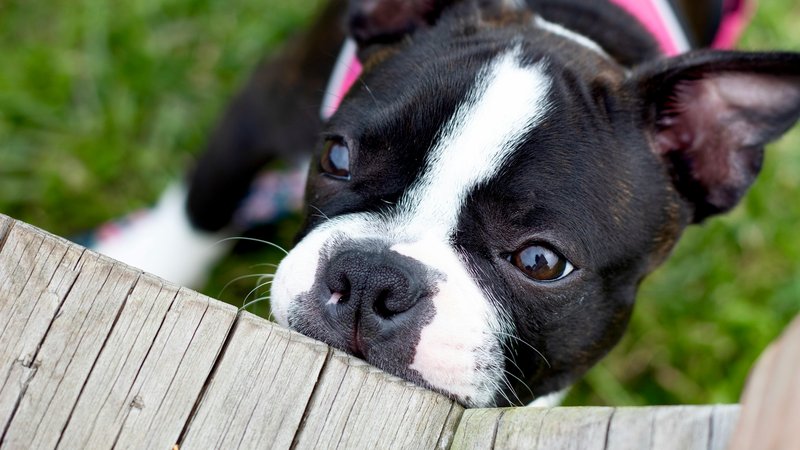
Boston Terriers are compact, friendly, and surprisingly low-maintenance. They are intelligent and quick to adapt to new routines, which makes the transition to a night shift schedule smoother than with many other breeds.
- Key Specs: Small breed, 12–25 lbs, lifespan 11–13 years
- Pros: Apartment-friendly, low shedding, trainable, moderate energy
- Cons: Brachycephalic concerns, can be gassy — a minor but notable quirk
12. Pomeranian

Pomeranians pack a big personality into a tiny, fluffy body. Like other small breeds, their daily sleep needs are high, and they are perfectly content napping in a cozy spot while you rest after a night shift.
- Key Specs: Toy breed, 3–7 lbs, lifespan 12–16 years
- Pros: Sleeps frequently, bonds closely with owner, alert but not destructive
- Cons: Can be vocal if undertrained, requires regular brushing
13. Dachshund

Dachshunds are curious, playful dogs that also have a strong love of burrowing and napping. They are highly adaptable to their owner’s lifestyle and tend to mirror the energy level of the household they live in.
- Key Specs: Small breed, 8–32 lbs (standard or miniature), lifespan 12–16 years
- Pros: Adaptable, loves lounging, moderate exercise needs met with short walks
- Cons: Prone to back problems (IVDD), can be stubborn and vocal
14. Bulldog

The Bulldog is practically the mascot of low-energy dog ownership. They are content to sleep for the majority of the day and require only short, gentle walks — perfect for someone who needs to rest during daylight hours.
- Key Specs: Medium breed, 40–50 lbs, lifespan 8–10 years
- Pros: Extremely low energy, calm, loyal, rarely destructive indoors
- Cons: Significant health costs due to brachycephalic issues, snores loudly
15. Cocker Spaniel
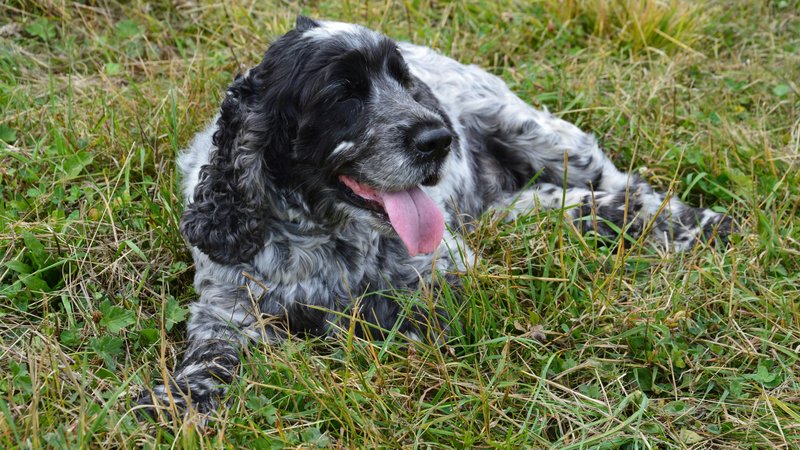
Cocker Spaniels are gentle, even-tempered dogs that thrive on routine and affection. They adapt well to owner-led schedules and are content with moderate daily exercise paired with plenty of indoor downtime.
- Key Specs: Medium breed, 20–30 lbs, lifespan 10–14 years
- Pros: Gentle, schedule-flexible, quiet indoors, great with families
- Cons: Requires regular ear cleaning and grooming, can be emotionally sensitive
16. Bichon Frise

The Bichon Frise is a cheerful, hypoallergenic breed that is wonderfully calm indoors. They are low-shedding and quiet, making them one of the most practical choices for night shift workers in shared living spaces.
- Key Specs: Small breed, 12–18 lbs, lifespan 14–15 years
- Pros: Hypoallergenic, quiet, apartment-friendly, adaptable temperament
- Cons: Requires professional grooming every 4–6 weeks, can develop separation anxiety
17. Pekingese

The Pekingese was bred for centuries as a royal lap dog, and that heritage shows in their calm, dignified demeanor. They are independent enough to rest comfortably alone while you sleep, yet deeply devoted when you’re awake and present.
- Key Specs: Toy breed, 7–14 lbs, lifespan 12–14 years
- Pros: Independent, calm, low exercise needs, adapts easily to quiet households
- Cons: Can be stubborn, requires regular coat maintenance, brachycephalic concerns
Choosing the right dog is one of the most rewarding decisions a night shift worker can make. The breeds above all share a common thread: they are adaptable, calm, and capable of forming deep bonds on any schedule. As canine circadian research confirms, dogs can and do shift their rhythms to match yours — so with the right breed and a little consistency, your reversed routine becomes a shared one.
Whatever breed you choose, remember that nutrition plays a key role in keeping your dog healthy and happy. Resources like this guide on the best fish for dogs to eat are a great starting point for building a balanced diet alongside your new nighttime companion.