15 Best Cat Breeds for First Time Owners
Bringing home your first cat is one of the most rewarding decisions you can make. The right breed can make the transition from pet-curious to confident cat parent surprisingly smooth.
Not every cat suits every lifestyle, though. Temperament, grooming needs, and energy levels vary enormously across breeds, and choosing wisely from the start sets you and your new companion up for a lifetime of happiness.
This guide covers the 15 most beginner-friendly breeds available today, along with everything you need to know about costs, allergy considerations, and early training habits.
Cost Comparison: Initial Purchase vs. Lifetime Care Expenses
Before selecting a breed, understanding the full financial picture is essential. Kitten purchase prices typically range from $400 to $2,500 depending on breed, breeder reputation, and location.
Lifetime care costs, including food, veterinary visits, grooming, and enrichment, can reach well into the tens of thousands over a cat’s 12–18 year lifespan. For context, even dogs carry enormous long-term expenses — lifetime care costs for a German Shepherd alone can reach $47,000–$99,000, illustrating how seriously pet ownership should be budgeted.
Cats are generally more affordable than dogs to maintain, but annual vet bills, dental cleanings, and unexpected emergencies add up quickly. Budget at least $800–$1,500 per year for routine care.
Hypoallergenic Options for First-Time Owners With Allergies
Allergies are a top concern for many new cat owners. Fortunately, several breeds produce fewer allergens than average, making them more manageable for sensitive individuals.
It is important to understand that no cat is 100% hypoallergenic — all cats produce allergens in their fur, saliva, dander, and urine. Some breeds simply produce lower levels of the Fel d 1 protein or shed less, which reduces symptoms for many allergy sufferers.
Breeds like the Sphynx, Russian Blue, and Cornish Rex are popular choices for allergy-prone owners. Spending time with a specific cat before adoption is always the smartest first step.
Behavioral Training Tips and Socialization for Beginner Cat Parents
Cats may be independent, but early socialization and consistent boundaries make a significant difference in behavior. Gentle, repeated corrections during kittenhood prevent unwanted habits from becoming permanent.
For example, to discourage jumping on counters or guests, withhold attention until the behavior stops, then offer calm acknowledgment — a technique that mirrors beginner training tips proven effective across species. Consistency is everything. If you are also considering a dog companion, exploring calm dog breeds for first time owners can help you find a pet that matches your household energy.
1. British Shorthair
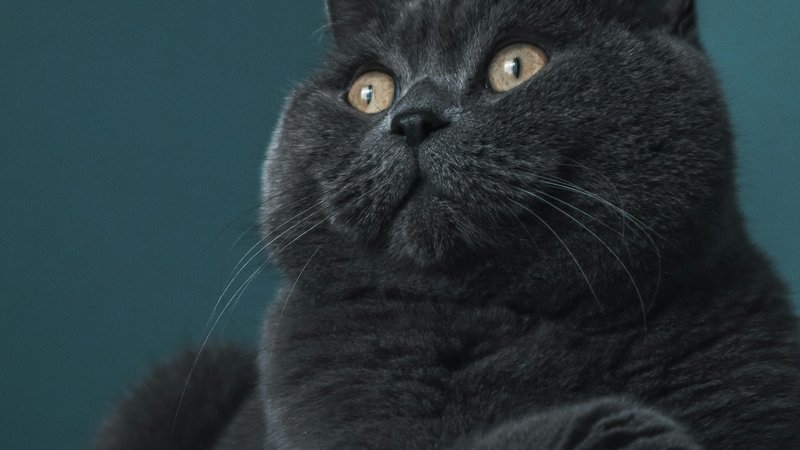
The British Shorthair is the quintessential beginner cat — calm, adaptable, and affectionate without being clingy. Their easygoing temperament makes them ideal for quieter households and busy professionals alike.
- Key Detail: Lifespan of 12–17 years with minimal grooming needs despite a dense plush coat
- Important Note: Prone to obesity, so portion-controlled feeding and interactive play are essential
2. Maine Coon
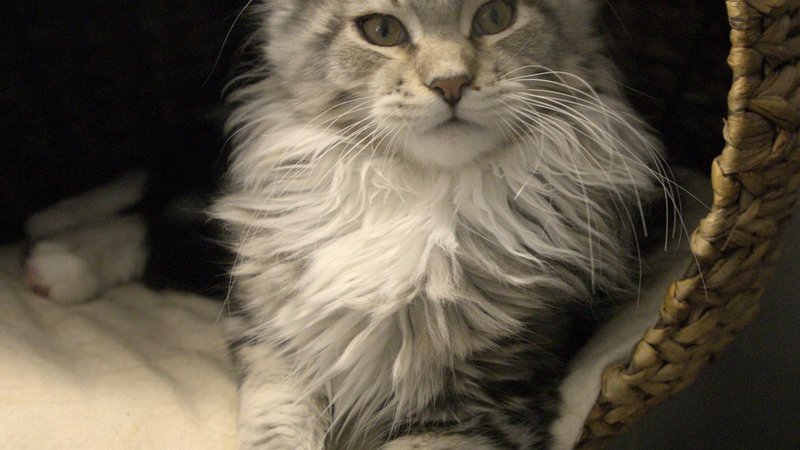
Maine Coons are large, sociable cats often described as “dog-like” for their loyalty and playful nature. They adapt well to families, children, and even other pets.
- Key Detail: One of the largest domestic breeds, males can weigh up to 18 pounds
- Important Note: Weekly brushing prevents matting in their long, silky coats
3. Ragdoll
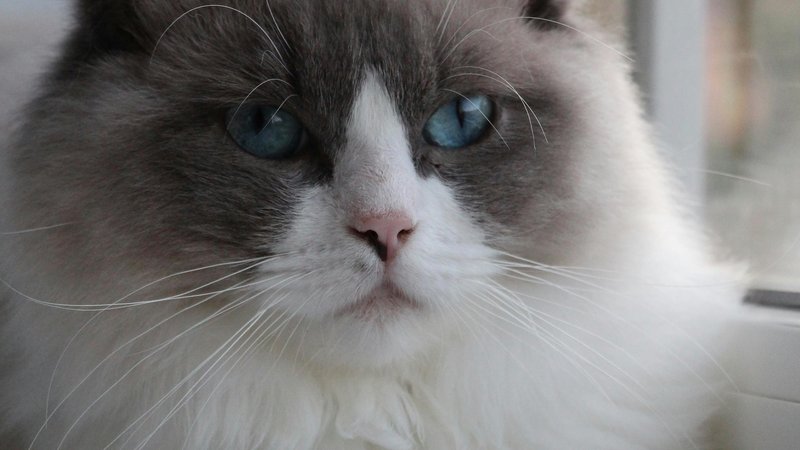
Ragdolls earned their name by going limp with contentment when picked up — a trait that makes them extraordinarily gentle and manageable for new owners. They thrive on human companionship.
- Key Detail: Blue-eyed, semi-longhaired breed known for exceptionally low aggression levels
- Important Note: Should be kept indoors; their trusting nature makes them vulnerable outdoors
4. Scottish Fold
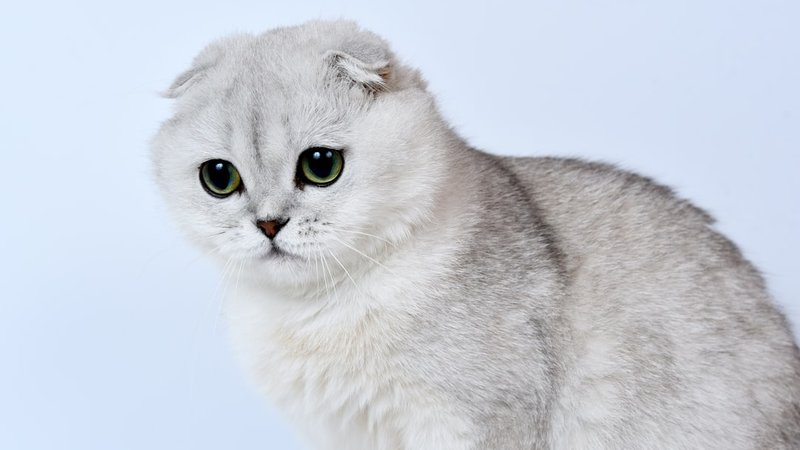
The Scottish Fold’s distinctive folded ears and round, owl-like face make it one of the most recognizable breeds worldwide. They are gentle, quiet, and bond deeply with their families.
- Key Detail: The fold mutation can cause joint issues; regular vet checkups are critical
- Important Note: Choose breeders who health-test to reduce the risk of osteochondrodysplasia
5. Sphynx
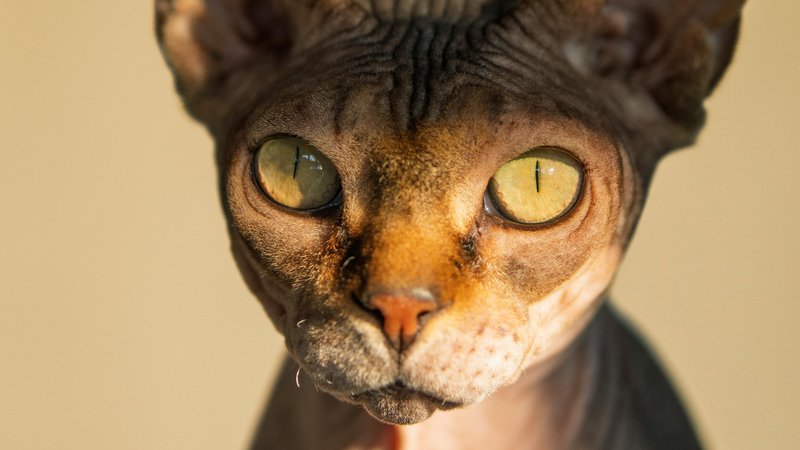
The hairless Sphynx is warm, extroverted, and deeply people-oriented. Despite their unusual appearance, they are among the most affectionate and interactive cats available to first-time owners.
- Key Detail: Lower shedding makes them a popular choice for those with mild cat allergies
- Important Note: Skin requires weekly wiping to remove oil buildup — no fur means no absorption
6. Russian Blue
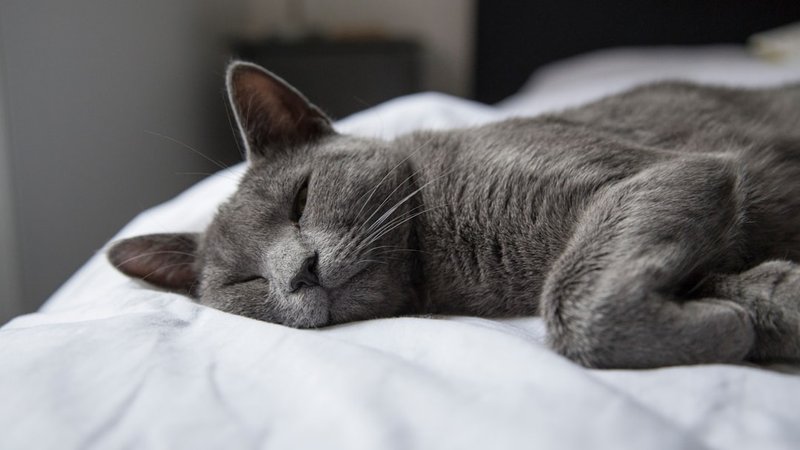
Russian Blues are elegant, reserved cats that form strong bonds with their chosen people. Their naturally lower Fel d 1 protein production makes them one of the most recommended breeds for allergy sufferers.
- Key Detail: Dense double coat sheds minimally, reducing airborne allergen spread
- Important Note: Can be shy with strangers; early socialization builds lasting confidence
7. Birman
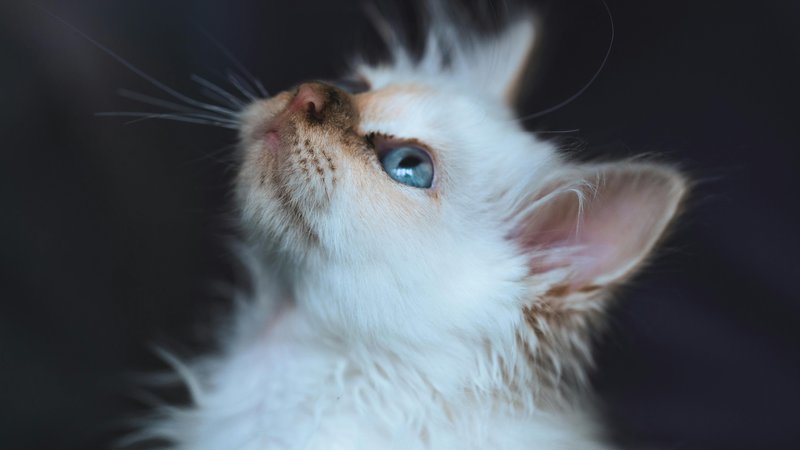
Birmans are silky-coated, blue-eyed beauties with a famously gentle and curious temperament. They are social without being demanding, striking a perfect balance for new cat owners.
- Key Detail: Semi-longhaired coat is surprisingly tangle-resistant compared to similar breeds
- Important Note: Birmans dislike being left alone for long periods; a second pet helps
8. Cornish Rex
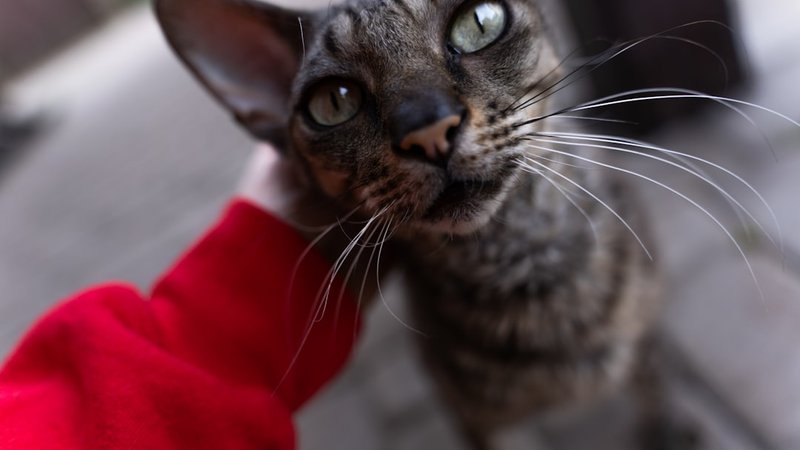
The Cornish Rex is a playful, kitten-like breed that retains its energetic personality well into adulthood. Their short, wavy coat sheds very little, making them a practical choice for tidy households.
- Key Detail: Highly intelligent and trainable; enjoys learning tricks and interactive games
- Important Note: Sensitive to cold due to minimal coat — keep indoor temperatures comfortable
9. Burmese

Burmese cats are affectionate, social, and almost dog-like in their desire to follow their owners around the home. They are vocal but not excessively so, making them great apartment companions.
- Key Detail: Short, satin-like coat requires almost no grooming maintenance
- Important Note: Thrives with daily interaction; not suited to long periods of solitude
10. Tonkinese
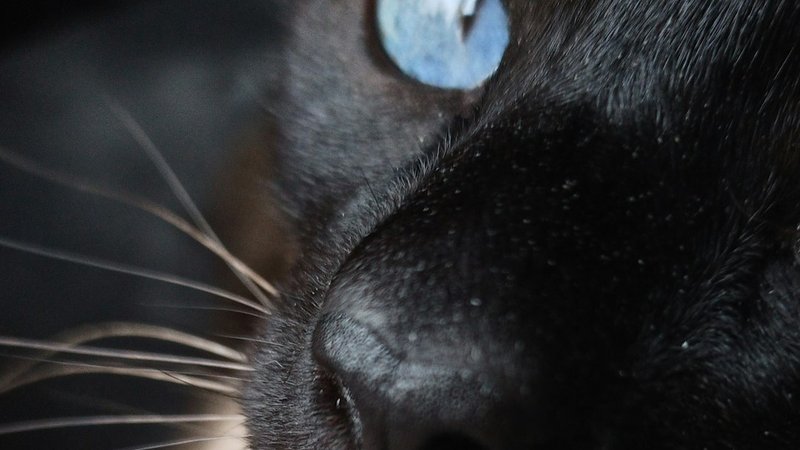
A hybrid of Burmese and Siamese, the Tonkinese combines the best qualities of both — playful, affectionate, and communicative without the Siamese’s intense vocal demands.
- Key Detail: Medium-sized breed with aqua-colored eyes and a short, mink-like coat
- Important Note: Excellent with children and other pets; adapts quickly to new environments
11. Abyssinian
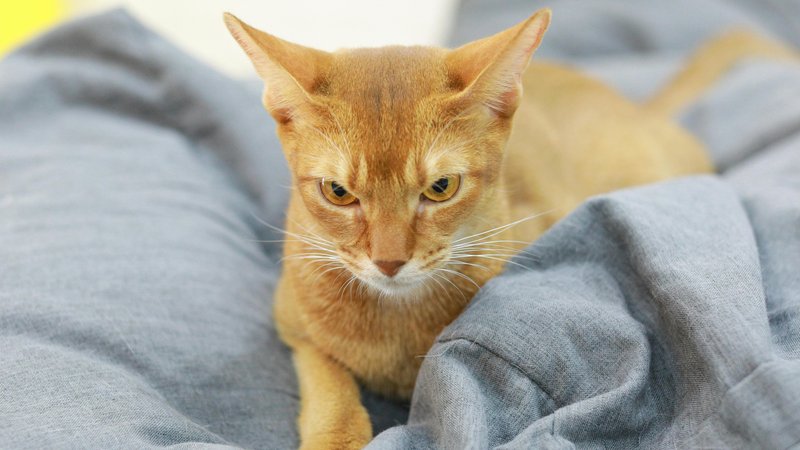
Abyssinians are athletic, curious, and endlessly entertaining. They love to explore every corner of their environment and reward engaged owners with remarkable personality and loyalty.
- Key Detail: One of the oldest known domestic cat breeds with a distinctive ticked coat pattern
- Important Note: Needs plenty of vertical space and enrichment to stay mentally stimulated
12. Devon Rex
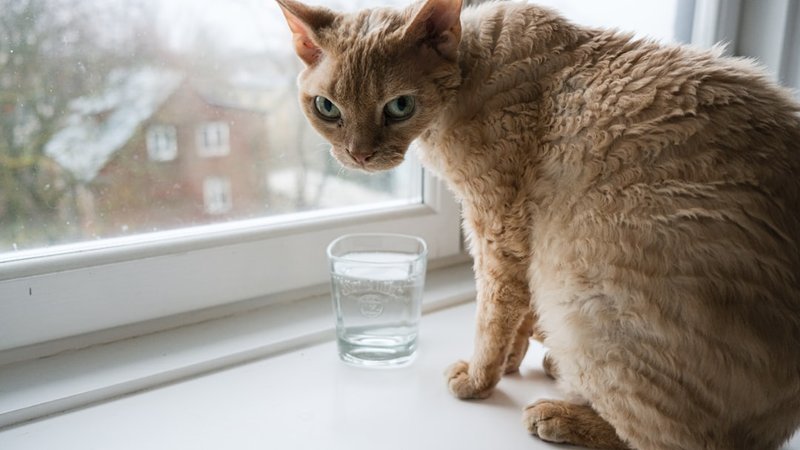
The Devon Rex is a mischievous, elf-like cat with oversized ears and a wavy coat. Their playful, social personality makes them endearing companions who genuinely enjoy human company.
- Key Detail: Low-shedding coat is a practical advantage for allergy-prone households
- Important Note: Prone to hypertrophic cardiomyopathy; annual cardiac screening is recommended
13. Bombay

Bred to resemble a miniature black panther, the Bombay is a sleek, affectionate breed that loves warmth — both physical and emotional. They are highly adaptable and thrive in various living situations.
- Key Detail: Jet-black coat and copper eyes make them one of the most striking domestic breeds
- Important Note: Tends to seek out the warmest spot in the house, including laps
14. Manx
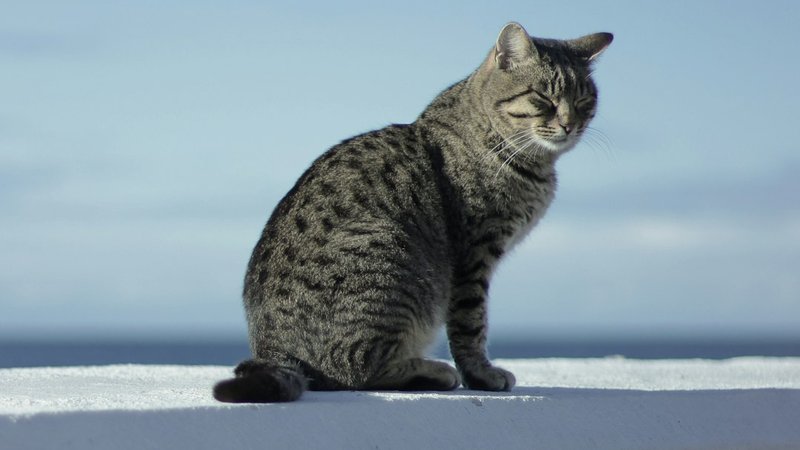
The tailless Manx is a sturdy, intelligent, and loyal breed with a playful streak that lasts for years. Their dog-like devotion to family members makes them a standout choice for beginners.
- Key Detail: Rounded body and back legs slightly longer than front give a distinctive hopping gait
- Important Note: Some Manx cats carry a gene linked to spinal issues; vet screening is important
15. Chartreux
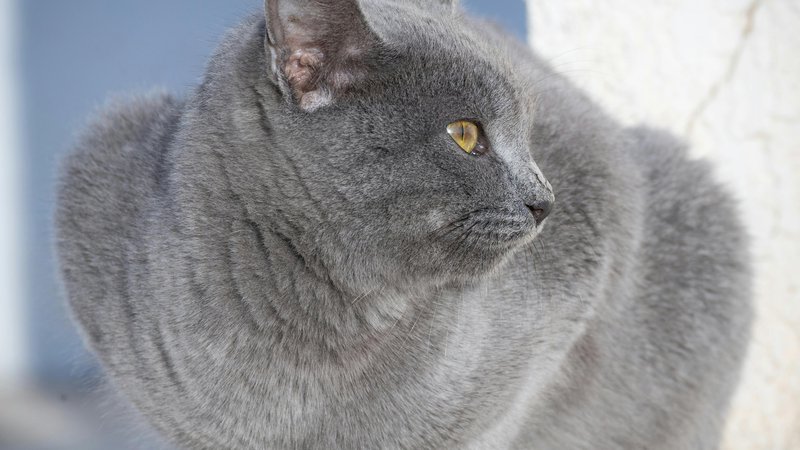
The Chartreux is a rare French breed prized for its quiet, observant, and deeply loyal nature. They are calm enough for apartment living yet playful enough to keep first-time owners thoroughly entertained. If you enjoy exploring calm, adaptable companions across species, the best dog breeds for apartments offers equally thoughtful guidance for urban pet lovers.
- Key Detail: Dense blue-grey double coat with a water-resistant texture; moderate shedding
- Important Note: Rarely vocalizes but communicates expressively through body language and chirps