The Strange Things Your Dog Does When They Think You’re Cheating on Them
Dogs have shared their lives with humans for thousands of years, and in that time they have become extraordinarily attuned to the emotional rhythms of the people they love. They notice when you are sad, anxious, or distracted, and they respond to those changes with a sensitivity that still surprises researchers. What took science considerably longer to confirm is something dog owners had suspected for a long time.
Past surveys have shown that more than 80 percent of dog owners report observing jealous behaviors from their dogs, including vocalizations, agitated behavior, and pulling on a leash, when they give attention to other dogs. For years those reports were treated with a degree of scepticism, dismissed as owners projecting human emotions onto their pets. The research that followed told a different story.
Studies from two separate universities confirmed not only that dogs display jealous behaviors but that those behaviors follow a distinctly human-like emotional logic. Lead author Amalia Bastos, writing for the University of Auckland, summarised the findings clearly, noting that jealous behavior emerged only when an owner interacted with a perceived social rival rather than an inanimate object, occurred as a consequence of that interaction rather than the rival’s mere presence, and emerged even when the interaction happened out of the dog’s sight. Meanwhile, Christine Harris, professor of psychology at UC San Diego, told the university’s news team that dogs were not only exhibiting jealous behaviors but were actively seeking to break up the connection between their owner and a perceived rival.
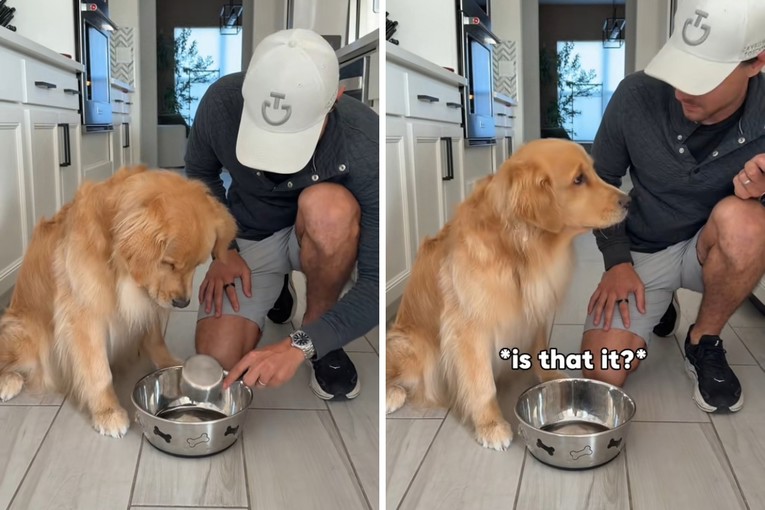
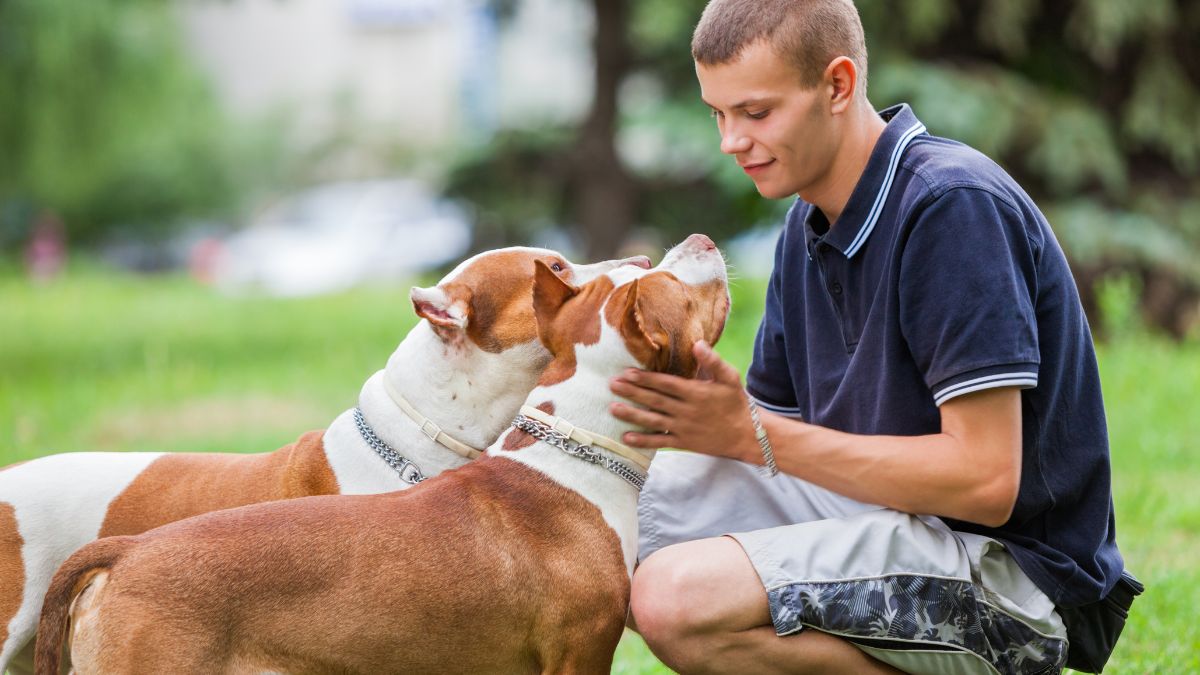
The behaviors themselves range from the endearing to the genuinely bizarre. Dogs push themselves between their owner and the perceived rival like a furry wall, nudge hands away when another animal is being petted, jump onto laps when attention is directed elsewhere, and even bring toys or perform tricks to pull focus back to themselves. When owners spoke sweetly to a stuffed animal and petted it, three-quarters of the dogs in one study pushed up against their owner, tried to get between them and the stuffed animal, or growled directly at it.
Some dogs take a more theatrical approach to expressing their displeasure. Animals may resort to misbehaving to gain attention, and a dog cannot distinguish between asking for good or bad attention, so they will do whatever it takes to have their owner’s focus, including chewing up items and jumping. Other signs of jealousy can include urinating indoors, moping, or excessive barking, behaviors that might appear unconnected to any obvious trigger until the wider social context is considered.
The triggers most likely to set this off involve changes to the household hierarchy. Common catalysts include a new pet, a roommate, or a baby arriving in the home, with some breeds that bond more intensely being especially prone to fixating on their owner’s attention. Research from the University of Auckland found that dogs can mentally represent jealousy-inducing social interactions, meaning the emotional response is not simply reactive but involves a degree of cognitive processing.
Understanding what is actually driving these behaviors makes them easier to manage with patience, consistency, and a little individual attention for each animal in the household. The jealousy itself is, in its own odd way, a measure of how deeply a dog has bonded with the people around them. Have you ever caught your dog doing something unexpected when your attention was elsewhere, and later realized it was probably jealousy at work?