
peytonobriennn/TikTok

A College Student Found a Genius Way to Help Her Overweight Cat Shed the Pounds

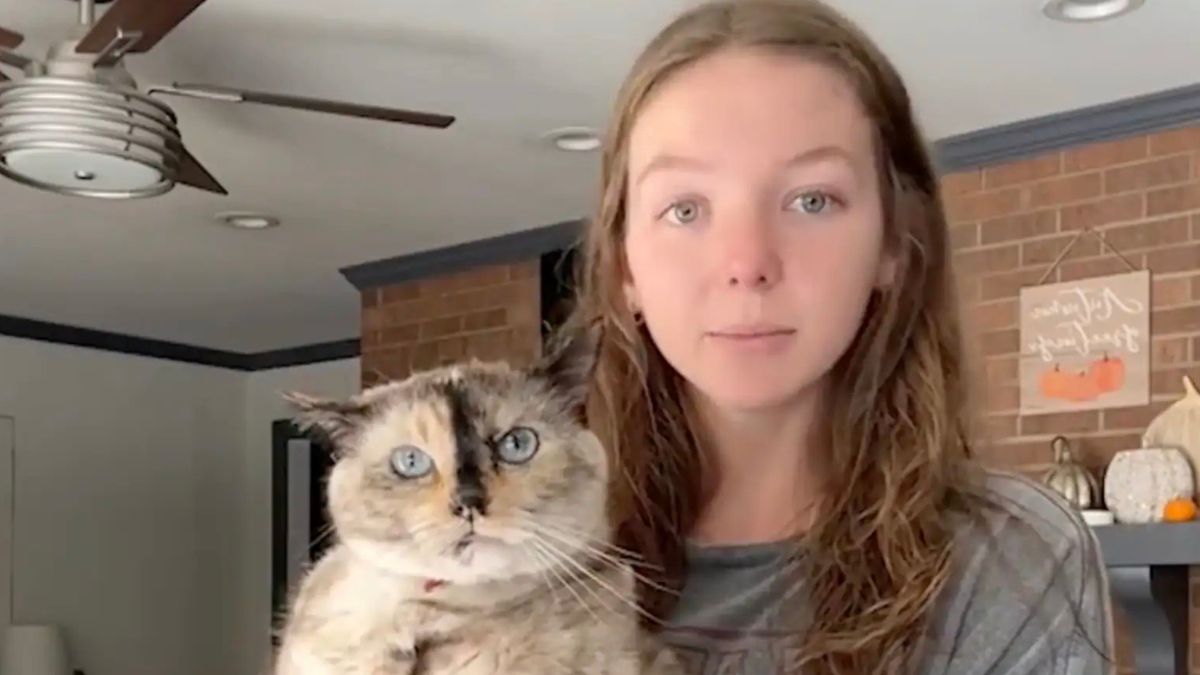
Weight loss is rarely described as fun, and for most living creatures, the journey requires motivation that goes beyond willpower alone. When Peyton O’Brien, a college student and devoted cat mom, realized that her beloved cat Chester had packed on a dangerous amount of extra weight, she refused to accept the standard advice of simply cutting back on treats. Instead, she channeled her creativity into something far more inventive: a daily, ever-changing obstacle course designed specifically to get Chester moving, one playful challenge at a time.

The story of Chester’s weight gain starts during the COVID-19 pandemic, when O’Brien’s family found themselves at home around the clock. Like so many households during that period, more time indoors translated into more snacking, and Chester was no exception. The cat was overjoyed to have her people home constantly, and the family, equally happy to have the company, kept the treats flowing freely. It was only when Chester began slowing down significantly, losing her playful spark and struggling with mobility, that the family recognized something was wrong. A trip to the vet confirmed it: Chester needed to drop three to four pounds to get back to a healthy weight.

Faced with that reality, O’Brien decided that a boring diet alone simply would not cut it. She began constructing elaborate obstacle courses throughout her home each day, designing challenges that forced Chester to run, jump, and navigate around objects she would never encounter during a typical lazy afternoon. The courses changed constantly, keeping Chester guessing and ensuring boredom never became an excuse to sit still. “I just try and think of different stuff for her to do every day,” O’Brien explained. The variety proved essential, because a cat as clever as Chester would have quickly mastered and dismissed any static setup.

Food, fittingly, became one of O’Brien’s most effective tools. Rather than placing Chester’s meals in a bowl, O’Brien began tossing individual pieces for Chester to chase down across the room. “One of her new exercises is that I throw a piece of food and she goes and chases it down,” O’Brien told The Dodo. It was a stroke of genius, turning Chester’s greatest weakness into her biggest motivation. The cat’s love of eating essentially became the engine driving her fitness routine.

O’Brien also brought in unexpected reinforcements by adopting a second cat, Clementine. Chester was not exactly thrilled about sharing her domain with a newcomer, but the addition turned out to be one of the most effective weight loss tools in the entire plan. According to O’Brien, “Clementine chases her around the house,” giving Chester involuntary cardio sessions throughout the day. Sometimes the courses grew ambitious enough to include a pool, which is a striking sight for anyone who assumes all cats are sworn enemies of water.

@peytonobriennn

SO SO PROUD OF CHESTERBELLE!!!!!! I can’t believe she is down a full pound since we started this TikTok journey!! Chester is a skinny queen now at only 17 lbs!! Can’t wait to see how much she more she will lose!

♬ original sound – peytonobrien

The results have been genuinely encouraging. Chester has been steadily losing weight, her mobility is improving, and she has started playing on her own again. Perhaps most telling, she seems to resent the obstacle courses a little less with each passing week. O’Brien’s approach is a reminder that caring for a pet through a health challenge rarely looks like a clinical intervention. Sometimes it looks like a college student rearranging the living room furniture every morning in the name of love.

Obesity affects an estimated 60 percent of cats in the United States, making it one of the most common preventable health conditions in domestic felines. What most people do not know is that cats are actually capable of swimming quite well when necessary, with their bodies naturally designed for buoyancy. The Cat Fanciers’ Association officially introduced competitive cat agility, the sport most similar to what Chester is doing at home, at a Portland, Oregon show in February 2005, and there are now roughly 40 competitions held annually across the country.

Have you ever come up with a creative solution to help a pet get healthier? Share your story in the comments!

Similar Posts

  • 5 ways Vacation Routines Stress your Pet: Psychology Science most owners Miss

    Vacations are exciting for humans, but for pets, they can feel confusing, stressful, and even scary. Many animals rely on routine to feel safe, so small travel changes can trigger anxiety in ways owners do not expect. The science is simple: pets read patterns, smells, and body language, not calendars. These five overlooked vacation habits can raise stress fast, even in calm pets, and knowing them helps you prevent problems before they start. A few small adjustments can make travel days easier for everyone.
    1. Packing Early Signals “Something Is Wrong” to Your Pet
    When you start pulling out suitcases, your pet often notices before you do. Many animals link luggage with separation, which can trigger anticipatory anxiety. Dogs and cats are experts at pattern recognition, so even quiet packing can create stress because it predicts a major change. Some pets respond by pacing, whining, hiding, or becoming clingy. Others may stop eating or start acting unusually alert. Psychology research on animal behavior shows that uncertainty is often more stressful than the event itself. Packing in smaller steps, keeping normal routines, and adding calm activities can reduce the buildup of anxiety.
    2. Your Mood and Body Language Change More Than You Realize
    Vacation prep usually comes with stress, rushing, and distraction. Pets notice that shift immediately because they rely heavily on your tone, facial expression, and energy. Even if you are excited, the fast movement, shorter patience, and unusual household noise can signal danger to an animal’s brain. This is especially true for anxious dogs and sensitive cats. Behavioral science shows that animals can mirror human stress through increased vigilance and restlessness. A pet may start shadowing you, refusing naps, or becoming reactive. Slowing down, using a calm voice, and keeping playtime normal can make a big difference.
    3. Skipped Walks, Late Meals, and Broken Timing Disrupt Safety Signals
    Many owners think pets will adjust easily to vacation timing changes, but routine is a major source of security for most animals. Meals, walks, and bedtime create predictable anchors that tell a pet their world is stable. When those anchors shift, stress rises, especially in dogs who depend on consistent potty breaks and activity. Cats can also become unsettled when feeding schedules change, which may lead to hiding, vocalizing, or litter box issues. Studies on animal stress show that predictable patterns lower cortisol over time. Even on travel days, keeping timing as close as possible helps pets stay calmer.
    4. New Smells and Spaces Can Trigger Overload, Not Curiosity
    People often assume pets will be excited by a new place, but unfamiliar environments can overwhelm them. Animals process the world through scent and sound, so hotels, rentals, or relatives’ homes can feel like sensory overload. New cleaning products, unfamiliar pets, strange floors, and different noises can raise stress quickly. Dogs may become hyper-alert, bark more, or refuse to settle. Cats may hide for hours or stop eating. Animal behavior research shows that novelty is not always enriching, especially when the pet has no control. Bringing familiar bedding, toys, and maintaining a quiet corner helps reduce that overload.
    5. Handing Them Off to a Sitter Without a Transition Creates Separation Shock
    Even if you trust your sitter, your pet may not. A sudden handoff can feel like abandonment to an animal that does not understand travel plans. Dogs may respond with barking, destructive behavior, or loss of appetite. Cats may become withdrawn, refuse interaction, or show stress through litter changes. Psychology studies on attachment show that animals form strong bonds and feel distress when those bonds are disrupted without a predictable transition. A short meet-and-greet, a trial visit, or a practice overnight can reduce stress dramatically. Familiar scents, written routines, and consistent feeding also help the sitter maintain stability.

  • Can Dogs Eat Squid? What Every Dog Owner Needs to Know

    Many dog owners find themselves wondering whether seafood is a safe addition to their furry companion’s diet. When it comes to squid specifically, the answer depends heavily on how it is prepared and how much is given at one time. Dogs can eat squid, but there are important guidelines every owner should follow before adding…

  • Friendly Labrador Sends Delivery Driver Running in Hilarious Viral Video

    A routine package drop-off recently turned into an internet sensation after a doorbell camera captured a dramatic encounter between an Amazon driver and a very enthusiastic dog. The footage shows a delivery person approaching a home with a package in hand, unaware that a resident was waiting to greet him. As the driver reached the…