

The “Oops” Breeds: Why These 5 Popular Dogs Are Putting Strain on Even the Best Relationships
Adding a dog to a household is often framed as a bonding decision, but the reality can be more complicated. Certain popular breeds bring intense needs that quietly reshape daily routines, finances, and emotional bandwidth. When expectations don’t match reality, pressure builds between partners over training styles, time commitments, and responsibility sharing. These strains rarely come from bad intentions; they stem from underestimating how demanding some dogs can be. Understanding which breeds most often trigger conflict helps couples plan honestly, communicate better, and avoid turning a pet into an unexpected source of relationship stress.
1. Border Collie
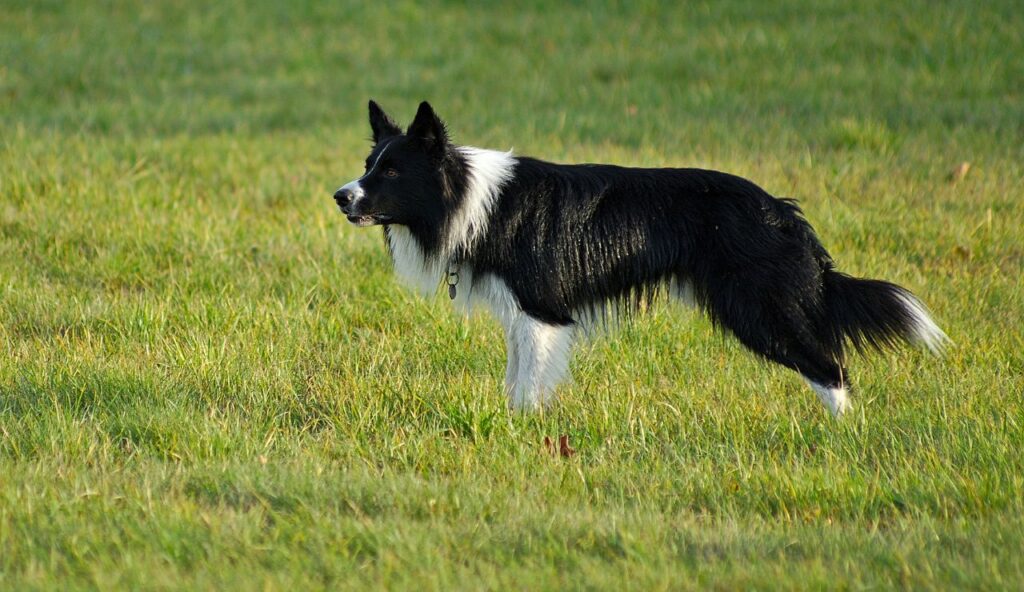
Border Collies are intelligent, driven, and endlessly energetic, which sounds ideal until daily life intervenes. This breed requires constant mental stimulation and structured physical activity to remain balanced. When one partner shoulders most of the exercise or training, resentment can quietly grow. Boredom leads to destructive behavior that adds stress at home, especially for busy couples. Without consistent outlets, their intensity can overwhelm shared spaces and schedules. Border Collies thrive with purpose, but without equal commitment from both partners, their needs often magnify relationship imbalances.
2. German Shepherd
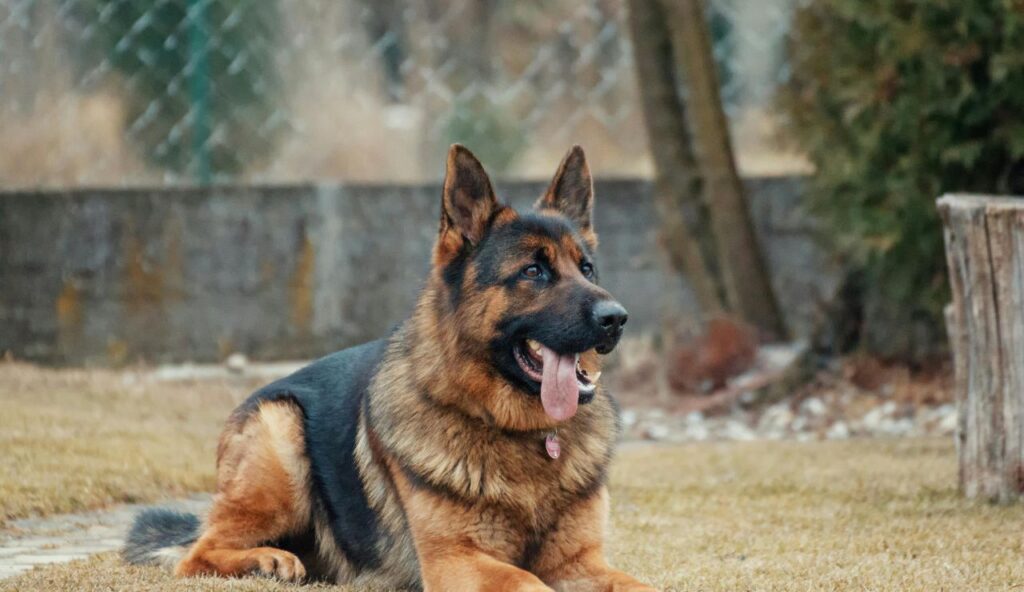
German Shepherds are loyal and protective, but their strong attachment often demands unified leadership. Conflicting training methods or boundaries can quickly confuse the dog, leading to behavioral challenges. Their size and strength amplify tension when disagreements arise over control or discipline. This breed also requires ongoing socialization to prevent anxiety or over-guarding, which takes time and coordination. When one partner feels responsible for managing safety or behavior, stress escalates. German Shepherds reward consistency, but mismatched expectations can strain even stable relationships.
3. French Bulldog
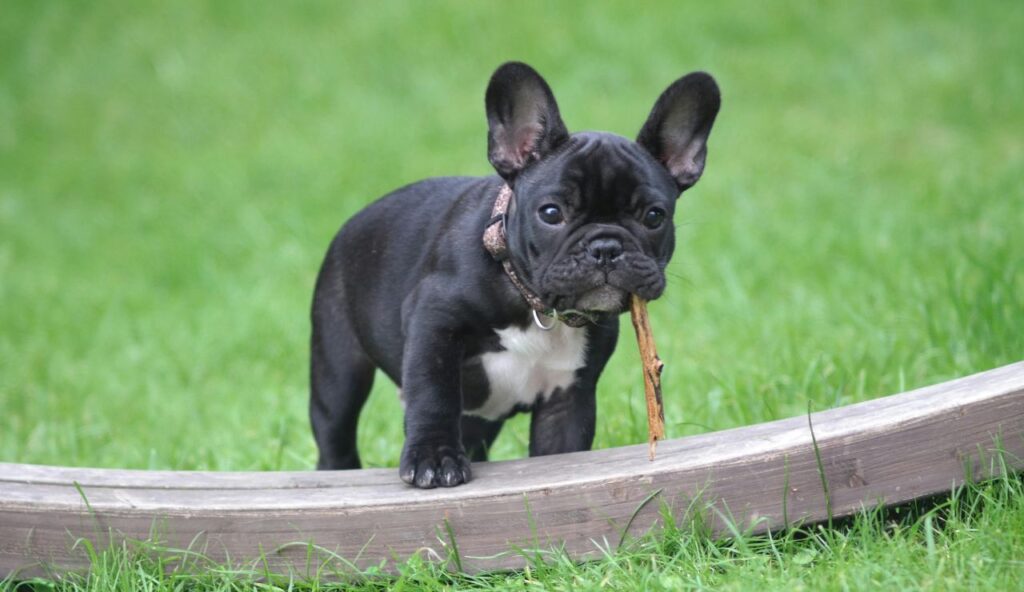
French Bulldogs are beloved for their charm, yet their health and lifestyle needs can become emotionally and financially taxing. Breathing sensitivities, temperature intolerance, and frequent vet visits require vigilance and planning. Disagreements often arise over medical decisions, expenses, or activity limits. Their clingy nature may also disrupt personal space or routines. While affectionate and entertaining, French Bulldogs demand shared responsibility and patience. Without aligned priorities, couples may find themselves stressed by constant care decisions and unanticipated limitations on travel or spontaneity.
4. Husky
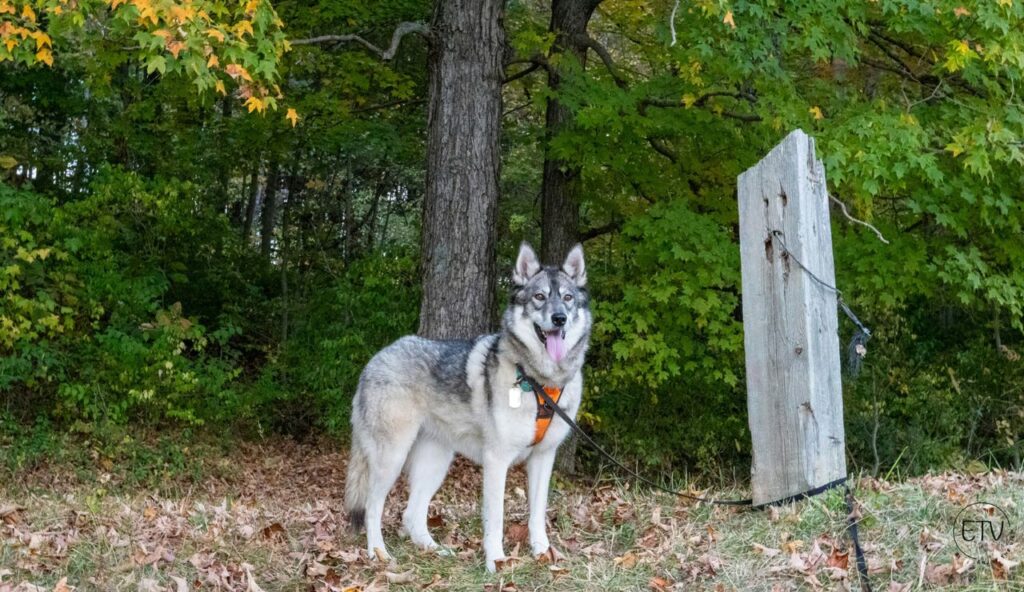
Huskies are adventurous, vocal, and independent, traits that can test household harmony. Their need for intense exercise and stimulation often exceeds what busy couples anticipate. Escaping, howling, or destructive behavior commonly sparks frustration, especially if one partner feels stuck managing the fallout alone. Huskies also challenge authority, requiring calm, consistent training from everyone involved at home. When expectations differ, one partner amused, the other exhausted, conflict builds quickly. This breed thrives on teamwork, and without it, their energy can turn into relationship strain.
5. Dachshund

Small size often leads couples to underestimate Dachshunds, but their stubborn streak and strong prey drive can surprise owners. Training requires patience and consistency, and disagreement over discipline can undermine progress. Their tendency to bark and guard can also spark tension in shared living spaces and apartment settings. Additionally, their long backs require careful handling, which can lead to arguments over play or supervision habits. Dachshunds form strong attachments and notice inconsistency quickly. When partners aren’t aligned, these small dogs can unintentionally magnify big relationship stressors.