The Gentle Giants Paying the Heaviest Price: Dog Breeds That Live the Shortest Lives
Few bonds in the animal kingdom run as deep as the one between a person and a giant dog breed. These enormous, warm-hearted companions fill a room with their presence and leave an outsized mark on the lives of everyone who loves them. But for owners of the largest dog breeds, that love comes paired with a difficult truth: size, in the canine world, comes at a cost.
Scientists have found through extensive population studies that large and giant breeds consistently have the shortest lifespans, even when they receive the same quality of care as smaller dogs. The pattern is so reliable that veterinarians now use it as a baseline when helping owners plan for the road ahead. On average, small dogs under twenty pounds often live twelve to sixteen years, while large and giant breeds may live only seven to ten.
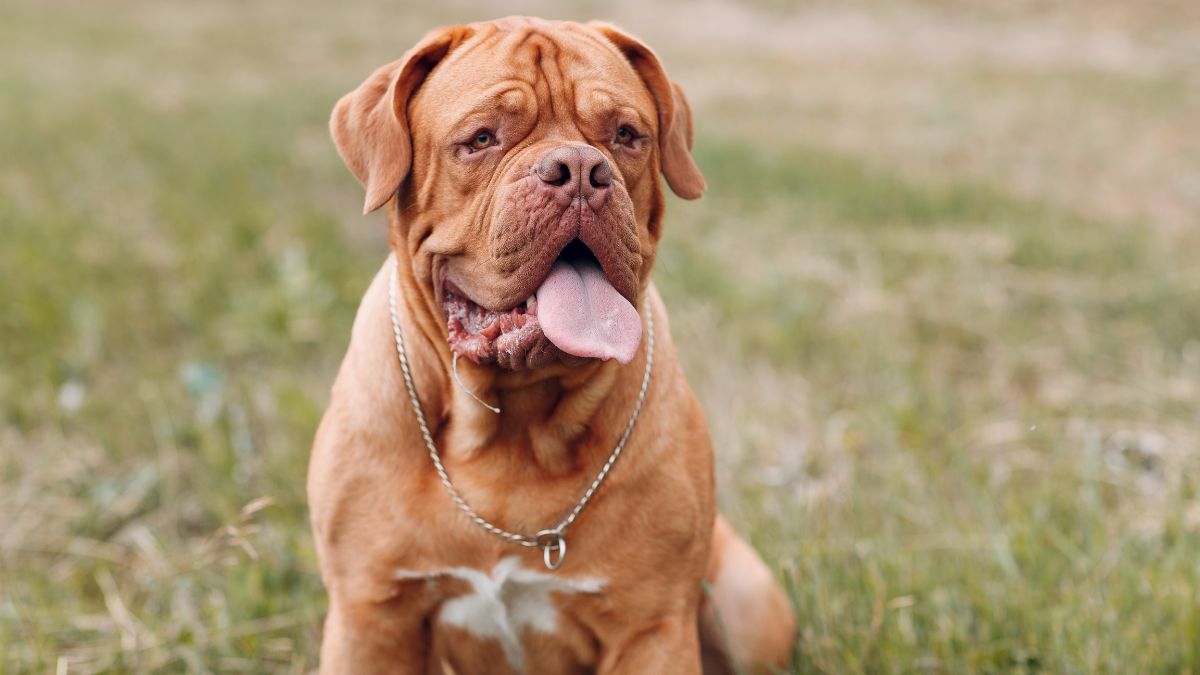
Among the dog breeds with the shortest life expectancies, a few names appear on nearly every list. The Dogue de Bordeaux, also known as the French Mastiff, is perhaps the shortest-lived breed of all, with a life expectancy of just five to eight years. The Bernese Mountain Dog typically lives only about six to eight years, and the Irish Wolfhound, officially the tallest breed in the world, falls into the same short-lived window. Great Danes, with their gentle and calm temperament, average just seven to ten years due to their size and predisposition to serious health conditions.
The science behind this pattern is well established, and it comes down to what happens inside a dog’s body during growth. Large and giant breed puppies grow at an astonishing rate, and that rapid cellular activity may increase the risk of DNA damage and age-related disease later in life. A large study of breeds in North America drew a clear conclusion, with researchers at the University of Melbourne summarizing that large dogs die young mainly because they age quickly, with their sheer size putting more strain on physiological processes that simply wear out more quickly as a result.
Research published in the journal The American Naturalist suggests that the shorter lifespans seen in larger breeds may be caused by an evolutionary lag in the body’s cancer defences, which are unable to keep pace with the rapid and relatively recent selective breeding of bigger dogs. Cancer is a defining threat for several of these breeds. For the Bernese Mountain Dog, the leading cause of death is histiocytic sarcoma, a particularly aggressive cancer that affects this breed disproportionately.
Heart disease and bloat are equally sobering realities for many of these dogs. Great Danes frequently suffer from cardiomyopathy, a disease of the heart muscle that causes the heart itself to enlarge. The breed is also particularly susceptible to gastric dilatation volvulus, a severe form of bloat that can become life-threatening in under twenty-four hours. Irish Wolfhounds face similar risks, with dilated cardiomyopathy and bone cancer among the leading causes of death for the breed.
Understanding average lifespan helps pet parents anticipate long-term health needs, screening timelines, and the emotional commitment involved in caring for these breeds. Proactive veterinary care, regular cardiac screening, and attentive monitoring of warning signs can meaningfully improve quality of life for giant breed dogs, even if it cannot change the biological clock. Large and giant breed dogs may age faster, but with informed care and early intervention they can still enjoy rich and active lives well into their senior years.
If you share your home with one of these magnificent but short-lived breeds, we would love to hear about the moments that made every year with them count.