10 So-Called “Gay-Friendly” Destinations That Are Actually Missing the Mark
Travelers often seek out places that celebrate diversity but many supposedly welcoming spots fail to deliver a truly supportive environment. Some heavily marketed LGBTQ inclusive locations are actively losing the very culture that made them popular in the first place. These gay friendly destinations missing the mark often hide deeper issues behind a colorful facade of rainbow flags and lively parades.
Rising costs and gentrification frequently push local queer communities out of historic neighborhoods while leaving only expensive tourist traps behind. Other regions might boast vibrant nightlife while completely ignoring regressive local laws or rising hostility just outside the main entertainment districts. Examining these queer travel hotspots reveals a stark contrast between glossy marketing campaigns and the everyday reality for residents and visitors alike.
San Francisco
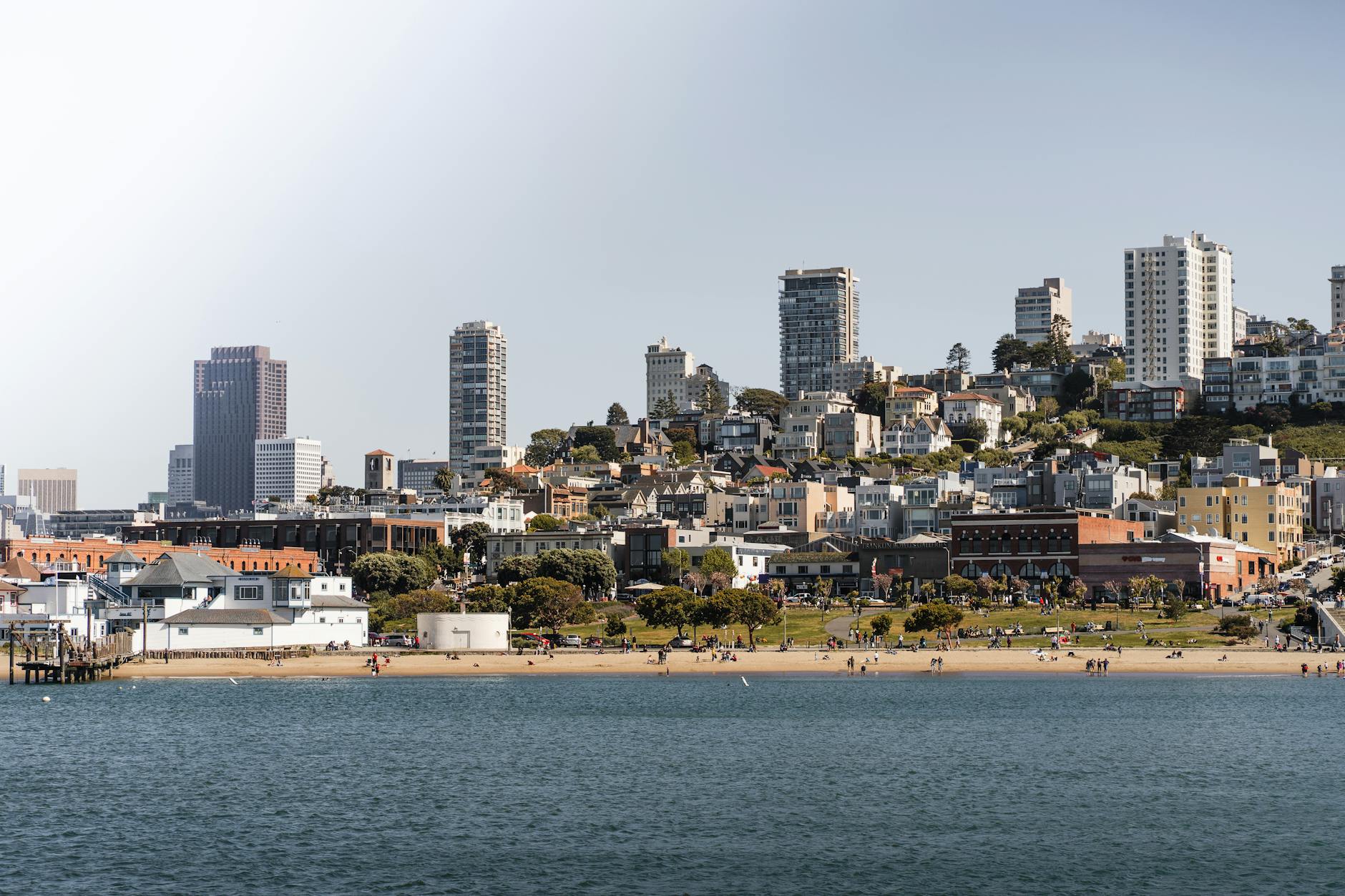
The Castro district was once the absolute center of queer liberation and community organizing in the United States. Skyrocketing housing costs have completely transformed the neighborhood and forced many long term LGBTQ residents to relocate far outside the city limits.
Historic dive bars and community spaces are increasingly being replaced by luxury boutiques and expensive fitness centers catering to wealthy tech workers. This aggressive gentrification leaves tourists searching for a vibrant queer culture that now exists mostly in history books rather than on the actual streets.
Mykonos
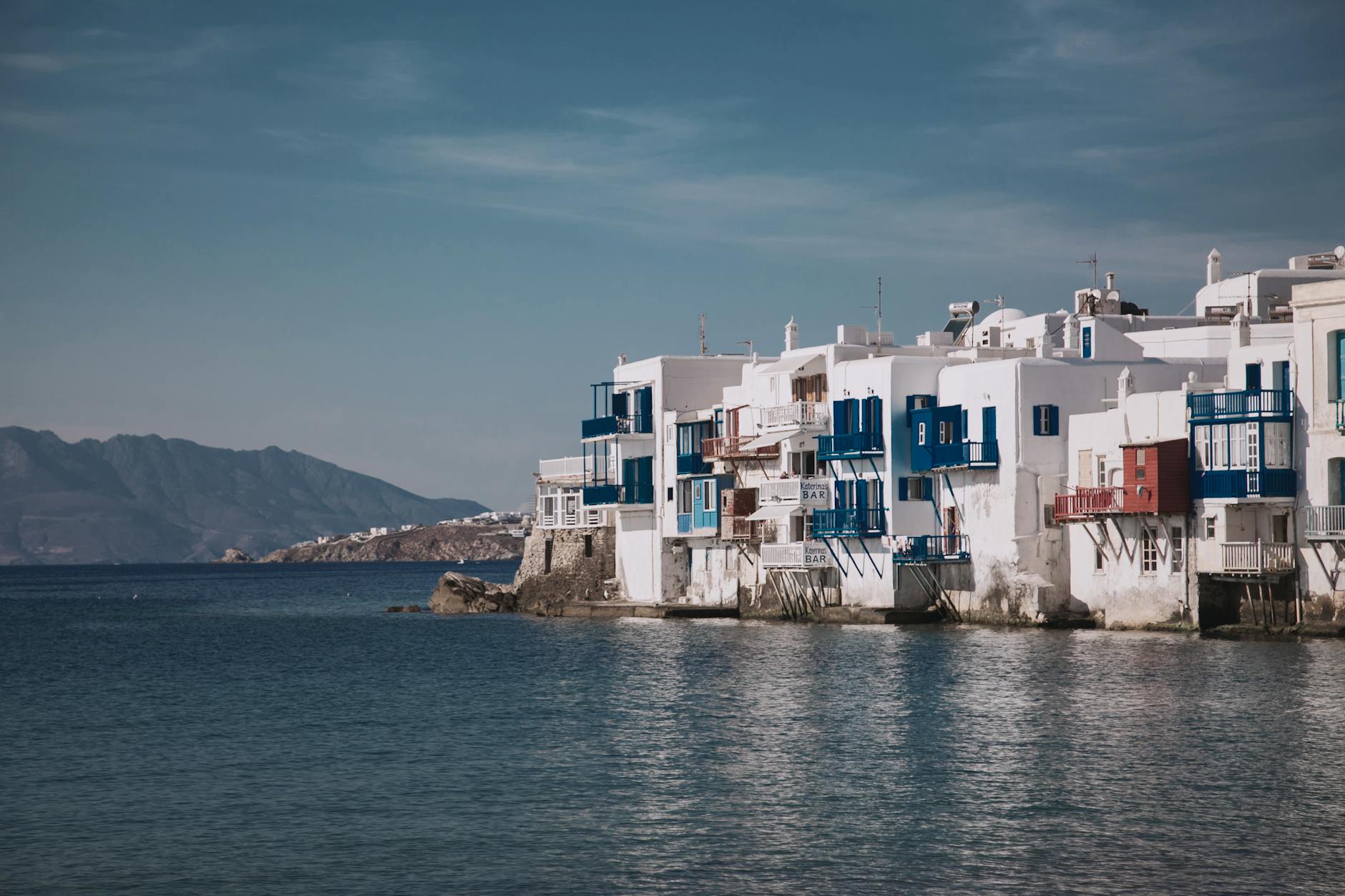
This picturesque Greek island has built a massive reputation as an exclusive summer playground for wealthy queer travelers from around the world. The intense focus on luxury beach clubs and VIP party experiences has completely priced out average tourists and local Greek residents.
Visitors outside the extreme upper class often find themselves unable to afford basic accommodations or simple meals near the main entertainment venues. The island relies entirely on seasonal tourism which creates an artificial and highly commercialized atmosphere lacking any genuine community connection.
Miami
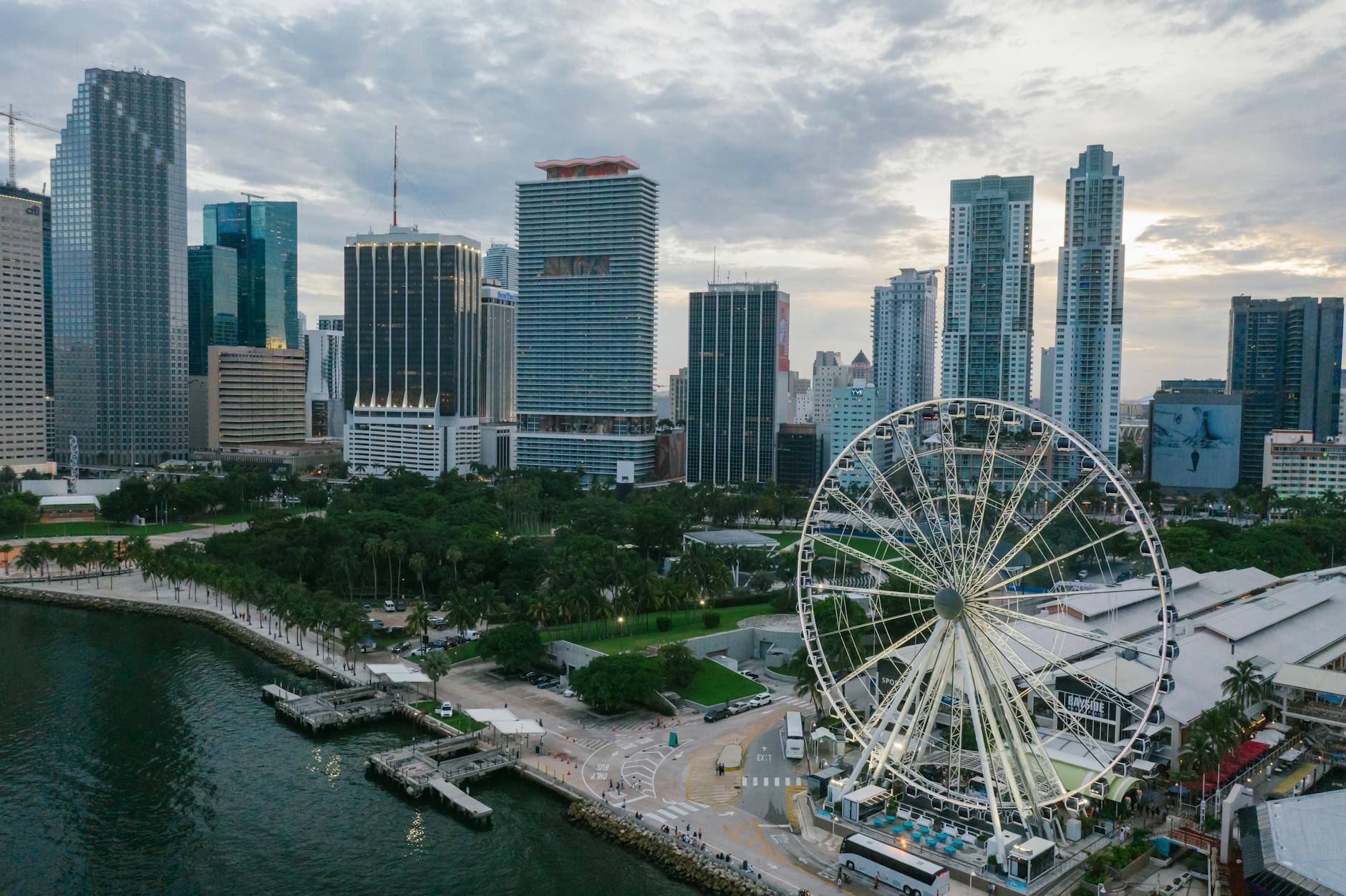
South Beach remains famous for its sunny weather and heavily advertised gay beaches that draw massive crowds every single winter. This colorful tourist bubble exists in direct contradiction to recent statewide political moves targeting the rights and safety of the LGBTQ community.
Visitors are spending their vacation dollars in a state that has aggressively rolled back protections for queer youth and transgender individuals. The vibrant party scene completely masks the underlying tension and legislative hostility that local queer residents must navigate on a daily basis.
London
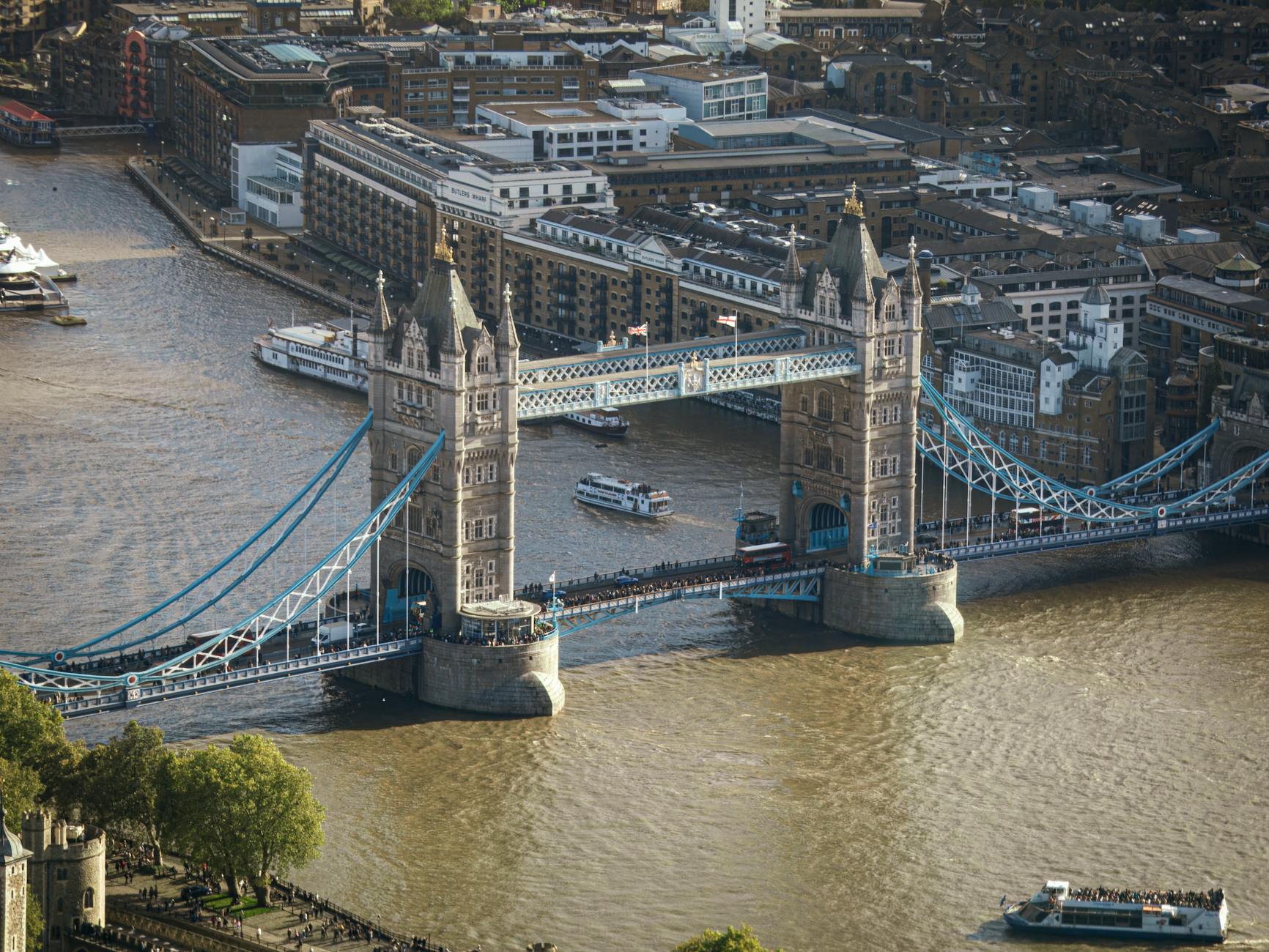
The historic Soho district is widely promoted as the beating heart of British queer culture and entertainment. An ongoing wave of corporate redevelopment has systematically destroyed dozens of iconic independent LGBTQ venues over the past decade.
Real estate developers continue to prioritize highly profitable luxury apartments and generic chain restaurants over spaces that foster authentic community gatherings. The broader political climate in the country has also seen a sharp rise in anti trans rhetoric that makes the capital feel increasingly hostile to marginalized groups.
Puerto Vallarta
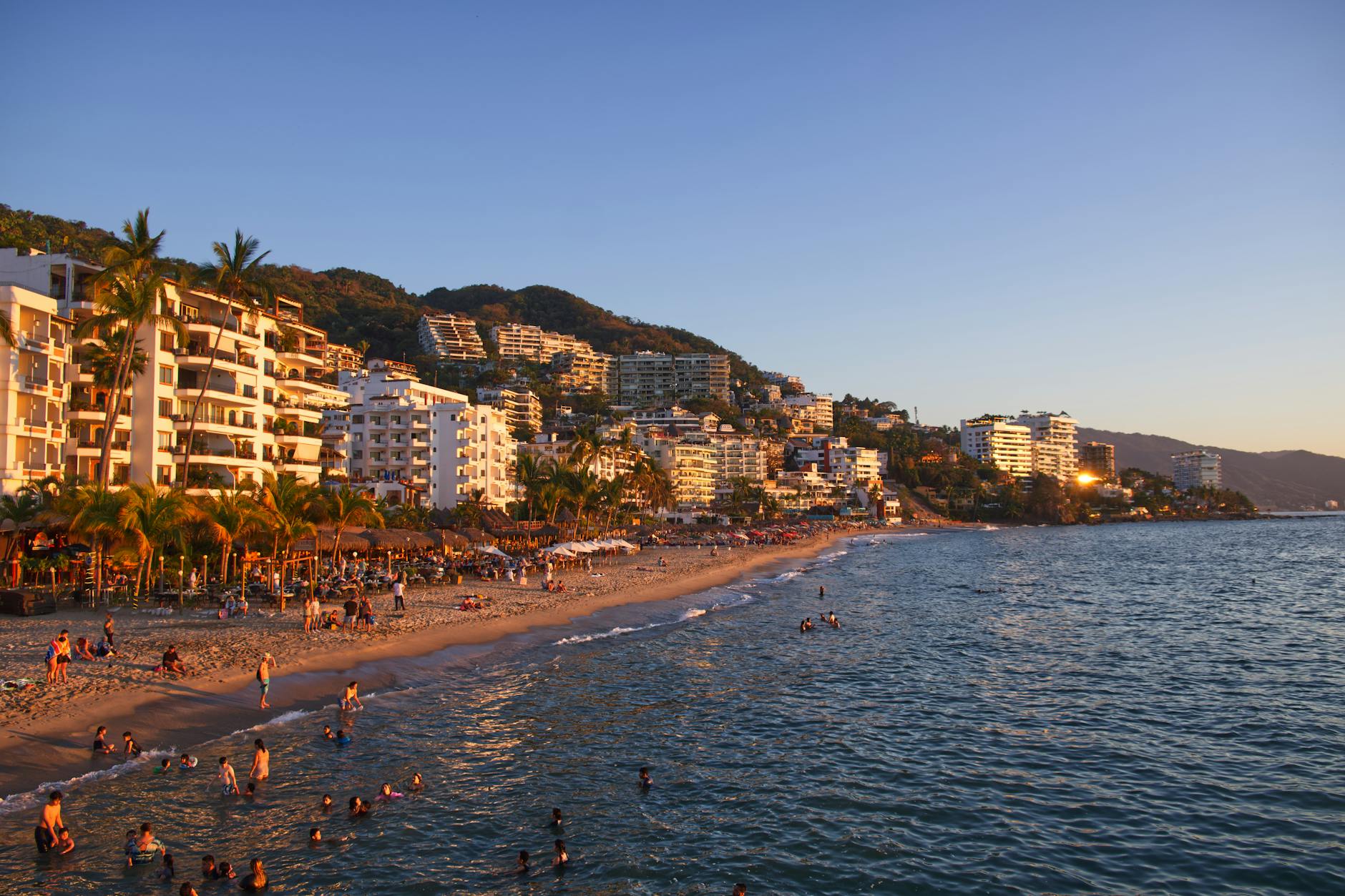
The Zona Romantica draws thousands of international queer tourists looking for beautiful beaches and an energetic nightlife scene in Mexico. This massive influx of foreign money has caused severe housing shortages and driven up the cost of living for the local population.
The safe tourist bubble is heavily policed and exists in stark contrast to the realities of the surrounding regions where cartels and anti LGBTQ violence remain serious threats. Wealthy visitors rarely interact with the everyday struggles of native Mexican queer people who are being marginalized in their own hometown.
Amsterdam
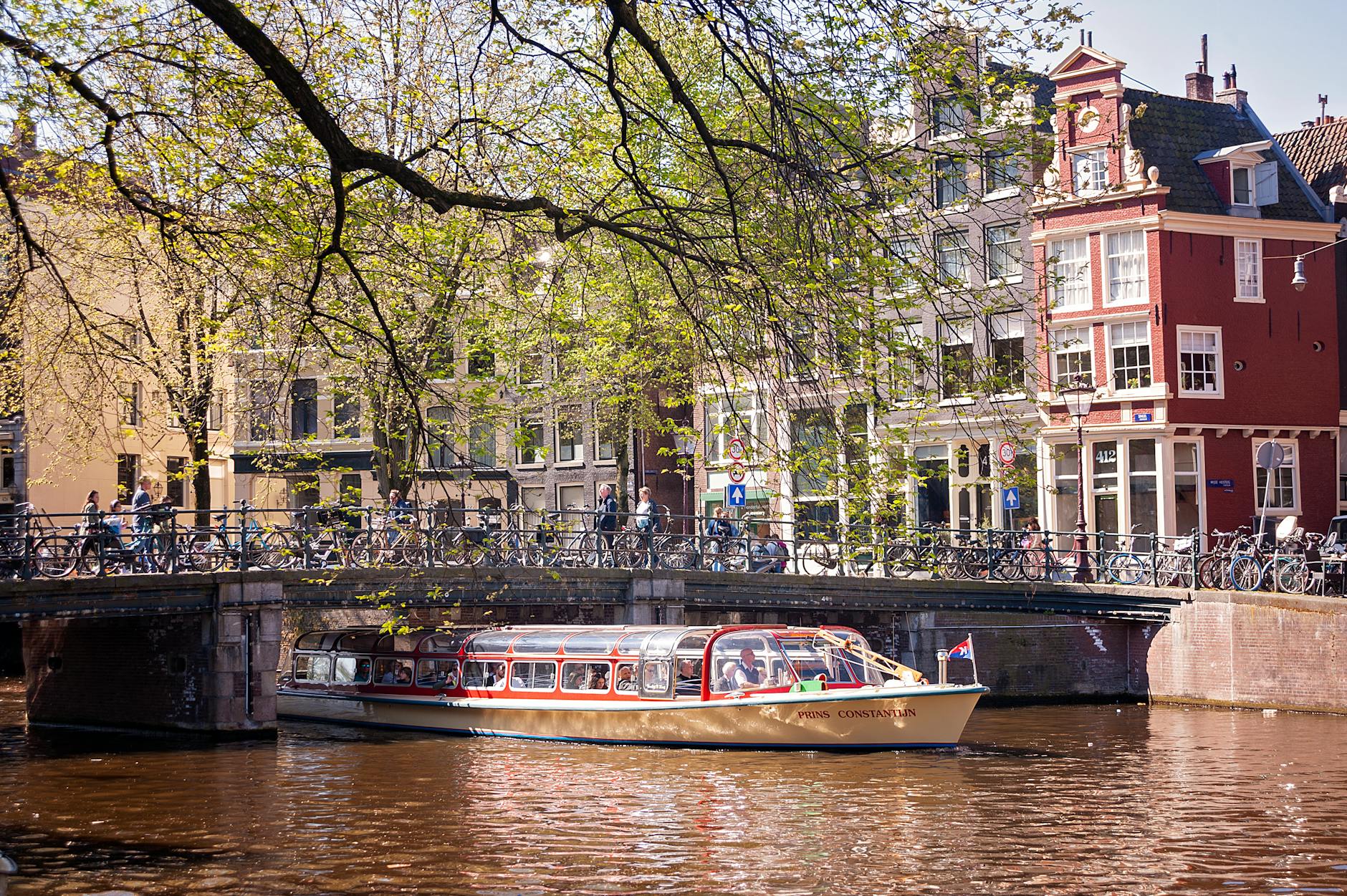
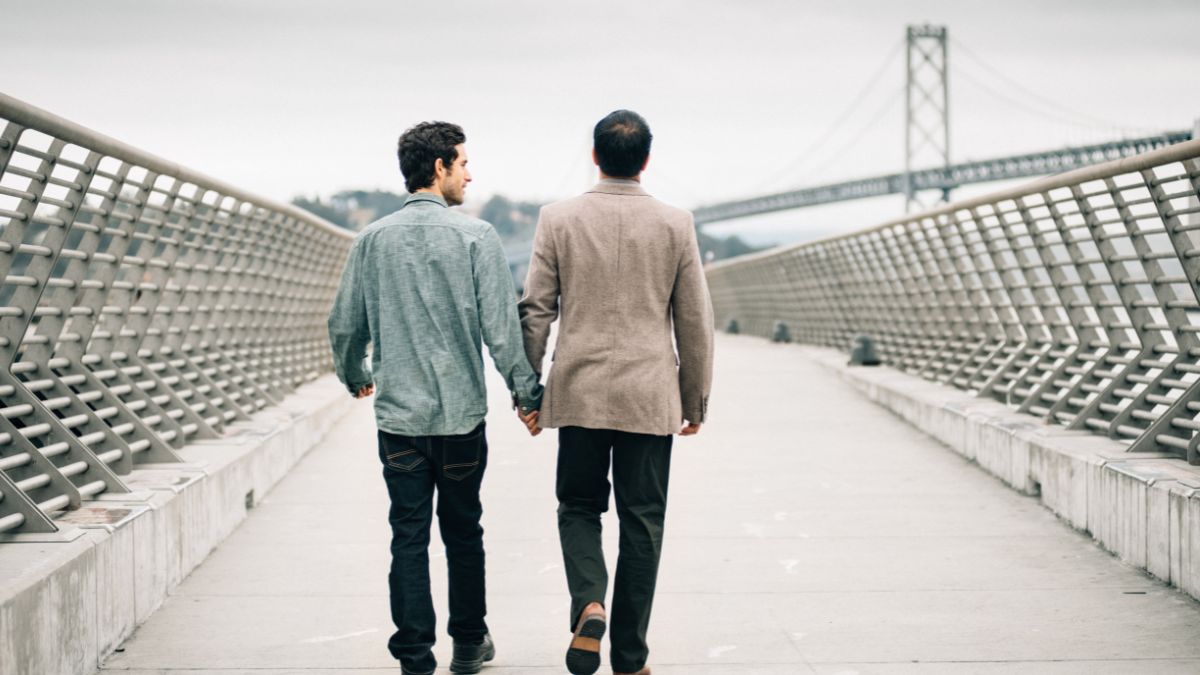
The Dutch capital is often celebrated as a global pioneer for marriage equality and progressive social attitudes toward sexual orientation. Recent years have seen a disturbing increase in street harassment and hate crimes directed at visibly queer individuals walking through the city center.
Many residents point to shifting political climates and a lack of effective police response as major factors contributing to this decline in public safety. Tourists expecting a perfectly tolerant utopia are frequently shocked to learn that holding hands in public can still provoke verbal abuse in certain neighborhoods.
Tel Aviv
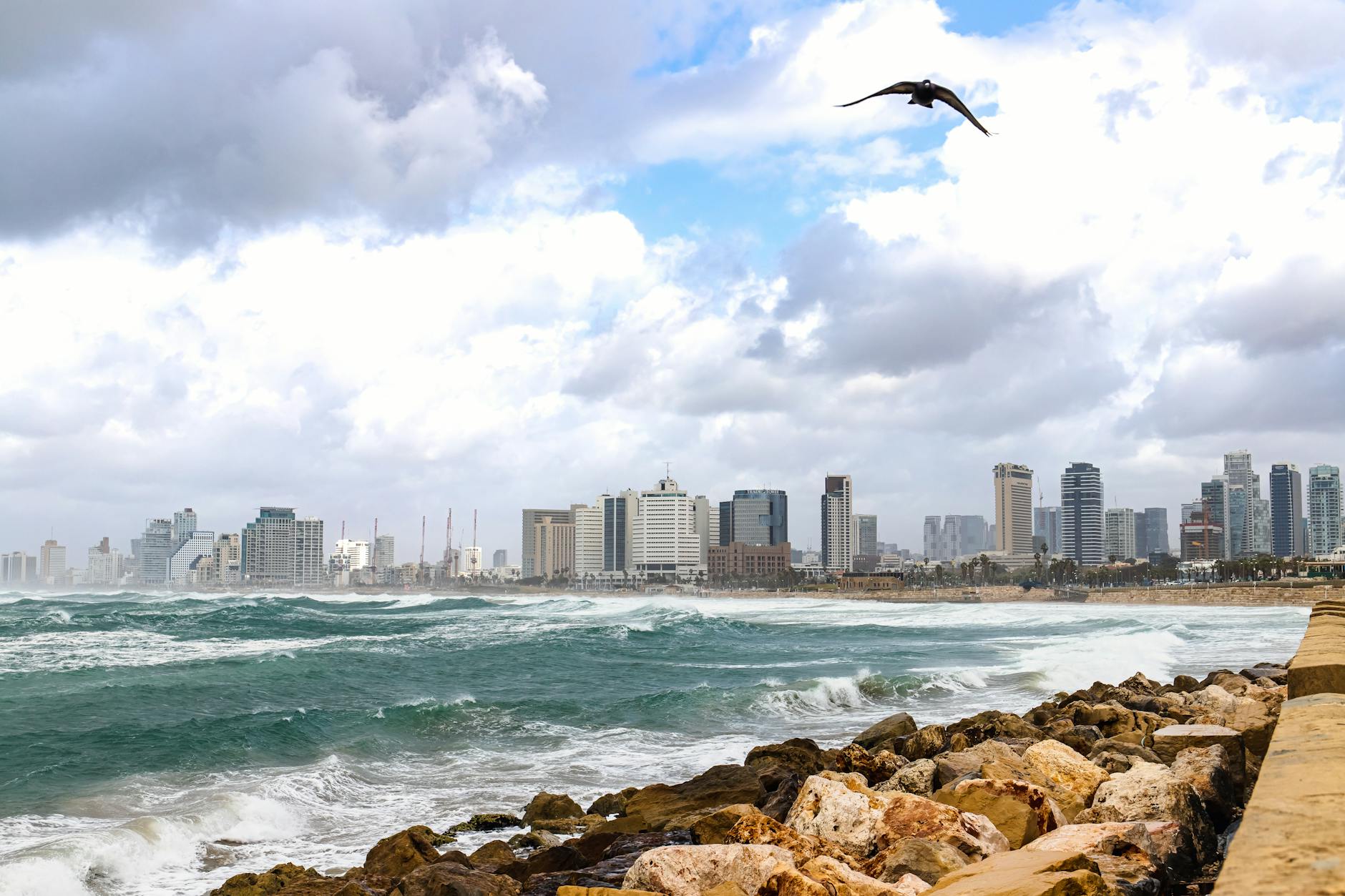
Government tourism boards aggressively market this coastal Mediterranean city as an absolute oasis of queer acceptance in the Middle East. Activists frequently criticize this strategy as pinkwashing designed to distract international audiences from ongoing regional conflicts and human rights violations.
The vibrant pride parades and massive circuit parties stand in sharp contrast to the lack of civil marriage rights for queer couples within the country itself. This complicated reality forces visitors to reconcile their vacation enjoyment with the deeply entrenched political turmoil surrounding the region.
Cape Town
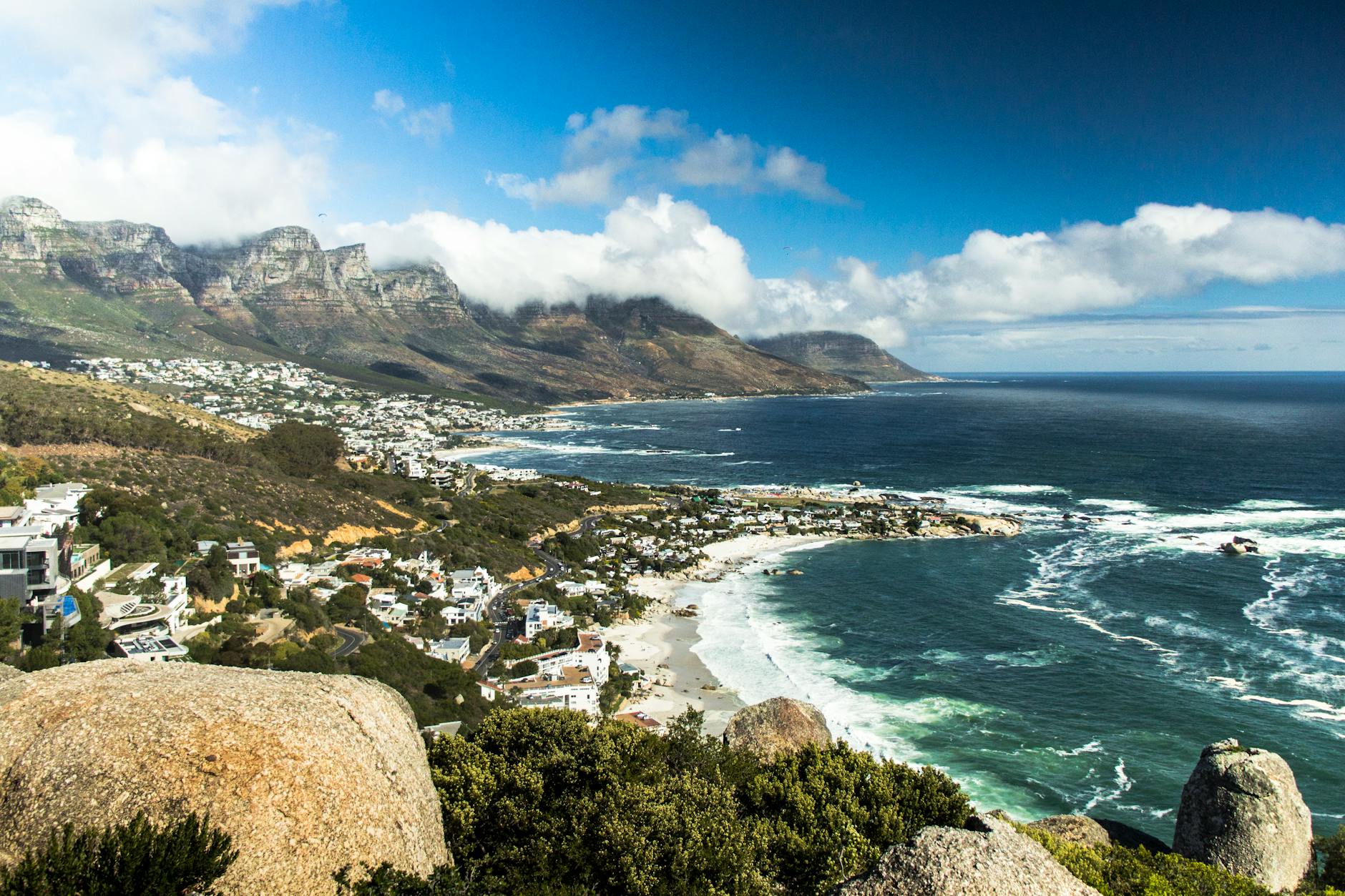
The De Waterkant neighborhood features an incredibly welcoming array of queer friendly cafes and guesthouses nestled at the foot of Table Mountain. This safe haven is exclusively accessible to wealthy tourists and affluent locals who can afford the premium prices associated with the area.
The situation is drastically different in the surrounding townships where systemic poverty and extreme violence plague the local LGBTQ population. The beautiful tourist experience completely ignores the massive economic and social inequalities that define daily life for the vast majority of queer South Africans.
Sydney
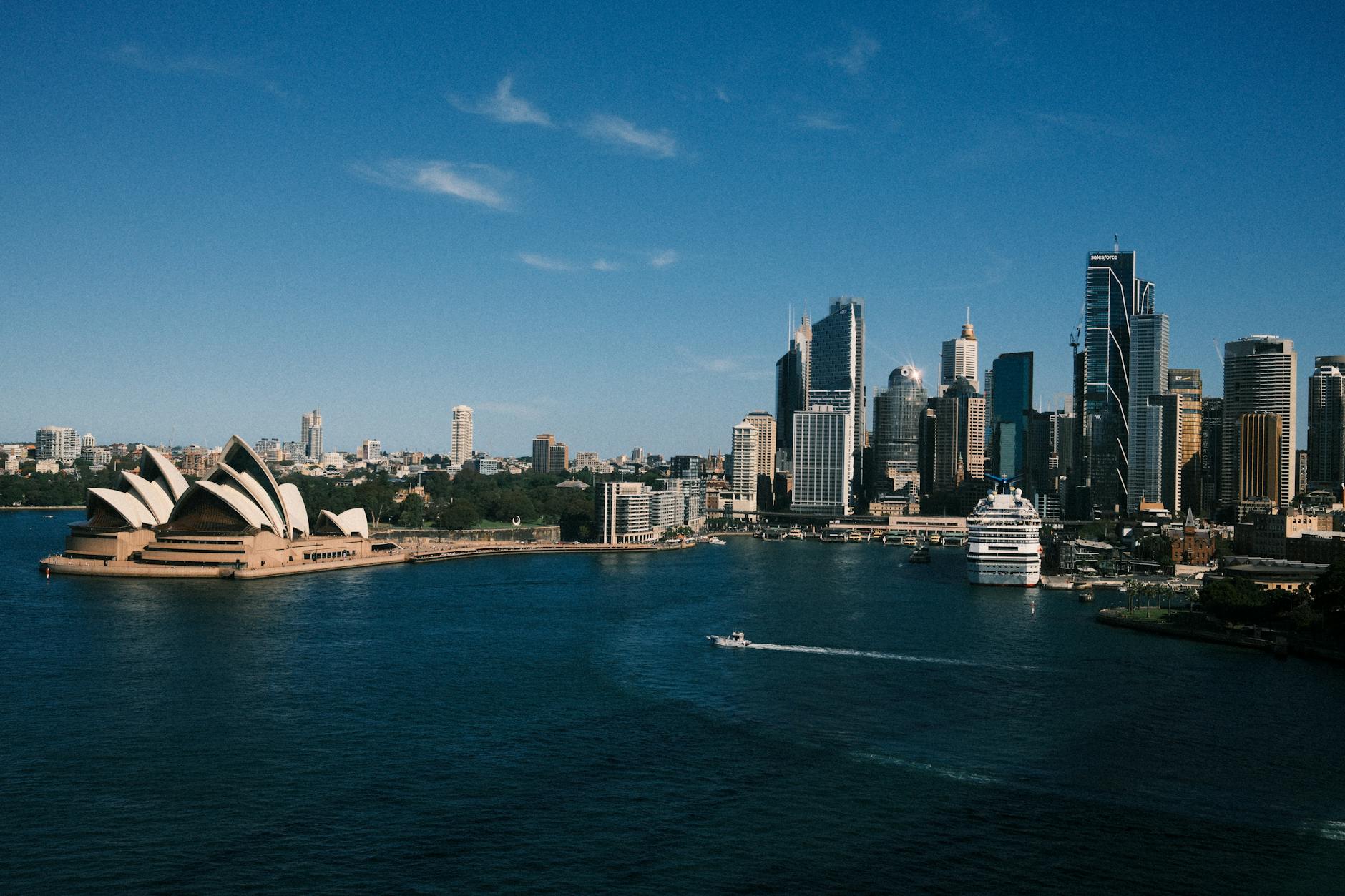
Oxford Street has historically served as the epicenter of Australian queer life and the traditional route for the massive Mardi Gras parade. Extreme gentrification and strict licensing laws have slowly drained the vitality from this once thriving cultural corridor over the last twenty years.
Independent queer businesses have been steadily replaced by vacant storefronts or generic corporate retail shops that offer nothing to the community. The shift has scattered the remaining queer spaces across the wider metropolitan area and destroyed the concentrated sense of belonging that visitors still expect to find.
Berlin
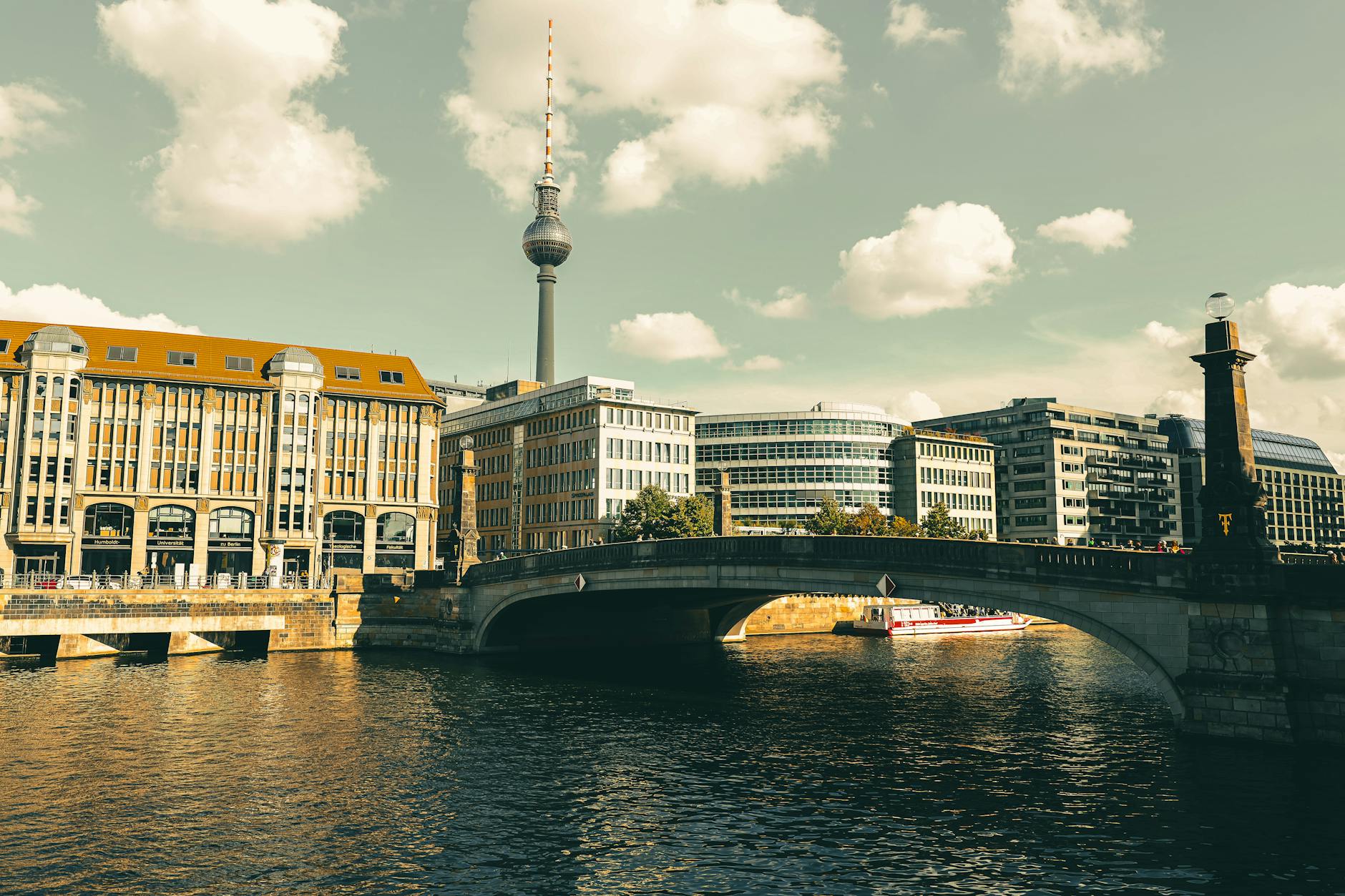
The German capital is legendary for its intensely permissive club scene and neighborhoods like Schöneberg that boast decades of queer history. Rising rents are fundamentally altering the underground culture and pushing experimental artists and performers far outside the central districts.
There has also been a highly documented surge in targeted violence against queer people in several prominent public areas around the city. The famous techno clubs maintain their strict door policies and safe spaces while the actual streets outside are becoming much less secure for the local community.
Please let us know your thoughts on these popular travel spots and share your own inclusive vacation experiences in the comments.