
Can Dogs Eat Avocado? Safety Guide for Pet Owners
Avocados are celebrated as a nutritional powerhouse for humans, but the same cannot be said for our canine companions. If you’ve ever caught your dog eyeing a slice of avocado toast, you may have wondered whether sharing a bite is safe.
The short answer is no — avocados pose a genuine health risk to dogs. Understanding exactly why can help you make better decisions about what ends up in your dog’s bowl.
Understanding Persin: The Toxic Compound in Avocados
The primary culprit behind avocado’s danger to dogs is a fungicidal toxin called persin. This naturally occurring compound is produced by the avocado plant as a defense mechanism against fungi.
Persin is found throughout the avocado plant, including its leaves, bark, skin, pit, and fruit flesh. According to research on persin toxicity, the compound can cause serious cardiovascular and respiratory distress in many animals.
Dogs are considered moderately sensitive to persin. While they are generally more resilient than birds or rabbits, repeated or large exposures can still trigger harmful reactions that require veterinary attention.
Which Parts of Avocado Are Dangerous to Dogs
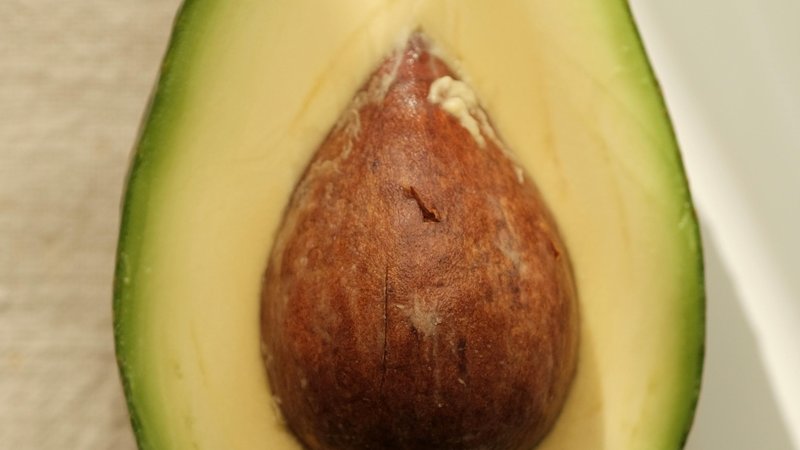
Not all parts of the avocado carry the same level of risk. The skin, leaves, and pit contain the highest concentrations of persin and should be considered strictly off-limits.
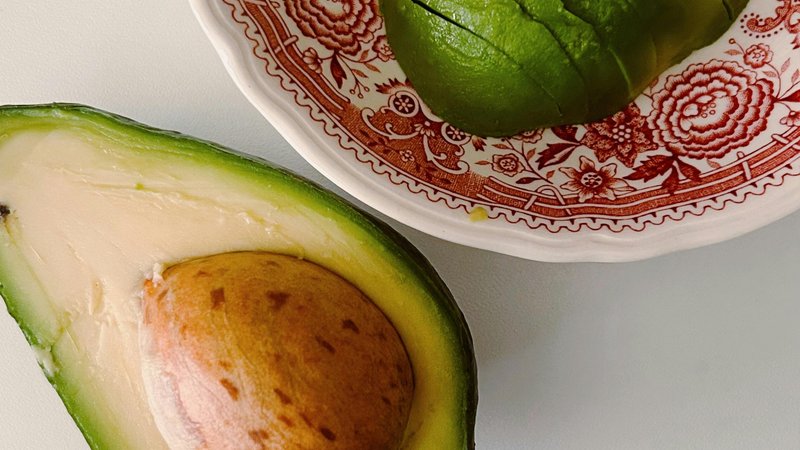
The fleshy green interior contains lower levels of persin, but it is still not safe for dogs. Beyond the toxin itself, avocado flesh is high in fat, which can trigger pancreatitis in dogs even after a single indulgent episode.
The pit presents an additional mechanical hazard. Its large, smooth surface makes it a serious choking risk and can cause dangerous intestinal blockages if swallowed.
Recognizing Avocado Toxicity Symptoms in Your Dog
Symptoms of avocado ingestion in dogs can appear within hours of consumption. Knowing what to look for allows you to act quickly and seek veterinary care before the situation worsens.
Common signs include vomiting, diarrhea, lethargy, and difficulty breathing. Sudden vomiting in dogs is always a signal that something has irritated the gastrointestinal tract and warrants close monitoring.
In more severe cases, dogs may experience fluid accumulation around the heart and lungs, which can compromise cardiovascular function. If your dog appears weak, has labored breathing, or collapses, treat it as an emergency.
Gastrointestinal upset like loose stools and diarrhea may also follow avocado ingestion, even when the amount consumed seems small. Never dismiss mild symptoms without monitoring your dog carefully over the next 24 hours.
Safe Alternatives and Healthy Fruit Options for Dogs
Fortunately, there are plenty of dog-safe fruits and superfoods that deliver genuine nutritional benefits without the risks. Blueberries, watermelon (seedless), and sliced apples are popular choices that most dogs enjoy.
For pet owners interested in boosting their dog’s diet with functional ingredients, chia seeds for dogs offer omega-3 fatty acids, fiber, and antioxidants in a safe and easily digestible form.
If you want to broaden your dog’s palate even further, exploring novel proteins like homemade rabbit recipes for dogs can add variety while keeping meals nutritionally balanced and vet-approved.
Always introduce any new food gradually and in small quantities. When in doubt about whether a specific food is appropriate, use a reliable resource like the AKC dog food quiz to check safety before feeding.
What to Do If Your Dog Consumes Avocado
If your dog has eaten any part of an avocado, stay calm but act promptly. Try to estimate how much was consumed and which part of the fruit was involved, as this information will be critical for your vet.
Contact your veterinarian or an emergency animal poison control hotline immediately. Do not attempt to induce vomiting at home unless a veterinary professional specifically instructs you to do so.
Your vet may recommend monitoring at home for mild cases or may advise bringing your dog in for supportive care, including IV fluids or medications to manage symptoms. Early intervention consistently leads to better outcomes.
Keeping avocados stored securely and out of reach is the simplest and most effective preventive measure. A curious dog can access countertops and open bags faster than most owners expect, so vigilance in the kitchen is always worthwhile.