A Traveler Checks Out “The Cheapest Country in Europe”: Meals Cost Just One Dollar
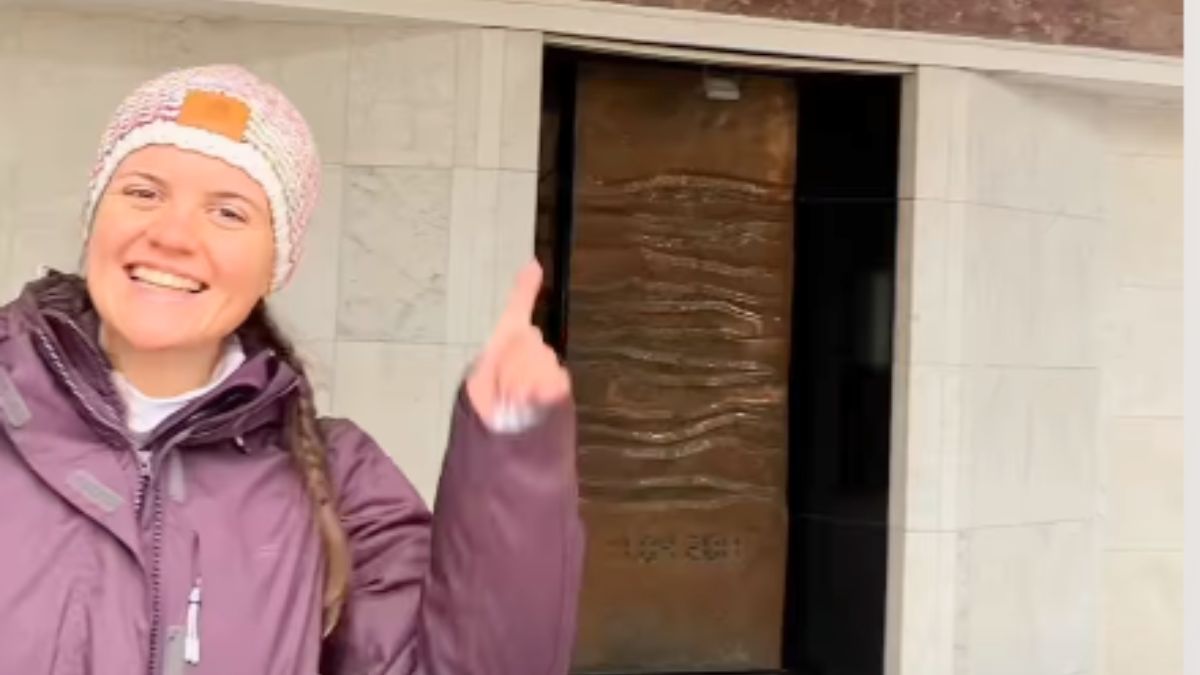
When Steph, a well-traveled content creator who has explored 64 countries, decided to visit Belarus, she expected affordable prices. What she did not expect was just how profoundly different the whole experience would feel compared to anywhere else she had been in Europe. She shared her impressions on Instagram, and the video quickly caught the attention of thousands of curious viewers. Her verdict was clear from the start: this place is in a league of its own.
The prices alone were enough to raise eyebrows. A full meal can be had for just one dollar, and a bus ride costs a mere 25 cents. Steph made it clear, though, that the low cost of living was only the beginning of what made Belarus stand out. “This place isn’t just cheap,” she explained to her followers, “it feels completely different from the rest of Europe.” That sense of otherness turned out to be the most captivating part of her trip.
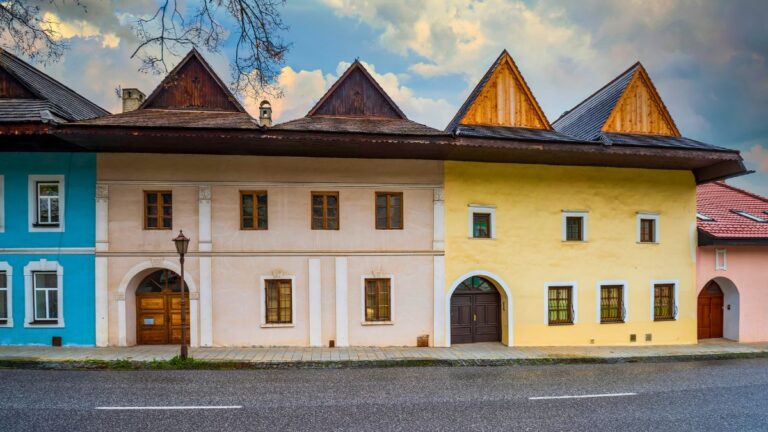
The capital city, Minsk, left a particularly strong impression on Steph. She described it as a kind of “little Paris,” pointing to the French-influenced architectural style of many buildings throughout the city. The metro and streets were, in her words, among the cleanest she had ever encountered anywhere in Europe. What fascinated her most, however, was the way history was woven into every corner of the urban landscape, from the layout of the streets to the monuments dotting the city.
The Soviet legacy is impossible to miss in Minsk. Lenin statues still stand tall, and Soviet-era structures appear at nearly every turn. Steph also highlighted that Belarus is home to what she described as the largest open-air collection of Soviet tanks, rockets, and missiles. The cinemas, too, reflect a different cultural orbit, screening Russian and Bollywood productions rather than the Hollywood titles that dominate most of Europe. It all added up to a destination that felt, as Steph put it, like stepping into another world entirely caught somewhere between the past and the present.
Even the fast food scene tells a different story. There is no McDonald’s in Belarus, but visitors can find Mak.by, the country’s own homegrown equivalent. The local KFC stands out as well, decorated with a striking Soviet-era mural that sums up the unique blend of the familiar and the unexpected that defines so much of the Belarusian experience. Steph seemed genuinely charmed by these little details, and her followers were quick to respond with their own takes.
The comment section was full of interesting perspectives from people who had actually lived or spent time there. One Belarusian follower was quick to offer some nuance, noting that while the country is remarkably affordable for visitors from EU nations, locals with local salaries do not always see it the same way. Others were simply enthusiastic, with one person sharing that they had never felt so safe, comfortable, and happy anywhere during the months they spent there. Someone else called Minsk one of the most beautiful cities in the world, a sentiment echoed by a commenter who confirmed the French-style architecture and remarked on how unexpectedly clean everything was.
What makes Steph’s experience so compelling is how it challenges the typical European travel narrative. Belarus rarely makes it onto the bucket lists of Western tourists, yet those who do visit seem to come away genuinely surprised by what they find. The combination of rock-bottom prices, immaculate streets, fascinating Soviet heritage, and an atmosphere unlike anywhere else on the continent makes it a genuinely unique destination. As Steph herself pointed out, the strangest part might be that almost nobody is talking about it.
If you have ever visited Belarus or are curious about off-the-beaten-path European destinations, share your thoughts in the comments.