First Golden Snub-Nosed Monkey Born Outside Asia Delights Zoo Visitors In France
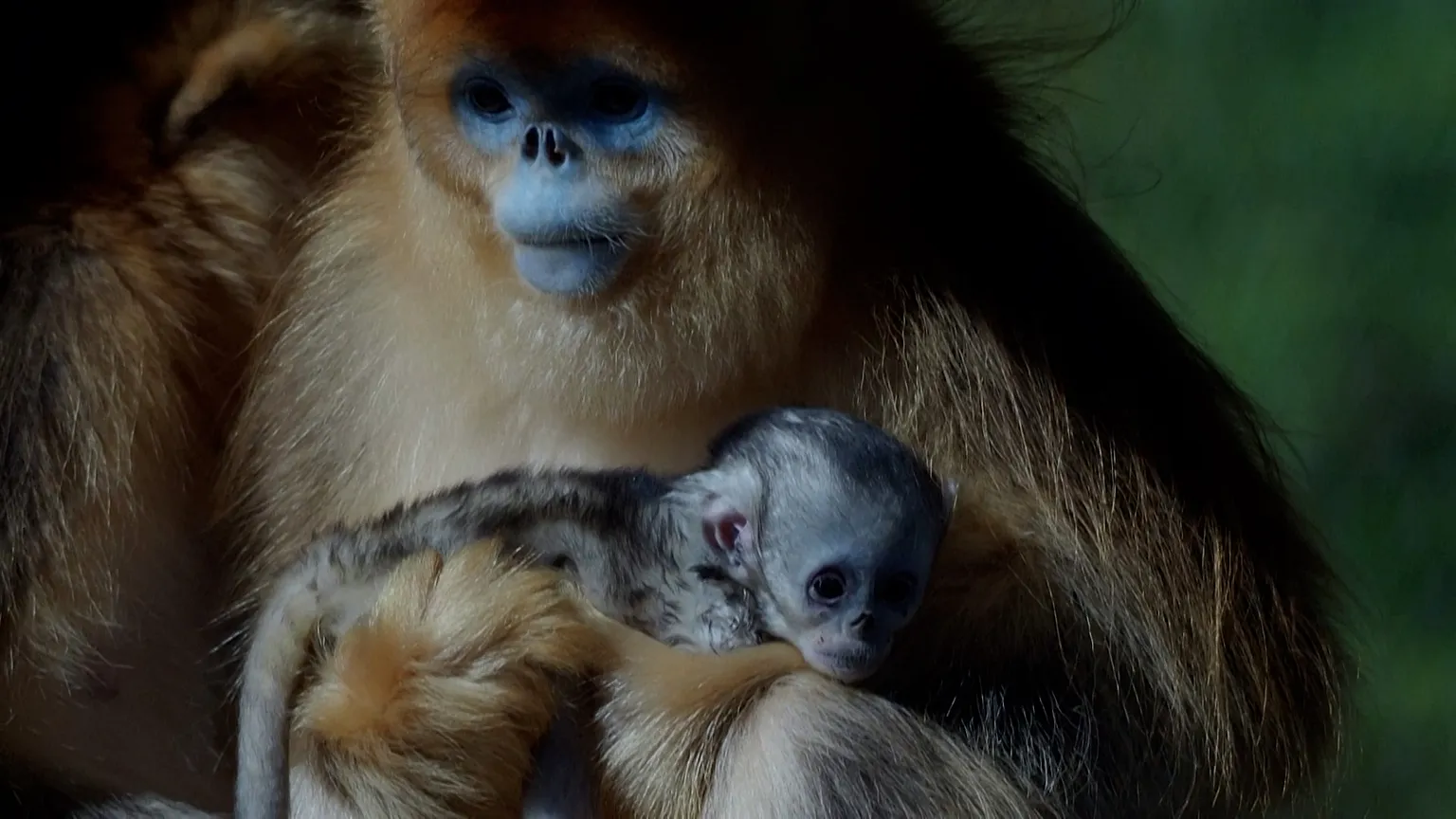
A charming baby golden snub-nosed monkey has arrived at a zoo in France marking the very first time this rare primate species has been born anywhere beyond its native Asian range. The tiny newcomer with its striking blue face entered the world on the morning of March 11 2026 at ZooParc de Beauval. Keepers there welcomed the infant after months of careful preparation and close partnership with experts in China who had sent the parents over the previous year. This event stands out as a genuine triumph for international efforts to protect one of the planet’s most endangered monkeys.
The mother named Jindou gave birth as a first-time parent and zoo staff have been watching her and the baby around the clock in these early days. She traveled to France in April 2025 together with another female called Jinhua and a male named Jinbao all coming from the Shanghai Wild Animal Park. The Chinese facility has stayed in regular contact with the French team throughout the pregnancy to share knowledge and support. Such collaboration highlights how zoos around the world are teaming up to give vulnerable animals a better chance at survival away from the threats they face at home.
Golden snub-nosed monkeys originally live in the cold mountainous forests of southwestern China where snow can cover the ground for as long as six months each year. Their almost flat noses likely developed as a smart adaptation to stop frostbite and keep snow from piling up during harsh winters. These primates also boast bright orange fur that contrasts beautifully with their sky-blue faces and dark expressive eyes. In the wild they form social groups called harems in which one male lives with several females and everyone helps raise the young through shared grooming and even nursing from multiple mothers.
The species faces serious risks in its natural habitat mainly from habitat loss due to deforestation farming and shifting climate patterns. Poaching for fur and traditional medicines once added heavy pressure too though numbers have started to recover thanks to stronger protections. Experts estimate the wild population dropped to around 16,000 individuals in the 1990s but has since grown closer to 27,000 with continued conservation work. Births like this one in France add valuable genetic diversity and help build backup populations should wild groups need extra support in the future.
Visitors to the zoo have already begun catching glimpses of the newborn clinging tightly to its mother in the enclosure. The baby arrived with the light fur typical of infants and seems healthy so far under the watchful eyes of the care team. Golden snub-nosed monkeys usually produce just one offspring every couple of years after a gestation lasting six to seven months. Females reach maturity around age five while males take a bit longer until about seven. This successful delivery outside Asia opens new doors for breeding programs that could one day contribute to reintroduction efforts or simply raise global awareness about the species.
Zoos play an increasingly important role in safeguarding animals that struggle in the wild and this milestone shows what dedicated international teamwork can achieve. The arrival of the little blue-faced monkey has brought smiles to staff and guests alike while reminding everyone how unique and fragile these primates really are. With ongoing monitoring and continued cooperation between facilities in France and China the future looks a little brighter for golden snub-nosed monkeys everywhere.
What do you think about this adorable milestone for an endangered species and would you love to see one of these blue-faced monkeys in person. Share your thoughts in the comments.