

Can Dogs Eat Walnuts? Safety Guide for Pet Owners
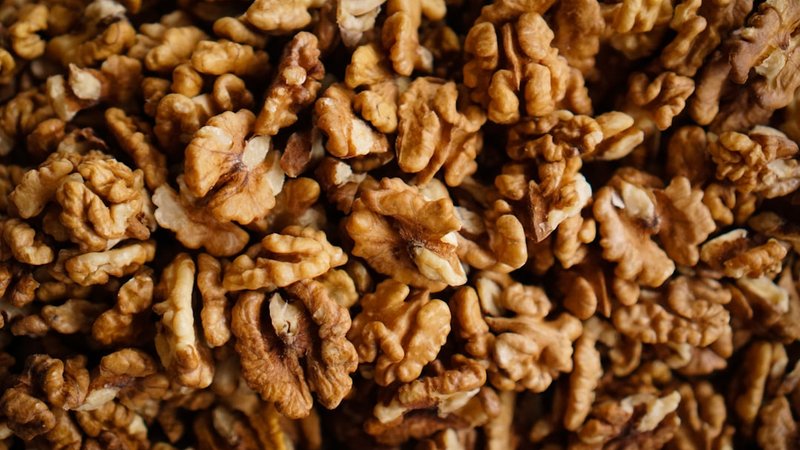
You’re cracking open a bag of walnuts and your dog is staring up at you with those irresistible eyes. Before you toss one over, it’s worth knowing that walnuts are one of the more complicated nuts when it comes to canine safety.
The short answer is: it depends on the type of walnut, its condition, and how much your dog consumed. Some varieties pose serious health risks, while others are less dangerous in small amounts.
Why Walnuts Are Dangerous for Dogs
Walnuts are naturally high in fat, which makes them difficult for dogs to digest. A high-fat diet can trigger pancreatitis in dogs — a painful and potentially life-threatening inflammation of the pancreas.
Beyond fat content, walnuts that are old or improperly stored can develop mold. Certain molds produce mycotoxins, which are highly toxic to dogs and can cause neurological symptoms even in small quantities.
This is why veterinarians consistently advise against offering walnuts as a casual snack, even if your dog has eaten them before without visible issues.

Black Walnuts vs English Walnuts: Understanding the Difference
Not all walnuts carry the same level of risk. The two most common varieties — black walnuts and English walnuts — have very different safety profiles for dogs.
Black walnuts are native to North America and are considered toxic to dogs. Even fresh black walnuts can cause vomiting, tremors, and seizures. They should never be given to dogs under any circumstances.
English walnuts are a different story. According to nut safety research, English walnuts are relatively safe once peeled, although they remain high in fat and should only be offered very sparingly, if at all.
If you’re curious about how walnuts compare to other nuts your dog might encounter, a broader look at nuts safe for dogs can help you make more informed snacking decisions.
Recognizing Walnut Poisoning Symptoms in Dogs
If your dog has eaten walnuts — especially black walnuts or moldy ones — knowing the warning signs can make a real difference in how quickly you act.
Common symptoms of walnut toxicity include vomiting, diarrhea, lethargy, muscle tremors, and in severe cases, seizures. These symptoms can appear within a few hours of ingestion.
Yellowing of the skin or eyes (jaundice) may also develop if the liver is affected. This is a serious sign that requires immediate veterinary attention.
Immediate Steps to Take if Your Dog Eats Walnuts
Stay calm, but act quickly. The first step is to identify what type of walnut your dog ate and approximately how much they consumed.
Call your veterinarian or an emergency animal poison control line right away. Do not wait for symptoms to appear before seeking guidance, as some toxic effects are delayed.
For a detailed breakdown of what happens medically and what emergency vets typically do in these situations, the dog ate walnuts emergency resource from a veterinary surgery group outlines the clinical response clearly.
Never attempt to induce vomiting at home without explicit instructions from a vet. Doing so incorrectly can cause additional harm.
Prevention Strategies and Safe Storage Practices
The simplest way to protect your dog is to keep walnuts completely out of reach. Store them in sealed containers placed in high cabinets your dog cannot access.
Be especially cautious during the fall season if you have walnut trees in your yard. Fallen walnuts can quickly become moldy and pose an even greater danger than fresh ones.
If you want to offer your dog a nutritious treat instead, seeds like those covered in our guide to sesame seeds for dogs may be a far safer alternative worth exploring.
Educating everyone in your household — including children — about which human foods are off-limits for dogs is one of the most effective prevention strategies available. A well-informed household is a safer one for your pet.