Can Dogs Eat Turkey Bones? Safety Guide
Every holiday season, pet owners face the same tempting moment: a leftover turkey carcass and a dog staring up with hopeful eyes. It feels natural to share, but the reality is far more complicated than it appears.
Understanding the real risks behind turkey bones can be the difference between a happy dog and an emergency veterinary visit. This guide breaks down everything you need to know before making that decision.
Why Turkey Bones Pose Serious Risks to Dogs
Turkey bones are among the most hazardous items a dog can ingest. Their structure makes them prone to splintering, and those sharp fragments can cause serious internal damage along the entire digestive tract.
Splinters can puncture the esophagus, stomach lining, or intestines. Even small perforations can lead to life-threatening infections that require immediate surgical intervention.
Beyond punctures, bone fragments can also create dangerous blockages. An obstruction in the gastrointestinal tract is a medical emergency that can turn fatal within hours if left untreated.
Cooked vs. Raw Turkey Bones: Understanding the Differences
Not all turkey bones carry the same level of risk. The cooking process fundamentally changes the bone’s physical properties, making cooked bones significantly more dangerous than raw ones.
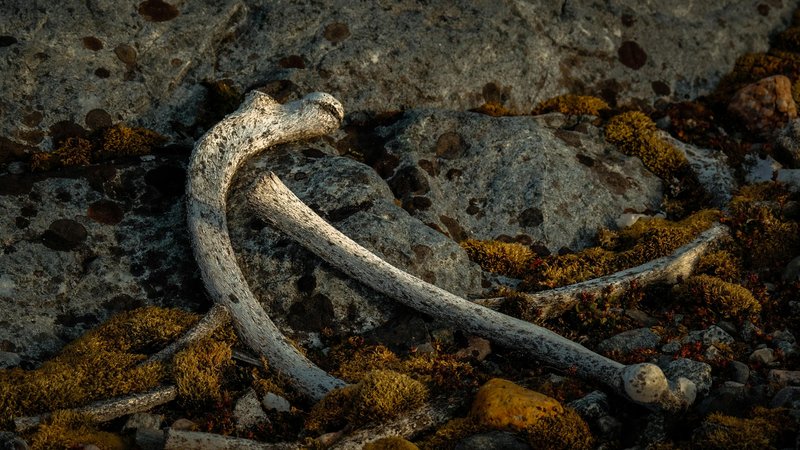
When bones are cooked, they lose moisture and become brittle. This brittleness causes them to splinter into sharp, jagged shards rather than bending or breaking cleanly. As veterinarians consistently warn, cooked bones can be deadly for dogs and should never be offered under any circumstances.
Raw turkey bones are a different matter, though they still require careful consideration. Some raw feeders do incorporate raw poultry bones into their dogs’ diets, arguing they are softer and more pliable. However, even raw bones carry risks of bacterial contamination and choking, particularly for inexperienced or aggressive chewers.
Turkey meat itself, when boneless and unseasoned, is actually a nutritious protein source. Research notes that turkey is higher in selenium, iron, and zinc compared to chicken, making it a valuable dietary option when served safely.
Recognizing Symptoms of Bone-Related Injuries and Blockages
If your dog has swallowed a turkey bone, time is critical. Knowing the warning signs allows you to act before a manageable situation becomes a crisis.
Common symptoms of a bone-related injury or blockage include excessive drooling, gagging, retching, or repeated attempts to vomit without producing anything. Your dog may also appear restless, uncomfortable, or refuse to eat.
More serious signs include a visibly bloated or distended abdomen, bloody stool, lethargy, or signs of acute pain when the belly is touched. Any of these symptoms warrant an immediate call to your veterinarian or emergency animal clinic.
Breed-Specific Vulnerabilities and Risk Factors
While all dogs face risks from turkey bones, certain breeds and individual characteristics can increase the danger significantly. Smaller breeds have narrower digestive tracts, making blockages far more likely from even a modest bone fragment.
Brachycephalic breeds, such as Bulldogs and Pugs, face additional challenges due to their shortened airways, which makes choking incidents more difficult to manage. Senior dogs or those with pre-existing gastrointestinal conditions are also at heightened risk.
Highly food-motivated dogs and aggressive chewers are more likely to swallow large fragments without adequate chewing. Knowing your dog’s eating habits and tendencies is an essential part of making safe feeding decisions.
Safe Alternatives and Prevention Strategies During Holiday Meals
Keeping your dog safe during holiday meals starts with a clear plan. Remove turkey bones from the table and place them directly into a sealed trash bag or container that your dog cannot access.
If you want to include your dog in the holiday feast, offer plain, boneless, skinless turkey meat in small amounts. Avoid any pieces seasoned with garlic, onion, or heavy spices, all of which are toxic to dogs.
For dogs who enjoy chewing, consider veterinarian-approved chew alternatives such as bully sticks, dental chews, or specially designed rubber toys. If you are exploring a broader raw or natural diet, options like homemade raw dog food for large breeds can provide structure and safety around bone inclusion.
Educating every member of your household, including guests, about the no-bones rule is just as important as the precautions you take yourself. A well-meaning visitor slipping your dog a turkey leg could undo every safeguard you have put in place.
Your dog’s safety is always worth more than a moment of holiday indulgence. With the right alternatives and a little preparation, both you and your dog can enjoy the celebration without a trip to the emergency clinic.