A Dangerous Fungal Disease Is Threatening Dogs and the Symptoms Are Often Overlooked
Most dog owners are on the lookout for the usual health concerns, ticks, parasites, the occasional upset stomach, but there is a lesser-known threat lurking in the ground beneath your dog’s paws. Blastomycosis is a serious and potentially life-threatening fungal infection that does not get nearly enough attention from the general public. Understanding what it is and how to spot it early could genuinely make the difference between life and death for your furry family member. The good news is that awareness alone goes a long way.
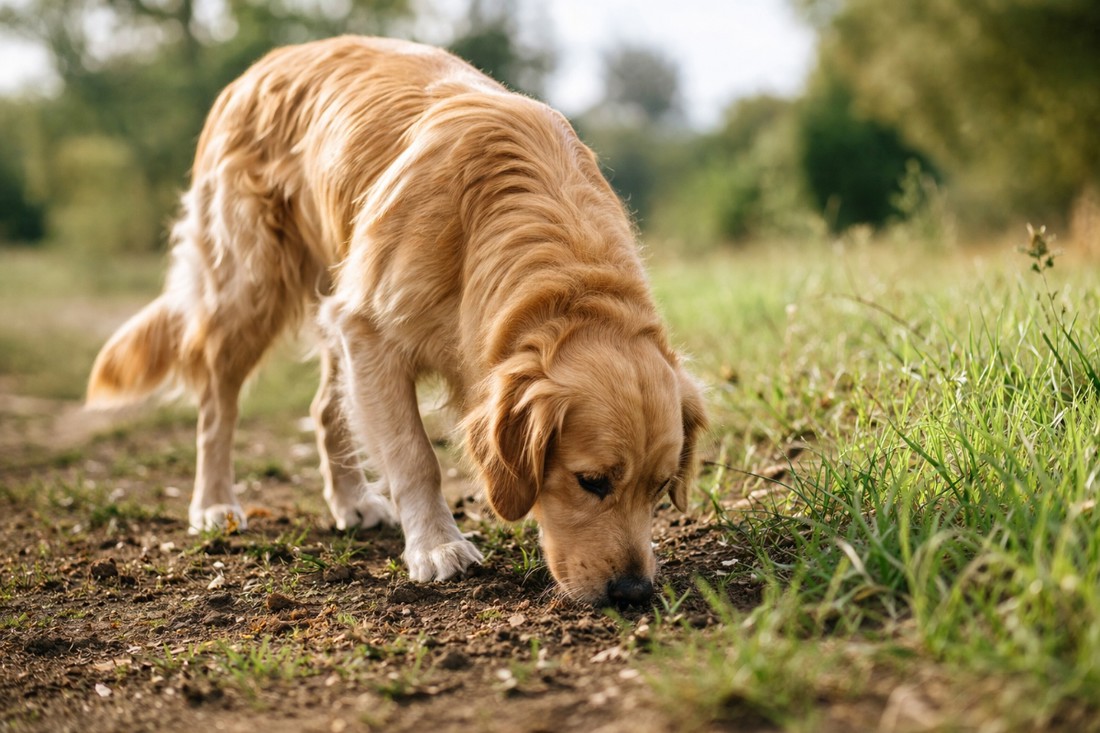
Blastomycosis is caused by a fungus that occurs naturally in soil, and infection happens when a dog inhales microscopic spores from contaminated ground. Those spores travel into the lungs, where they can take hold and begin to multiply. Dogs that spend a lot of time outdoors, especially those that love to dig around in damp or moist soil, face the greatest risk of exposure. Once the fungus establishes itself in the body, it can spread beyond the lungs and affect multiple organ systems, turning what might look like a mild illness into something far more serious.
Dr. Abby Ostronic from the Veterinary Specialty Center in Chicago points out that not every dog that encounters the fungus will necessarily fall ill. Still, she stresses that since there is no vaccine available and no reliable way to prevent exposure, recognizing the warning signs as early as possible is absolutely critical. That is where dog owners truly have a role to play. Paying close attention to changes in your dog’s behavior and physical condition can be a life-saving habit.
The symptoms of blastomycosis in dogs can be easy to dismiss, especially in the early stages when they look a lot like a common respiratory bug. A persistent dry or irritating cough, unusual tiredness, reduced appetite, and a mild fever are among the first things to watch for. As the infection progresses, owners might notice their dog limping without an obvious reason, or developing changes in the eyes such as redness, swelling, or even partial loss of vision. Skin-related signs can also appear, including lesions or sores that produce discharge, which often leads owners to suspect an entirely different condition.
If any combination of these symptoms shows up in your dog, especially after time spent outdoors in wooded or wet areas, getting to a vet quickly is essential. Blastomycosis is often diagnosed through a urine test, which makes the process relatively straightforward once a vet suspects it. The earlier the infection is caught, the better the chances of a full recovery. Waiting it out or assuming symptoms will pass on their own is a risk that is simply not worth taking when it comes to this particular disease.
Since there is no preventive vaccine for blastomycosis, staying informed and alert is truly the most powerful tool dog owners have right now. Keep a close eye on your dog after outdoor adventures, especially in humid or heavily wooded environments. Your dog cannot tell you something is wrong, so it is up to you to notice the signs before they get worse. Treatment does exist and can be effective, but time is a major factor in how well a dog responds.
If your dog has ever dealt with blastomycosis or you have tips on keeping dogs safe from fungal infections, share your experience in the comments.