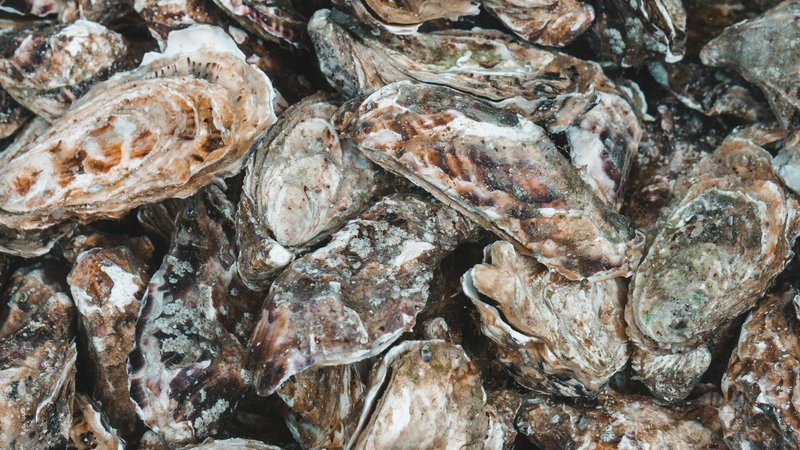
Can Dogs Eat Oysters? Safety Guide for Pet Owners
Oysters are packed with nutrients and celebrated as a superfood for humans, but the question of whether they belong in your dog’s bowl is more nuanced than a simple yes or no.
The short answer is yes — dogs can eat oysters in moderation. However, preparation method, sourcing, and your dog’s individual health all play a critical role in whether this shellfish is safe or potentially harmful.
Nutritional Benefits of Oysters for Dogs
Oysters are genuinely impressive from a nutritional standpoint. They deliver a concentrated dose of protein, omega-3 fatty acids, zinc, selenium, and iron — all of which support a dog’s overall health.
Omega-3 fatty acids found in oysters help reduce chronic inflammation, which is especially valuable for dogs with joint issues or skin conditions. Research into essential fatty acids and inflammation confirms their role in managing inflammatory responses in companion animals.
Zinc supports immune function, wound healing, and healthy skin. According to information on zinc supplementation, even modest amounts contribute meaningfully to cellular repair and immune defense.
Selenium is another standout mineral in oysters. The NIH selenium factsheet notes it acts as a powerful antioxidant that protects cells from oxidative damage — a benefit that extends to dogs as well. Iron, meanwhile, supports red blood cell production and energy metabolism, as outlined in the NIH iron consumer guide.
Health Risks and Safety Concerns
Despite the nutritional upside, oysters carry real risks that every dog owner should understand before sharing them.
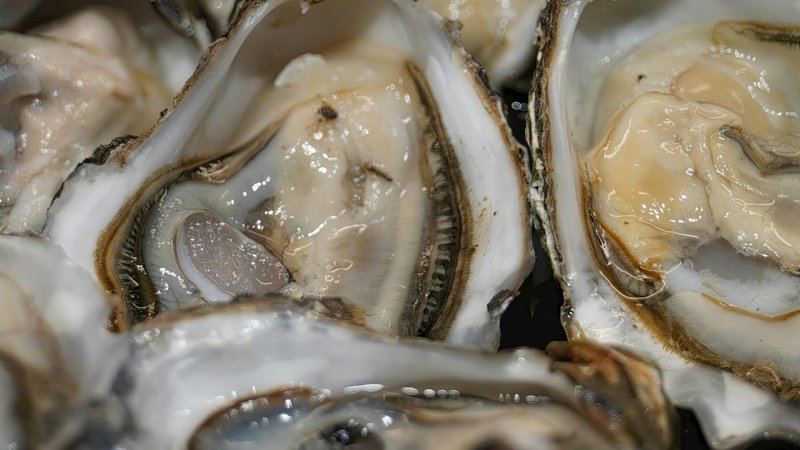
Raw oysters are a significant concern. They can harbor harmful bacteria like Vibrio vulnificus and Salmonella, which can cause serious gastrointestinal illness in dogs, including vomiting, diarrhea, and lethargy.
Sodium content is another factor to watch carefully. Six oysters alone contain approximately 180–240 mg of sodium, and while dietary guidelines for adult humans cap daily intake at under 2,300 mg, dogs have a much lower sodium tolerance. Even small amounts of excess sodium can lead to increased thirst, bloating, or in severe cases, sodium ion poisoning.
Dogs with shellfish allergies, kidney disease, or heart conditions should avoid oysters entirely. Always consult your veterinarian before introducing any new protein source, particularly one as mineral-dense as oysters.
Proper Preparation and Portion Guidelines
If your vet gives the green light, preparation is everything. Always serve oysters fully cooked — steamed or boiled with no added salt, butter, garlic, or seasoning of any kind.
Remove the shell completely before serving. Oyster shells are sharp and can cause oral injuries, esophageal damage, or intestinal blockages.
Portion size should be small. One or two plain, cooked oysters as an occasional treat is appropriate for most medium to large dogs. Smaller breeds should receive even less. For dogs already eating a varied diet — such as those on homemade raw dog food for large breeds — careful mineral balancing becomes especially important to avoid over-supplementation.
Bacterial Contamination and Toxin Testing Standards

Shellfish sourcing matters enormously when it comes to toxin exposure. Oysters filter large volumes of seawater and can accumulate harmful biotoxins from their environment, including neurotoxic shellfish poisoning (NSP) toxins.
Modern testing methods help identify these risks. According to shellfish toxicity testing research, ELISA testing has proven more sensitive than traditional mouse bioassay methods for detecting NSP toxins in Eastern oysters, with LC-MS providing highly specific toxin identification when appropriate standards are applied.
For dog owners, this means sourcing oysters only from reputable, commercially regulated suppliers. Avoid feeding oysters harvested from unknown or potentially polluted coastal waters, as depurated seafood — a product cleansed from the inside out — represents a safer option when available.
Safe Seafood Alternatives and Veterinary Consultation
If you’re unsure about oysters or your dog has a sensitive stomach, there are other seafood options worth exploring. Plain, cooked fish like salmon or sardines deliver similar omega-3 benefits with fewer preparation concerns.
For dogs that enjoy variety in their protein sources, tuna in spring water is another option that many dogs tolerate well when served in moderation.
No matter which seafood you choose, a conversation with your veterinarian remains the most important step. Every dog has unique dietary needs, and what works brilliantly for one may cause problems for another.