Can Dogs Eat Mushrooms? Safety Guide for Pet Owners
Mushrooms are a tricky topic for dog owners. Some are perfectly harmless, while others can cause life-threatening organ failure within hours of ingestion.
The challenge is that dogs don’t discriminate. They’ll sniff out and swallow a wild mushroom on a morning walk without a second thought, leaving you scrambling for answers.
Understanding exactly which mushrooms pose a risk — and which don’t — could genuinely save your dog’s life.
Safe Store-Bought Mushrooms for Dogs
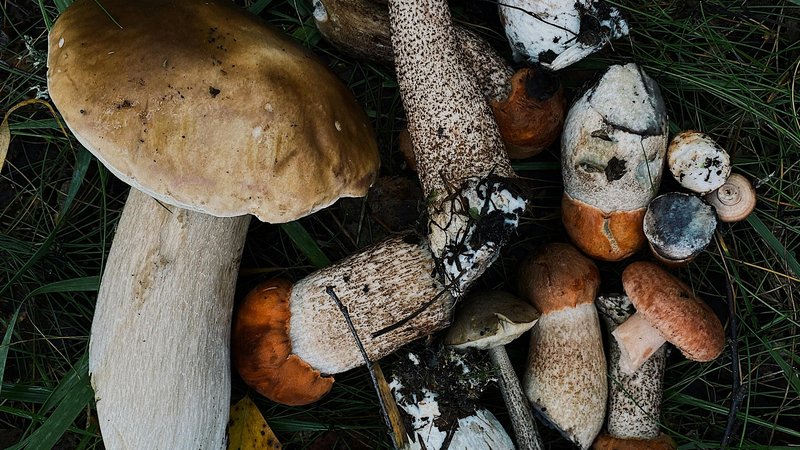
The good news is that plain, store-bought mushrooms are generally safe for dogs in small amounts. Varieties like white button, cremini, portobello, and shiitake mushrooms are non-toxic when served plain and cooked.
Cooking is important because it breaks down tough cell walls, making nutrients more bioavailable and easier on your dog’s digestive system. Always skip the seasonings, garlic, onions, or butter that often accompany human mushroom dishes — those additions are the real danger.
Mushrooms offer trace amounts of B vitamins, antioxidants, and minerals. They’re not a nutritional necessity for dogs, but an occasional small piece won’t cause harm. If you’re curious about other foods worth adding to your dog’s diet, chia seeds for dogs are another nutrient-dense option worth exploring.
Toxic Mushroom Species and Identification
Wild mushrooms are an entirely different story. Roughly 100 mushroom species are known to be toxic to mammals, and several of them are deadly even in tiny quantities.
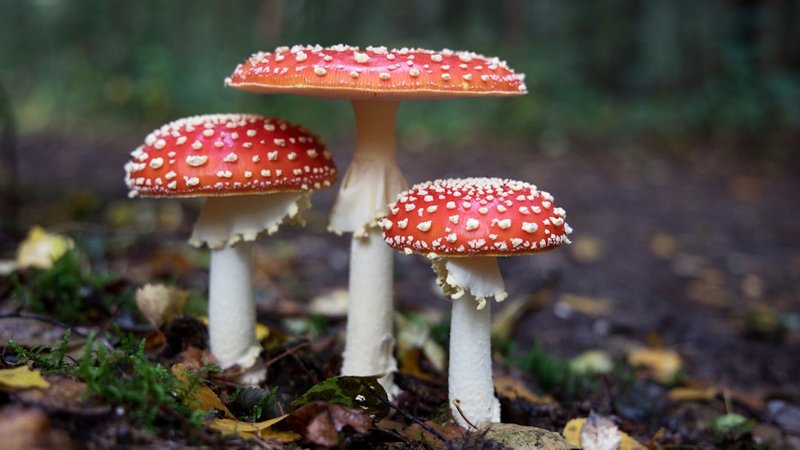
The Amanita phalloides, commonly called the Death Cap, is responsible for the majority of fatal mushroom poisonings worldwide. It contains amatoxins that destroy liver and kidney cells rapidly.
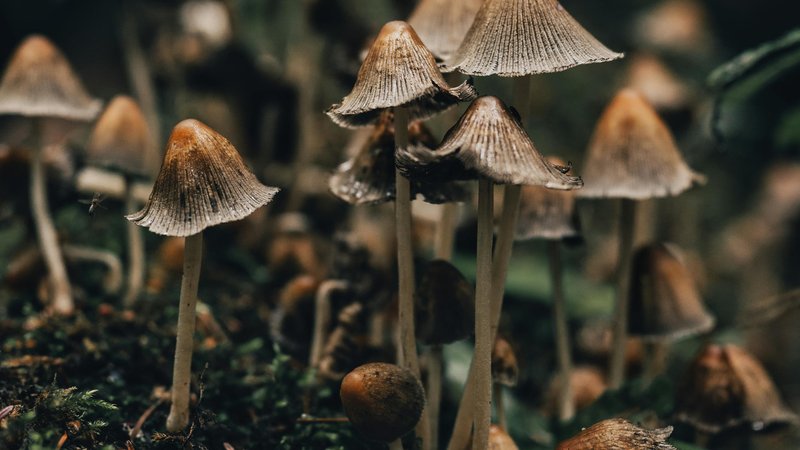
Another serious offender is Galerina marginata, a small, brown to orange-brown mushroom that grows on decaying wood. Its rusty brown gills make it difficult to distinguish from harmless species, and as detailed in this poisonous mushroom identification guide, foragers and pet owners should avoid all small brown mushrooms unless absolutely certain of the species.
Inocybe and Clitocybe species contain muscarine, which causes excessive salivation, urination, and neurological symptoms. These mushrooms are frustratingly common in lawns and wooded areas across North America and Europe.
Recognizing Mushroom Poisoning Symptoms in Dogs
Symptoms of mushroom poisoning in dogs vary dramatically depending on the species consumed. Some toxins act within 30 minutes, while others — particularly amatoxins — may not produce visible symptoms for 6 to 24 hours.
Early warning signs include vomiting, diarrhea, drooling, lethargy, and loss of coordination. More severe poisoning can progress to jaundice, seizures, tremors, and complete organ failure.
One reason dogs can be more severely affected than humans by the same mushroom is rooted in interspecies pharmacokinetic differences — meaning dogs metabolize and eliminate toxins differently, often making identical exposures far more dangerous for them.
Emergency Response and Veterinary Care
If you suspect your dog has eaten a wild mushroom, treat it as an emergency. Don’t wait for symptoms to appear — call your veterinarian or the ASPCA Animal Poison Control Center immediately.
If possible, collect a sample of the mushroom your dog ate, ideally in a paper bag or wrapped in a damp paper towel. A photo with surrounding context can also help a veterinarian or mycologist identify the species quickly.
At the clinic, treatment may include inducing vomiting, IV fluids, and the administration of activated charcoal. According to clinical research on activated charcoal, it works by binding toxins in the gastrointestinal tract to reduce systemic absorption — and it’s most effective when given as soon as possible after ingestion.
Prevention Strategies and Yard Management
The most effective strategy is prevention. Walk your yard regularly and remove any wild mushrooms you find before your dog has a chance to encounter them. Always wear gloves when handling wild mushrooms.
On walks, keep your dog on a leash in wooded or grassy areas where mushrooms are likely to grow. Training a reliable “leave it” command is one of the most valuable safety tools you can give a dog who tends to forage.
Environmental hazards extend beyond the backyard — if you travel with your pet, being aware of outdoor risks at your destination matters too. Hidden dangers in unfamiliar spaces are covered well in this guide to travel toxins pet owners often miss when booking rentals.
When in doubt about any wild mushroom, the safest rule is simple: assume it’s toxic. No curiosity is worth the risk.