
17 Low Maintenance Exotic Pets for Beginners
Not everyone wants a dog or a cat — and that’s perfectly okay. The world of exotic pets is surprisingly accessible, even for complete beginners with no prior experience.
Many of these animals are quiet, compact, and genuinely easy to care for once you understand their basic needs. Some are even ideal for people with allergies, since reptiles and amphibians produce no dander the way cats and dogs do.
What surprises most first-time exotic pet owners is the sheer variety of personalities and lifespans involved. Many of these animals are long-term companions — some unique exotic pets live as long as, or even longer than, a typical dog or cat.
If you’ve ever been curious about keeping something a little different, this list of unusual mini pets is a great place to start your journey.
1. Leopard Geckos
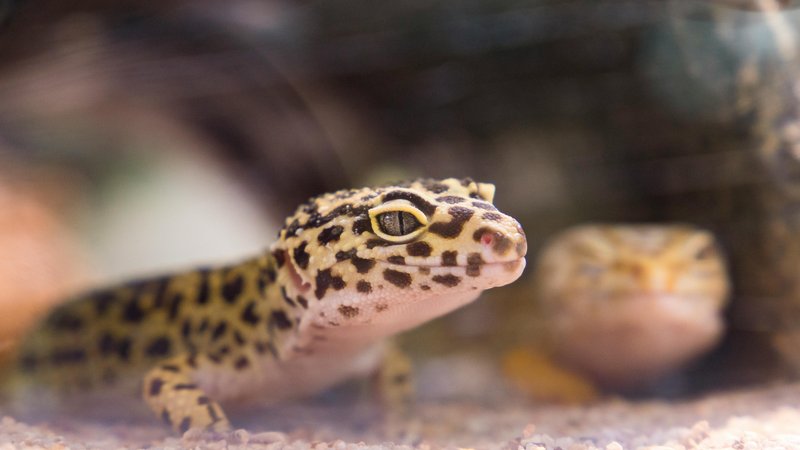
Leopard geckos are one of the most recommended starter reptiles for a reason. They are docile, slow-moving, and thrive in simple enclosures without complex lighting requirements.
- Key Detail: They don’t need UVB lighting, making their setup far simpler than most reptiles.
- Important Note: Lifespan reaches 15–20 years, so this is a genuine long-term commitment.
2. Corn Snakes
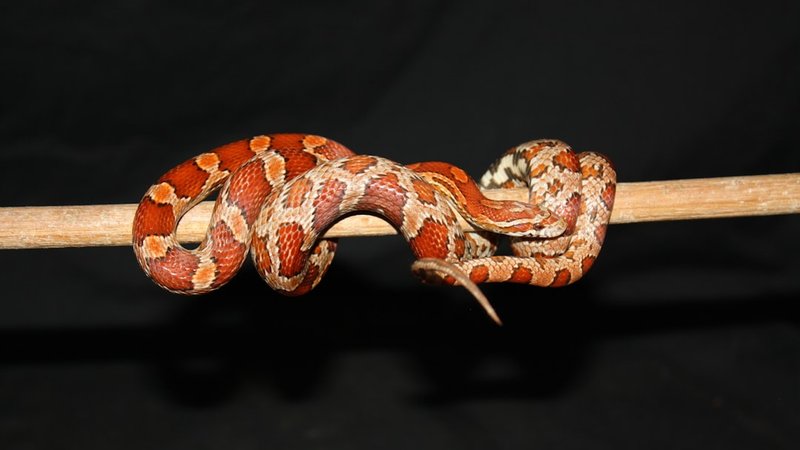
Corn snakes are widely regarded as the perfect beginner snake. They are slender, non-venomous, and remarkably tolerant of handling once they’ve settled into their new home.
- Key Detail: They eat pre-frozen mice, which makes feeding safe and straightforward.
- Important Note: A secure lid is essential — corn snakes are skilled escape artists.
3. Hedgehogs
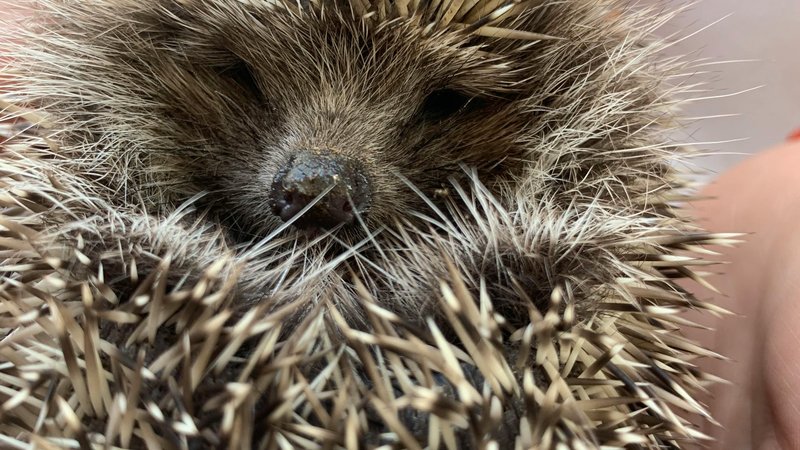
Hedgehogs are solitary, low-odor animals that do well in modest living spaces. According to veterinary guidance from the University of Illinois, they require a wheel for exercise and a diet of high-quality cat food supplemented with insects.
- Key Detail: They are nocturnal, so they are most active in the evening hours.
- Important Note: Hedgehogs are illegal in some U.S. states — always check local laws first.
4. Bearded Dragons
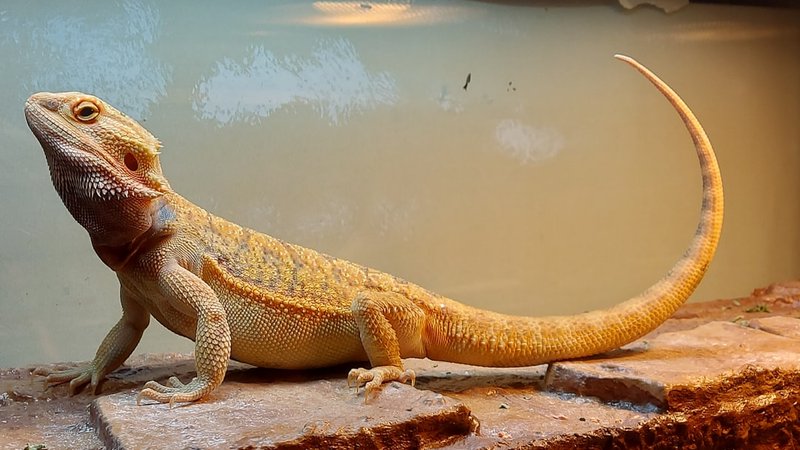
Bearded dragons are famously friendly and interactive, making them one of the most popular exotic pets for families. They enjoy being handled and often develop recognizable personalities over time.
- Key Detail: They need both UVB lighting and a basking spot, with most reptiles requiring temperatures between 70–85°F and basking areas over 100°F.
- Important Note: A varied diet of greens and live insects keeps them healthy long-term.
5. Crested Geckos
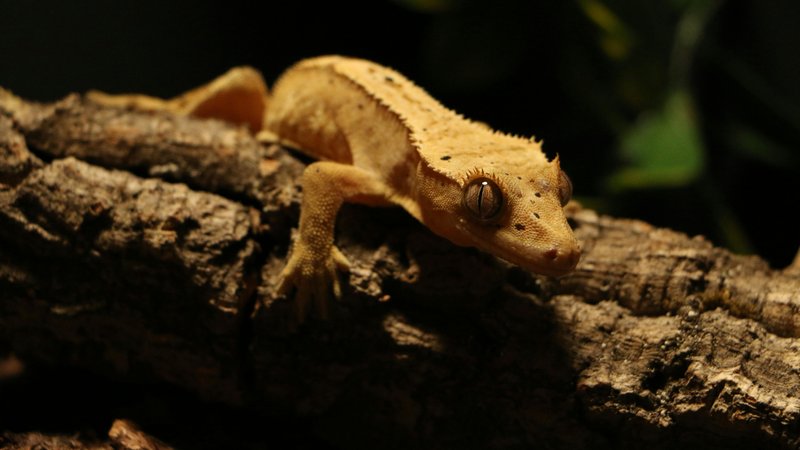
Crested geckos are incredibly forgiving pets that tolerate room temperature well without specialized heating in most climates. They are arboreal, so a tall enclosure with climbing branches is ideal.
- Key Detail: Commercial crested gecko diet powder simplifies feeding considerably.
- Important Note: They can drop their tails if stressed, and unlike leopard geckos, the tail does not regrow.
6. Ball Pythons
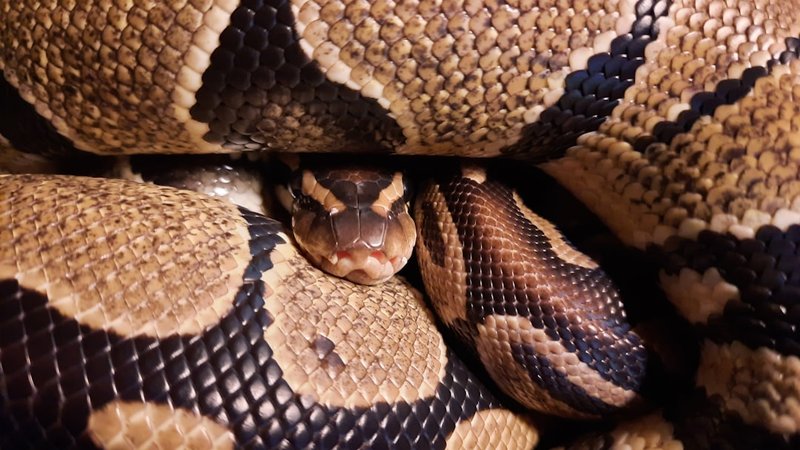
Ball pythons are calm, compact, and content in modest enclosures. They curl into a tight ball when nervous — which is where their name comes from — but tame individuals rarely display this behavior.
- Key Detail: They only need feeding once every one to two weeks as adults.
- Important Note: Humidity must be maintained at 60–80% to support healthy shedding.
7. Chinchillas
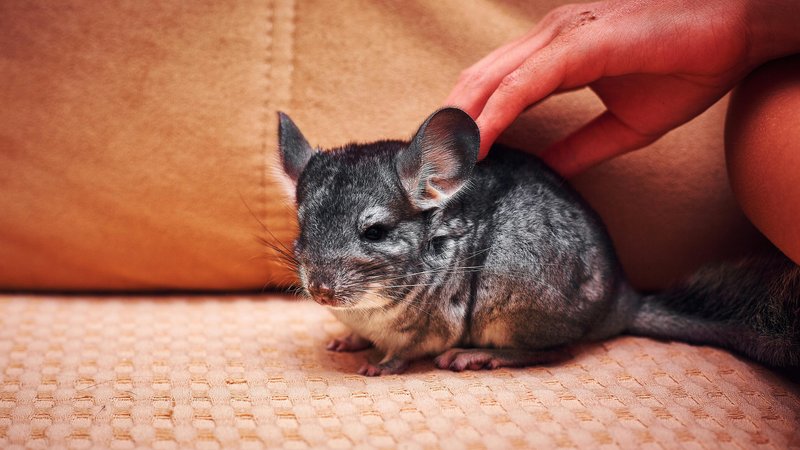
Chinchillas are soft, playful, and surprisingly long-lived exotic pets. As noted by exotic pet experts at The Spruce Pets, they can live 10–15 years with proper care and a cool, dust-bath-friendly environment.
- Key Detail: They require dust baths several times a week to maintain their dense fur.
- Important Note: Chinchillas are sensitive to heat — keep their environment below 75°F.
8. Rats
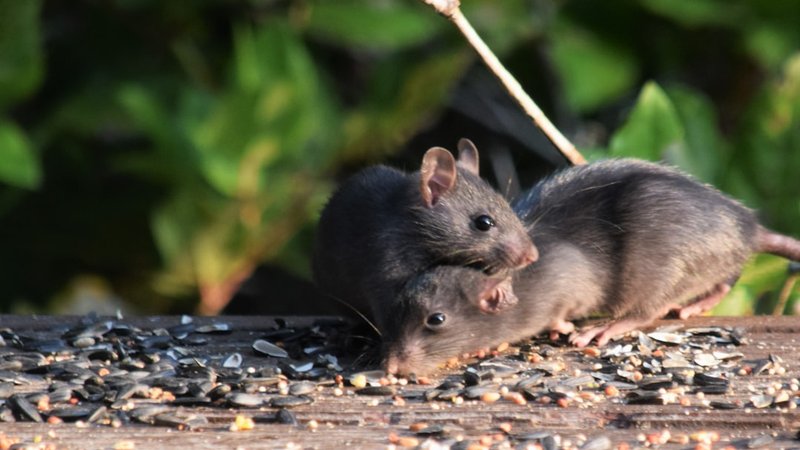
Domestic rats are among the most intelligent small pets available and form genuine bonds with their owners. They are clean, trainable, and far more social than most people expect.
- Key Detail: Rats should be kept in same-sex pairs or groups to prevent loneliness.
- Important Note: Their lifespan is 2–3 years, which is shorter than many other exotic pets on this list.
9. Hermit Crabs
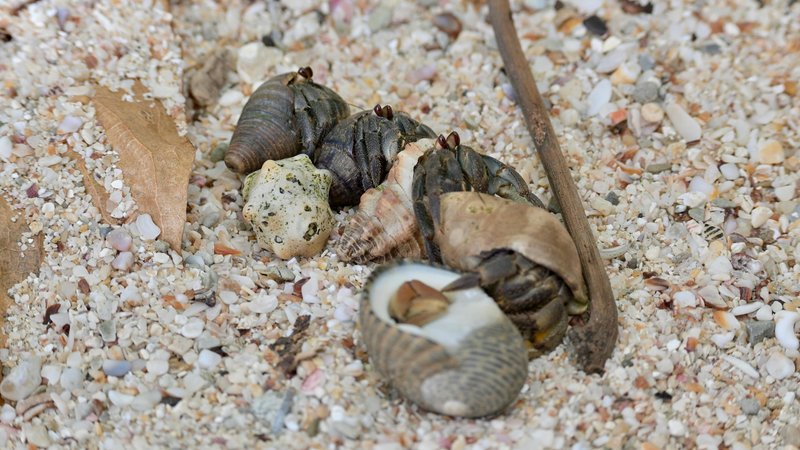
Hermit crabs are quiet, fascinating, and relatively inexpensive to house. They are social animals that do best when kept in small groups with access to multiple spare shells for swapping.
- Key Detail: They need both saltwater and freshwater dishes available at all times.
- Important Note: With ideal care, hermit crabs can live over 10 years in captivity.
10. Tarantulas
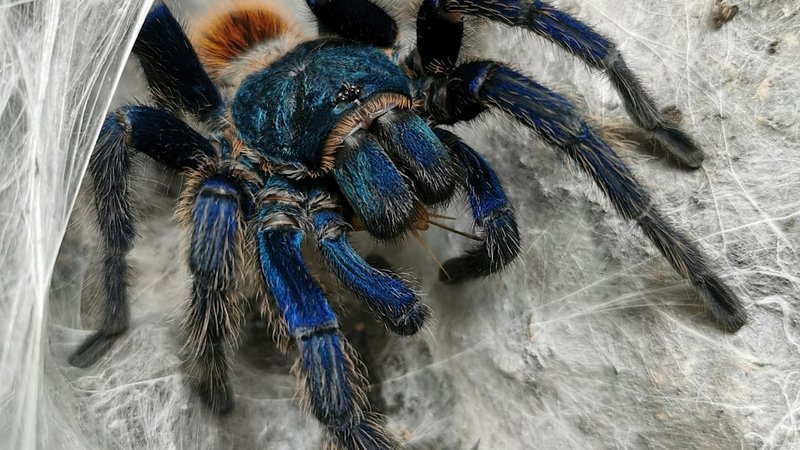
Tarantulas are arguably the lowest-maintenance exotic pets on this entire list. They eat infrequently, require minimal space, and are completely silent. According to entomologists who study beginner arthropod pets, docile species like the Chilean rose hair are ideal starting points.
- Key Detail: Many species only need feeding once every one to two weeks.
- Important Note: Always research species temperament — some are defensive and not suited for beginners.
11. Axolotls
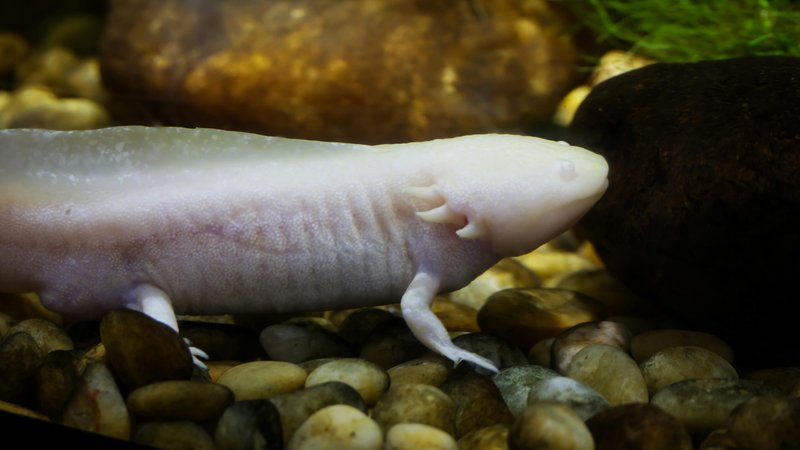
Axolotls are fully aquatic salamanders with an otherworldly appearance and a surprisingly calm temperament. They don’t require land areas, just a well-filtered tank with cool, clean water.
- Key Detail: Water temperature must stay between 60–68°F — they do not tolerate heat well.
- Important Note: Axolotls are critically endangered in the wild, so always source captive-bred individuals.
12. Dubia Roaches
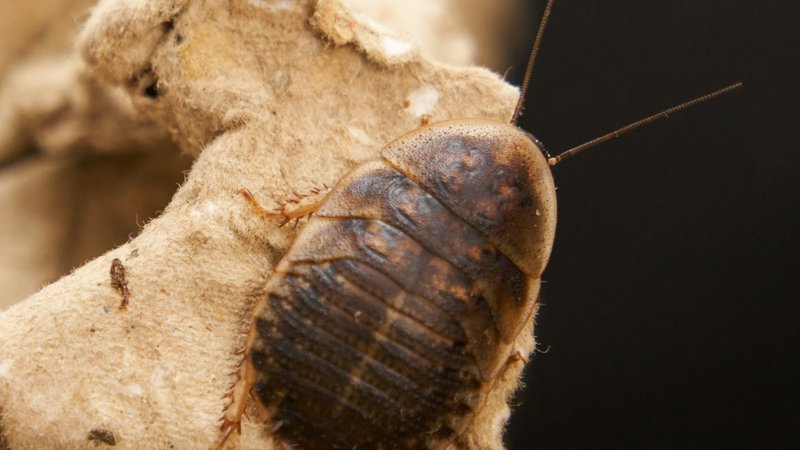
Dubia roaches are kept as both feeder insects and surprisingly interesting display pets. They are odorless, cannot climb smooth surfaces, and don’t make noise — making them genuinely apartment-friendly.
- Key Detail: They thrive on fruit, vegetables, and dry grain-based foods.
- Important Note: Dubia roaches are illegal in Florida due to invasive species concerns — verify your local laws.
13. Anoles
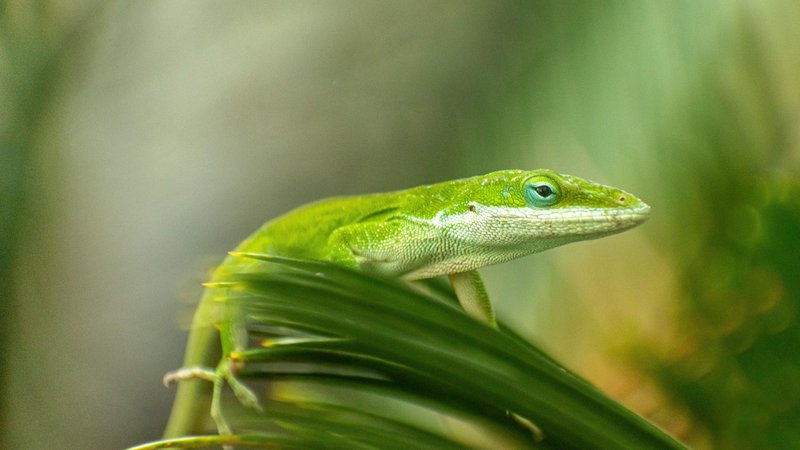
Green anoles are small, active lizards that are widely available and inexpensive to set up. Males display a colorful dewlap under their chin, making them entertaining to observe throughout the day.
- Key Detail: They need UVB lighting and a humid enclosure with live or artificial plants.
- Important Note: Anoles are better as display pets than handling pets — they stress easily when held.
14. Guinea Pigs
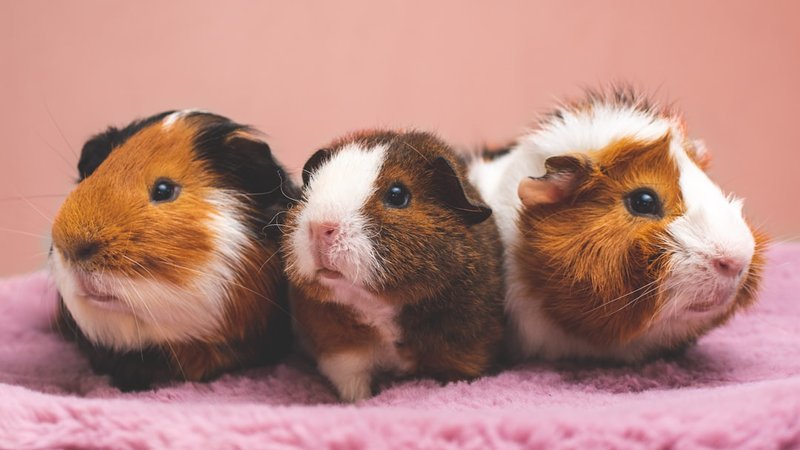
Guinea pigs are gentle, vocal, and wonderfully expressive small animals. They are one of the most beginner-friendly exotic pets for households with children, thanks to their calm and predictable temperament.
- Key Detail: They require daily fresh vegetables, especially vitamin C-rich foods, as they cannot produce it naturally.
- Important Note: Guinea pigs are highly social and should always be kept in pairs or small groups.
15. Millipedes
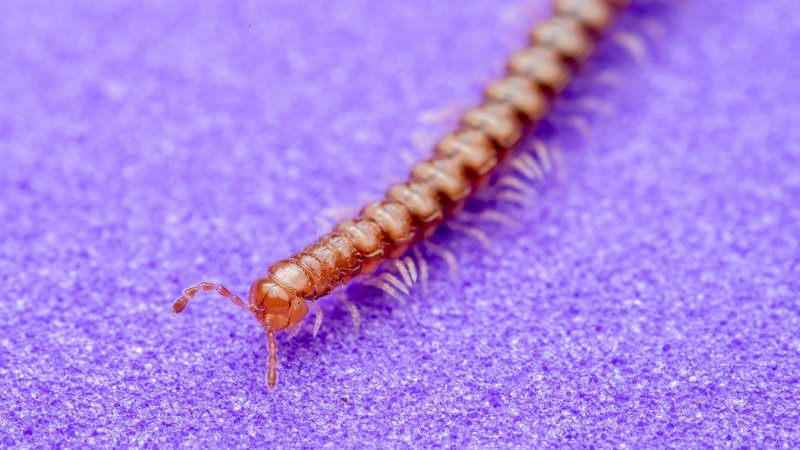
Giant millipedes, such as the African giant millipede, are peaceful, slow-moving invertebrates that are fascinating to observe and handle. They require very little space and are almost entirely odorless.
- Key Detail: They feed primarily on decaying leaf litter, fruits, and vegetables.
- Important Note: Some species secrete mild irritants — wash your hands after handling as a precaution.
16. Tree Frogs
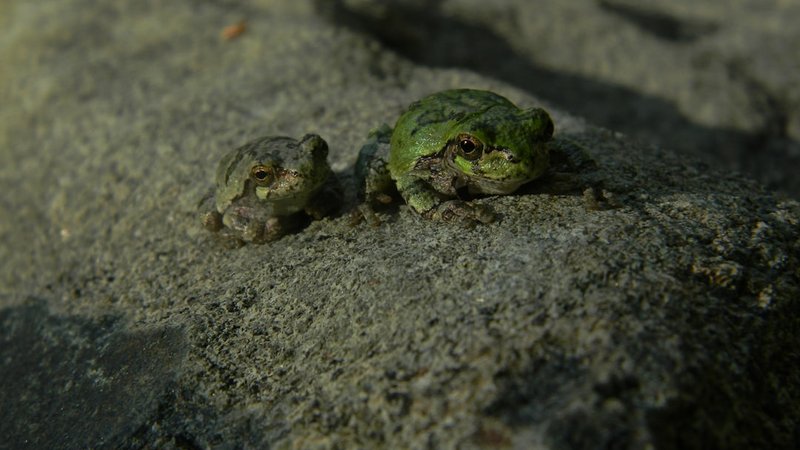
Tree frogs like White’s tree frogs are charming, hardy, and one of the more personable amphibian options for beginners. They are nocturnal and most active in the evening, making them great for night-owl owners.
- Key Detail: Humidity and temperature control are critical — a consistent warm, humid enclosure is essential.
- Important Note: Always wash hands before and after handling, as skin oils can harm amphibians.
17. Uromastyx Lizards
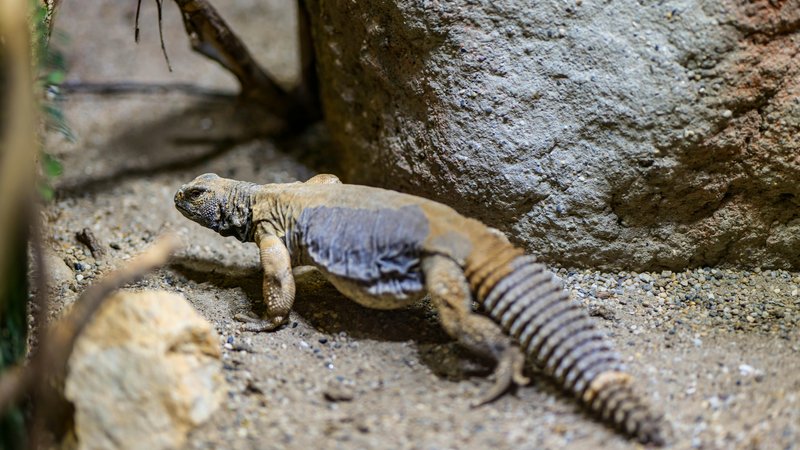
Uromastyx lizards are heat-loving, herbivorous reptiles that are surprisingly easy to feed. Unlike many lizards, they don’t require live insects — seeds, greens, and vegetables make up the bulk of their diet.
- Key Detail: They need extremely hot basking spots, often exceeding 120°F, to digest food properly.
- Important Note: Their calm, curious nature makes them one of the most underrated beginner reptiles available.
Legal Considerations and Sourcing Before You Commit
Before purchasing any exotic pet, researching your local and state laws is non-negotiable. Many species on this list — including hedgehogs, chinchillas, and certain reptiles — are restricted or outright banned in specific regions.
Always source your exotic pet from a reputable, captive-bred breeder rather than wild-caught suppliers. Wild-caught animals carry higher stress levels, potential parasites, and contribute to conservation concerns for vulnerable species.
Connecting with a local exotic animal veterinarian before bringing your new pet home is strongly advisable. Not all vets treat exotic species, so identifying an experienced specialist in advance ensures you’re prepared for routine check-ups and emergencies alike.
If you’re still weighing whether an exotic pet or a more traditional companion is the right fit, exploring options like calm dog breeds for first-time owners may help you make the most informed decision for your lifestyle.