Can Dogs Eat Cashews? Safety Guide for Pet Owners
You’re snacking on cashews and your dog is giving you those irresistible eyes. It’s a familiar moment for most pet owners, and it raises a very reasonable question about whether sharing is actually safe.
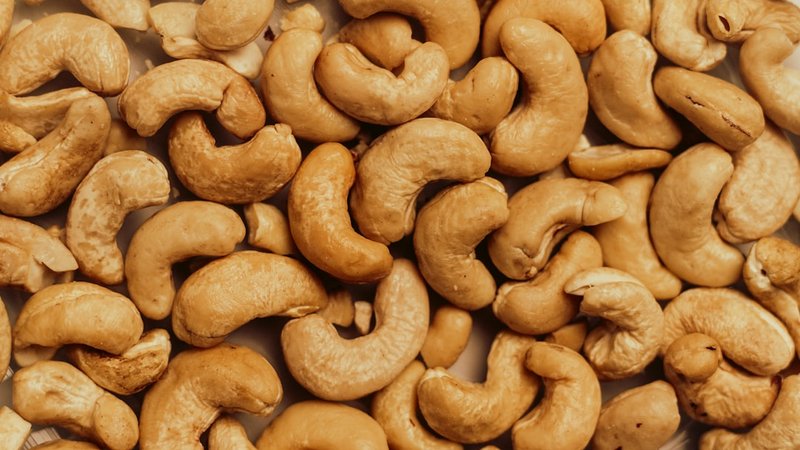
The short answer is that cashews are not toxic to dogs in the way that macadamia nuts or walnuts are. However, that doesn’t mean they’re a worry-free snack, and there are several important factors every owner should understand before offering one.
Nutritional Profile and Health Benefits of Cashews for Dogs
Cashews contain a range of nutrients that can offer some benefit to dogs in very small amounts. These include magnesium, zinc, iron, and antioxidants that support immune function and cellular health.
They also contain healthy unsaturated fats and a modest amount of protein. For dogs who need a quick energy boost or an occasional treat, a single cashew can seem like a reasonable choice.
That said, the nutritional upsides are minor compared to what a complete, balanced dog food already provides. Cashews should never be viewed as a dietary supplement or a regular addition to your dog’s meals.
Safety Considerations: Fat Content and Pancreatitis Risk
Cashews are among the higher-fat nuts available, and that fat content is one of the primary concerns for dogs. Diets high in fat can trigger pancreatitis, a painful and potentially serious inflammation of the pancreas.
Dogs who are already overweight face an elevated risk. According to canine obesity data, excess body weight significantly increases a dog’s vulnerability to digestive and metabolic conditions, including pancreatitis triggered by fatty foods.
Even in healthy dogs, too many cashews in one sitting can cause vomiting, diarrhea, or general stomach upset. Moderation is not just recommended — it’s essential.
Preparation Methods and Safe Serving Guidelines
If you decide to offer your dog a cashew, preparation matters enormously. According to nut safety for pets, raw cashews should be avoided entirely because raw nuts contain compounds that are harder to digest and can increase the likelihood of stomach upset.
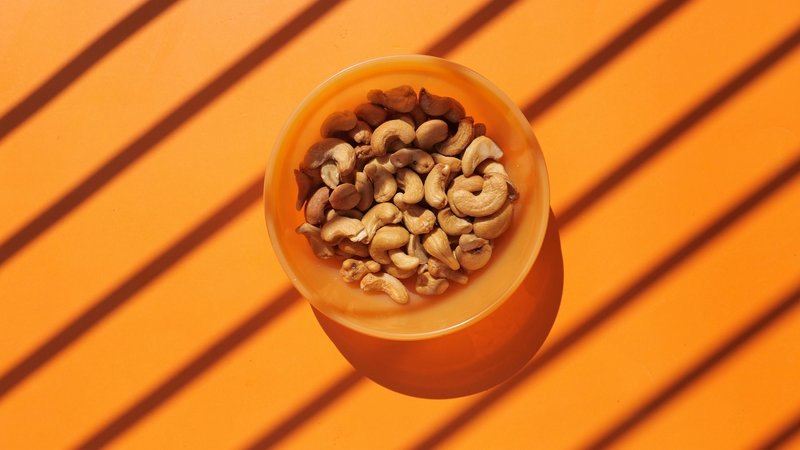
Always choose plain, roasted cashews with no added salt, seasoning, sugar, or coatings. Flavored varieties, including honey-roasted or spiced cashews, contain ingredients that can be harmful to dogs.
A safe serving is one to two plain cashews for a medium to large dog, offered only occasionally. If you’re also exploring other seeds and nuts for your dog’s diet, sesame seeds for dogs are another option worth understanding before adding to their meals.
Age and Breed-Specific Recommendations for Cashew Consumption
A dog’s age and size play a real role in how well they can handle occasional treats like cashews. According to senior dog age thresholds, large breeds are considered seniors at just 8 years old, while giant breeds reach senior status around 7.
Senior dogs tend to have slower metabolisms and are more prone to weight gain and digestive sensitivity. High-fat treats like cashews are best avoided or severely limited in older animals.
Small breeds are also more vulnerable because even a small amount of fat represents a proportionally larger dietary impact. For a comprehensive look at which nuts pose serious risks, nuts that are toxic to dogs is a useful reference for any dog owner.
Potential Hazards and When to Seek Veterinary Care
Beyond fat and digestive concerns, there are a few other hazards to keep in mind. Cashews are a known allergen in some dogs, and even a first-time exposure can trigger a reaction that ranges from mild itching to facial swelling.
Whole cashews can also present a choking hazard for small dogs, and the high phosphorus content may be problematic for dogs with kidney disease. Always consult your vet before introducing any new food to a dog with existing health conditions.
Call your veterinarian promptly if your dog eats a large quantity of cashews, shows signs of vomiting, lethargy, abdominal pain, or swelling around the face or throat. These symptoms can escalate quickly and warrant professional attention.
When in doubt, stick to treats that are specifically formulated for dogs. A single cashew shared occasionally with a healthy adult dog is unlikely to cause harm, but it should never become a habit or a replacement for nutritionally appropriate snacks.