
Can Dogs Eat Almonds? Safety Guide for Pet Owners
You’re snacking on a handful of almonds and your dog is staring up at you with those irresistible eyes. It’s tempting to share, but before you do, it’s worth understanding what almonds actually do to a dog’s body.
The short answer is that almonds are not recommended for dogs. While they are not classified as acutely toxic the way some other nuts are, they still carry real risks that every pet owner should know about.
Why Almonds Pose Risks to Dogs Despite Not Being Toxic
Almonds occupy a complicated middle ground. They won’t cause immediate poisoning in most cases, but they are far from a safe snack.
Dogs simply lack the digestive enzymes needed to break down almonds efficiently. This makes even a small amount potentially problematic, especially for smaller breeds or dogs with sensitive stomachs.
It’s also worth noting that many nuts are toxic to dogs when ingested whole and uncooked. Macadamia nuts, for instance, are severely toxic. Almonds may not reach that level, but their risks are still significant enough to avoid them altogether.
Choking Hazards and Digestive Obstruction Concerns
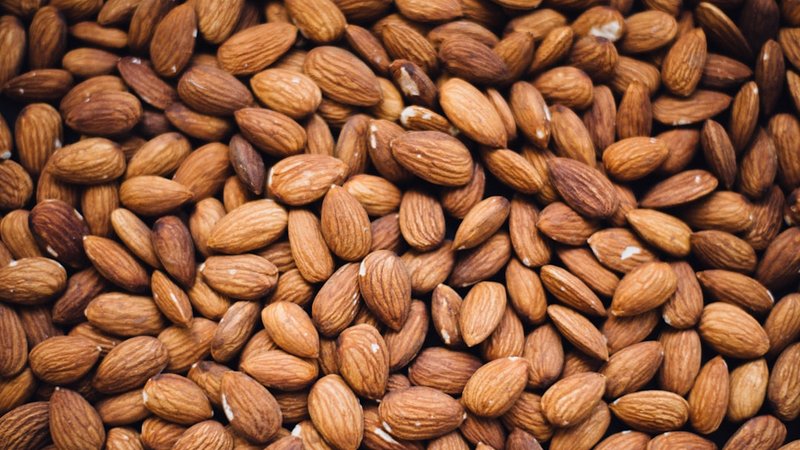
The size and shape of an almond make it a genuine choking hazard, particularly for small dogs. Even in larger breeds, almonds can lodge in the esophagus or intestinal tract.
An intestinal blockage is a serious medical emergency. Signs include vomiting, loss of appetite, lethargy, and obvious discomfort. If left untreated, it can become life-threatening.
Pancreatitis and High Fat Content: Understanding the Connection
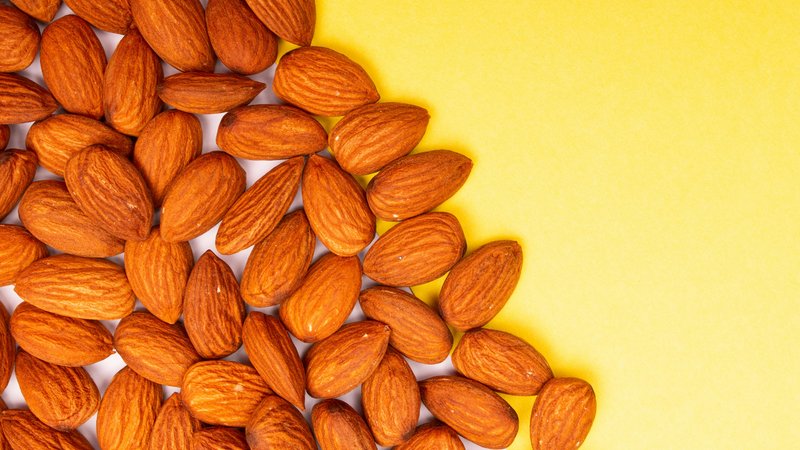
Almonds are high in fat, and a diet suddenly elevated in fat can trigger pancreatitis in dogs. This is a painful inflammation of the pancreas that requires veterinary treatment.
Dogs who are already prone to pancreatitis or who have a history of digestive issues are at even greater risk. Even a one-time indulgence in fatty foods can set off a serious episode.
Salted or flavored almonds add another layer of danger. Excess sodium can cause increased thirst, urination, and in severe cases, sodium ion poisoning.
Almond Butter and Processed Alternatives: A Safer Option
Almond butter is often viewed as a gentler alternative because the nuts have been roasted and ground, which changes their structure. Some pet owners use it occasionally as a treat vehicle for medications.
However, peanut butter is a safer and more widely recommended alternative according to veterinary guidance. If you do use any nut butter, always check the label for xylitol, an artificial sweetener that is highly toxic to dogs.
Spreading a small amount of xylitol-free peanut butter on a lick mat for slow consumption is a much better approach than offering whole almonds in any form.
Safe Substitutes That Provide Similar Nutritional Benefits
If you want to give your dog the nutritional benefits associated with almonds — things like magnesium and healthy fats — there are far safer ways to do it.
Raw, unsalted pumpkin seeds are an excellent option. They deliver comparable nutrients without the choking hazard or digestive difficulty that almonds present.
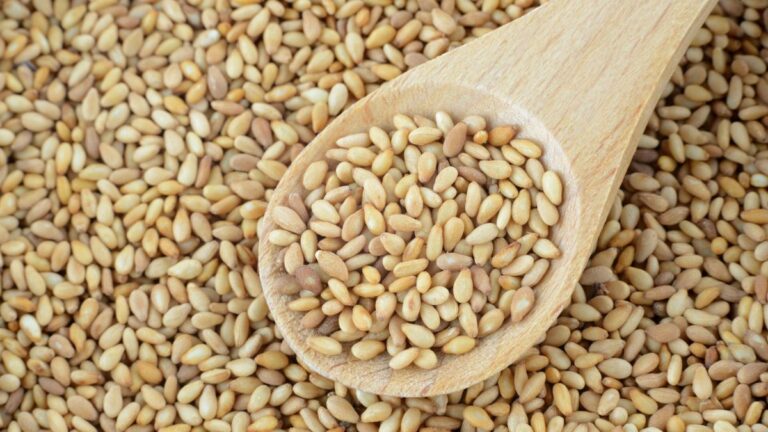
Other dog-safe seeds worth exploring include options like sesame seeds, which offer their own set of nutritional advantages. Variety in a dog’s diet can be beneficial when the choices are genuinely safe.
If you’re curious about the broader landscape of nuts and seeds, a deeper look at which nuts are safe for dogs can help you make better-informed decisions at snack time.
When to Seek Veterinary Care and What Symptoms to Monitor
If your dog has already eaten almonds, don’t panic. Monitor them closely for the next 24 to 48 hours for any signs of distress.
Symptoms to watch for include vomiting, diarrhea, excessive gas, abdominal bloating, lethargy, or difficulty breathing. Any of these warrants a call to your veterinarian.
For immediate guidance, the Animal Medical Center is a trusted resource for urgent veterinary questions. When in doubt, always contact a professional rather than waiting to see if symptoms resolve on their own.
The bottom line is simple: almonds offer no benefit to dogs that cannot be obtained through safer alternatives. Protecting your dog’s health means making intentional choices — and skipping the almond bowl is one of the easiest ones you can make.