
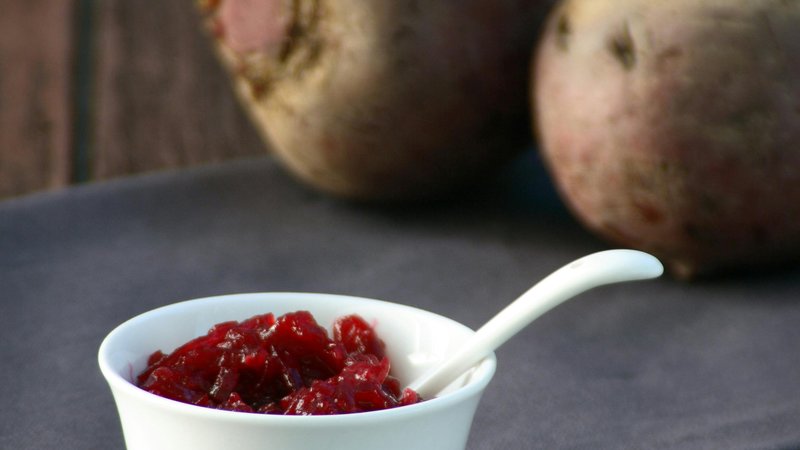
Can Dogs Eat Beetroot? Safety & Health Guide
Beetroot is one of those vibrant, nutrient-dense vegetables that health-conscious humans love. But when your dog eyes your plate, it is natural to wonder whether it is safe to share.
The short answer is yes — dogs can eat beetroot in moderation. However, there are important details every dog owner should understand before adding it to their pet’s diet.
Nutritional Benefits and Health Properties of Beetroot for Dogs
Beetroot is packed with essential vitamins and minerals that can genuinely support your dog’s health. It contains vitamin C, folate, potassium, manganese, and dietary fiber — all beneficial in the right amounts.
The natural antioxidants found in beetroot, particularly betalains, help combat oxidative stress and support immune function. These compounds may also offer mild anti-inflammatory benefits for dogs.
Fiber from beetroot supports healthy digestion and can help regulate bowel movements. For dogs prone to digestive sluggishness, small amounts of beetroot can be a gentle, natural aid.
Safety Considerations and Potential Health Risks
Despite its benefits, beetroot does carry some risks for dogs. Its naturally high oxalate content is the primary concern, as oxalates can contribute to the formation of calcium oxalate crystals in the urinary tract.
Dogs already prone to urine crystals in dogs should avoid beetroot entirely or only consume it under veterinary supervision. Even healthy dogs should not eat it in large quantities.
Beetroot is also high in natural sugars. While not toxic, excessive sugar intake can contribute to weight gain and blood sugar fluctuations, particularly in dogs with diabetes or obesity.
One harmless but alarming side effect is beeturia — a reddish or pinkish tint to urine or stool after eating beetroot. This is completely normal and not a cause for concern.
Optimal Preparation Methods for Canine Consumption
Always serve beetroot plain and unseasoned. Pickled beetroot, canned beetroot with added salt or vinegar, and any beetroot prepared with spices or sweeteners are off-limits for dogs.
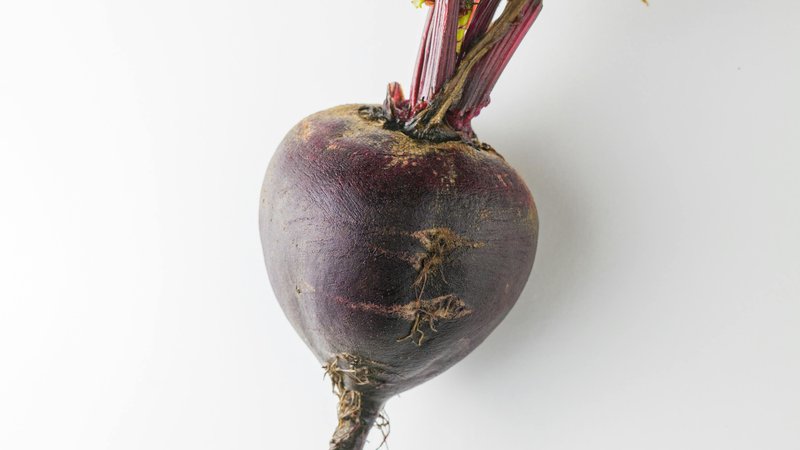
Raw beetroot can be offered in small, grated pieces. Cooking it by steaming or boiling without additives also works well — steaming is generally preferred as it better preserves nutrients and natural flavor.
Always wash the vegetable thoroughly before serving. Remove the tough outer skin, as it can be difficult for dogs to digest and may pose a mild choking risk in larger chunks.
Portion Control and Feeding Guidelines
Beetroot should be treated as an occasional treat, not a dietary staple. A few small pieces once or twice a week is a reasonable amount for most adult dogs.
For smaller breeds, even less is appropriate — roughly a teaspoon of grated or cooked beetroot per serving. Larger breeds can tolerate a tablespoon or two without issue.
If you enjoy diversifying your dog’s diet with nutrient-rich snacks, exploring options like benefits of chia seeds for dogs can offer additional safe and wholesome ideas.
Special Considerations for Different Life Stages and Health Conditions
Puppies have more sensitive digestive systems, and introducing new foods should always be done gradually. Beetroot is not recommended as a regular puppy food, though a tiny taste is unlikely to cause harm.
Senior dogs or those with kidney disease should avoid beetroot due to its oxalate content. Dogs on prescription diets or with known urinary issues need special care around high-oxalate foods.
Always consult your veterinarian before introducing beetroot to a dog managing a chronic health condition. What is safe for one dog may not be appropriate for another.
Beetroot Greens vs. Root: Understanding the Differences
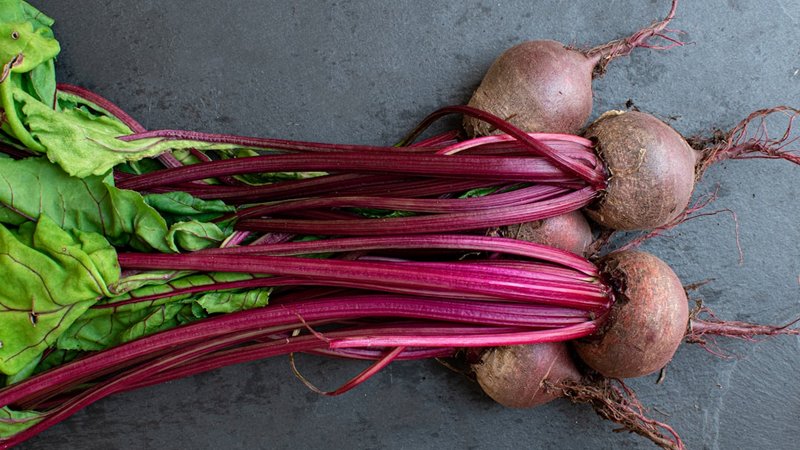
Many dog owners overlook the leafy tops of the beetroot plant entirely. Beet greens are edible and actually contain higher concentrations of certain vitamins than the root itself.
According to a detailed beet greens vs. beetroot comparison, the greens outperform the root in several nutritional categories, including vitamin K, vitamin A, and calcium content.
However, beet greens are also higher in oxalates than the root. Dogs with any history of urinary crystals or kidney sensitivity should avoid them entirely.
For healthy dogs, a small amount of lightly steamed beet greens can be a nutritious addition. Just keep portions minimal and monitor for any digestive upset after the first introduction.
Much like when evaluating can dogs eat sesame seeds, the key with beetroot is always moderation, preparation, and knowing your individual dog’s health history before offering something new.