
Can Dogs Eat Apricots? Safety Guide for Pet Owners
Apricots are sweet, fragrant, and packed with nutrients — but if your dog is eyeing your fruit bowl, you might be wondering whether sharing is a good idea. The answer is nuanced, and understanding it could protect your dog from a serious health risk.
The flesh of a fresh apricot is generally safe for dogs in small amounts. The real danger lies in the pit, the leaves, and the stem — parts that many pet owners overlook entirely.
Fresh Apricots: Safe Flesh, Dangerous Pits
When properly prepared, fresh apricot flesh can be an occasional treat for your dog. It contains vitamins A and C, potassium, and dietary fiber — all of which offer mild health benefits in appropriate quantities.
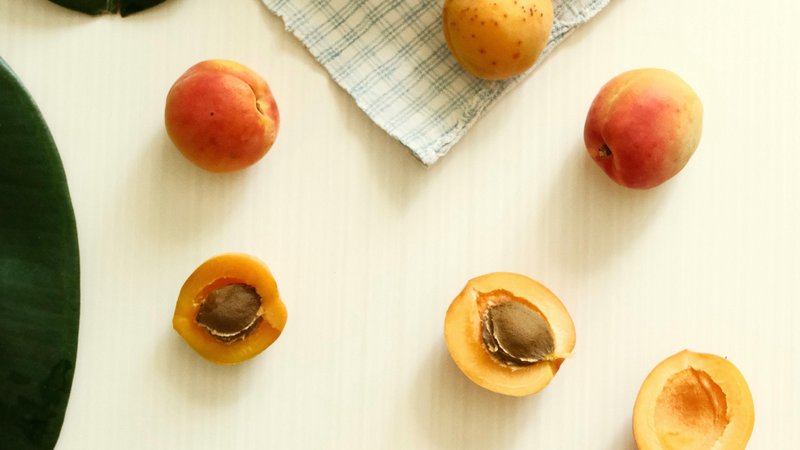
However, the pit is a completely different story. Apricot pits belong to the Prunus genus, which includes cherries, peaches, plums, and nectarines. According to the FDA’s pet safety guidance, these pits contain cyanide compounds that can be harmful to dogs.
Beyond the chemical risk, the pit itself poses a significant choking hazard and can cause a dangerous intestinal blockage. Always remove the pit completely before offering any apricot flesh to your dog.
Understanding Cyanide Risk and Toxicity Thresholds
Many pet owners panic at the word “cyanide,” but context matters here. The FDA notes that cyanide poisoning from fruit pits is actually rare unless a pet consumes a large number of pits and actively chews them up.
The cyanide is only released when the pit is crushed or ground down. A dog swallowing a whole pit is more likely to face a gastrointestinal obstruction than acute cyanide toxicity — though neither outcome is acceptable.
Small dogs face a higher risk than large breeds simply due to body size. Even a single pit can create a life-threatening blockage in a small dog’s digestive tract.
Portion Control and Safe Serving Guidelines
If you choose to share apricot flesh with your dog, moderation is essential. A small slice or two is more than enough for most dogs, and it should never replace a balanced diet.
Treats of any kind — including fruit — should make up no more than 10% of your dog’s daily caloric intake. Dogs with diabetes or weight issues should avoid sugary fruits like apricots altogether.
Always wash the fruit thoroughly, peel it if possible, and remove every trace of the pit, stem, and leaves before serving. Introducing any new food gradually also helps you monitor for digestive upset or allergic reactions. If you’re exploring other safe additions to your dog’s diet, chia seeds for dogs are another nutrient-rich option worth considering.
Dried Apricots and Processed Products
Dried apricots are technically pit-free and therefore safer in terms of obstruction risk. They are also rich in fiber, vitamins A and C, potassium, and antioxidants — nutrients that, as noted by health research on dried apricots, support digestion and immune function.
However, dried apricots have a much higher sugar concentration than fresh ones. Even a small amount can deliver a significant sugar load to your dog, which may cause digestive upset or contribute to weight gain over time.
Apricot-flavored products, jams, and baked goods should be avoided entirely. These often contain added sugars, xylitol, or other ingredients that are toxic to dogs.
Signs of Apricot Pit Ingestion and When to Seek Help
If your dog has swallowed an apricot pit, watch closely for warning signs. Early symptoms of gastrointestinal obstruction include vomiting, loss of appetite, lethargy, and abdominal pain or bloating.
Signs of cyanide exposure are more acute and include dilated pupils, difficulty breathing, bright red gums, and sudden collapse. These require immediate emergency veterinary care — do not wait to see if symptoms resolve on their own.
The Pet Poison Helpline’s apricot toxicity profile confirms that all parts of the apricot plant except the ripe flesh are considered toxic to dogs. When in doubt, call your veterinarian or a pet poison hotline right away.
Apricots can be a safe and enjoyable treat for your dog when served correctly — but the margin for error is slim. Stick to small pieces of clean, pit-free flesh, and always prioritize your dog’s safety over a moment of sharing.