Can Dogs Eat Pepperoni? Safety Guide
That slice of pizza smells incredible to your dog, and those pleading eyes are hard to resist. But before you toss a piece of pepperoni their way, there are some serious health concerns every dog owner needs to understand.
The short answer is no — pepperoni is not safe for dogs. It contains a combination of ingredients that can cause real harm, even in small amounts.
Why Pepperoni Is Dangerous for Dogs
Pepperoni is a heavily processed cured meat designed for human taste preferences, not canine digestive systems. It is loaded with fat, salt, and a range of spices that dogs simply cannot handle safely.
The high fat content alone is a major red flag. Dogs that regularly consume fatty foods are at serious risk of developing digestive issues and long-term organ damage.
Beyond fat, the sodium levels in pepperoni are extreme. A single ounce of traditional pepperoni can contain well over 400 milligrams of sodium — far beyond what a dog should consume in an entire day.
Health Risks: Pancreatitis, Sodium, and Toxic Seasonings
One of the most serious consequences of feeding pepperoni to dogs is pancreatitis. This painful condition occurs when the pancreas becomes inflamed, often triggered by a sudden intake of high-fat food. According to PetMD’s overview of pancreatitis, symptoms include vomiting, lethargy, abdominal pain, and loss of appetite.
Sodium poisoning is another genuine threat. Excess salt causes increased thirst, urination, and in severe cases, tremors, seizures, or kidney damage.
Pepperoni also typically contains garlic and onion powder — both of which are toxic to dogs. Even small quantities of these seasonings can damage red blood cells and lead to hemolytic anemia. If you need guidance on comforting a dog with pancreatitis, the recovery process is difficult and stressful for both pet and owner.

Age and Breed Considerations for Pepperoni Exposure
Not all dogs react to pepperoni the same way. Puppies, senior dogs, and small breeds face significantly higher risks due to their more sensitive digestive systems and lower body weight.
It is worth noting that adolescence in dogs begins around six months and can last until eighteen to thirty-six months depending on the breed. During this developmental window, their organs and immune systems are still maturing, making dietary mistakes especially impactful.
Larger, younger adult dogs may show fewer immediate symptoms after a tiny accidental taste, but repeated exposure still builds harmful cumulative effects. No breed is truly safe from the risks pepperoni presents.
Dogs with pre-existing conditions like kidney disease, heart problems, or obesity face an even greater danger. If your dog falls into any of these categories, even a single piece warrants a call to your vet.
Immediate Steps if Your Dog Consumed Pepperoni
If your dog snatched a single small piece, stay calm. Monitor them closely for the next 24 hours for signs of vomiting, diarrhea, excessive thirst, or unusual lethargy.
If they consumed a larger quantity — or if they are a small breed, puppy, or senior dog — contact your veterinarian immediately. Do not wait for symptoms to appear before seeking advice.
Always have the packaging available so your vet can review the exact ingredients. Garlic or onion powder in the ingredient list makes the situation more urgent.
Nutritious Alternatives to Pepperoni for Dogs
Your dog deserves a satisfying treat that does not come with health consequences. Fortunately, there are excellent options that mimic the meaty appeal without the danger.
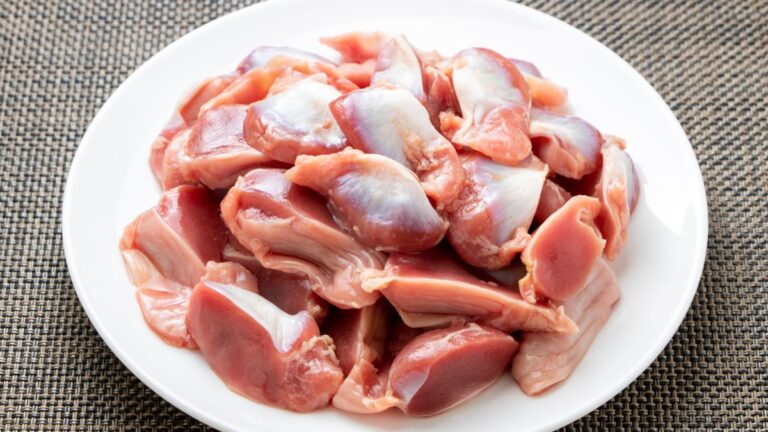
Plain cooked chicken, turkey, or lean beef are all safe, protein-rich choices. If you enjoy preparing food for your dog, exploring options like duck hearts for dogs can offer a nutrient-dense, species-appropriate treat they will love.
If you are drawn to the idea of a pepperoni-style treat, turkey pepperoni is a far safer direction for humans — though still not recommended for dogs. Popular brands like Hormel and Bridgford produce turkey pepperoni containing around 50% less sodium than traditional versions, but the spices and salt levels still make it inappropriate for canine consumption.
For dogs who love variety in their diet, tuna in spring water is another protein-packed option worth considering. Always introduce new foods gradually and consult your vet when in doubt.
The best treat you can give your dog is one that supports their health rather than threatens it. Stick to whole, minimally processed foods and save the pepperoni for your own pizza night.