A Flight Expert Reveals the Grim Reason You Should Never Wear Leggings on a Plane
When most people pack for a trip, they think about comfort and style, and leggings seem like a natural go-to for long-haul flights. They are stretchy, breathable, and easy to move around in. But according to aviation expert Christine Negroni, slipping into a pair of leggings before boarding could actually put you at greater risk in an emergency. It turns out that what you wear on a plane matters a lot more than most travelers realize.
Negroni has made a strong case for rethinking your in-flight wardrobe, and her reasoning comes down to one very serious concern. Most aviation accidents are survivable, but a significant number of them involve fire, and that changes everything when it comes to what you are wearing. Leggings are typically made from synthetic materials like nylon or spandex, and those fabrics behave very differently from natural fibers when exposed to high heat. When synthetic materials get hot enough, they do not just burn away. They melt and can fuse directly to the skin, making injuries far worse than they would otherwise be.
This is not just the opinion of one expert. Back in 1999, the Federal Aviation Administration weighed in on the issue and made its preference for natural fabrics very clear. The agency stated that clothing made from cotton, wool, leather, and even denim was far more preferable than synthetic alternatives when it came to fire safety. Natural fibers tend to char and resist flames rather than melt, which can make a genuine difference in the critical seconds and minutes following an incident. It is a detail most passengers have never heard, but it has been on the books for decades.
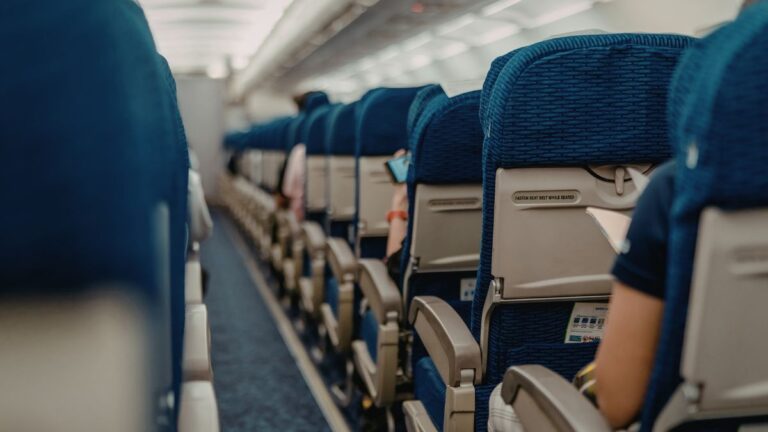
Beyond fire safety, there is another reason frequent flyers and flight attendants often warn against leggings and similar thin, form-fitting bottoms. Airplane cabins are notoriously germy environments, and the less fabric you have between your skin and the surfaces around you, the more exposure you are getting to whatever is living on those seats and surfaces. Full-length trousers made from thicker natural fabrics offer a far better barrier against the kinds of bacteria and grime that tend to accumulate in high-traffic, recycled-air spaces like aircraft cabins.
Negroni also had thoughts on footwear, and her advice follows the same logic of being prepared for the unexpected. She recommends comfortable flat shoes with a solid sole that can be slipped off easily, which might sound casual but is actually quite practical. If you ever need to evacuate through one of the plane’s deployable emergency slides, passengers with heels are typically asked to remove them before going down, since stilettos can puncture the material. Flat shoes keep you ready to move fast without that extra complication, and they also protect your feet from any debris or rough terrain you might encounter outside.
It might feel like overly cautious thinking, and statistically speaking, the odds of being in a serious aviation incident are extremely low. Flying remains one of the safest ways to travel, and the vast majority of flights land without a single drama. But the experts who spend their careers studying what happens when things go wrong will tell you that a few simple choices in how you dress can shift the odds in your favor if the worst does happen. Swapping your leggings for a pair of cotton or denim jeans costs you nothing, and choosing flat shoes over heels might even be more comfortable for the journey anyway.
The next time you are planning what to wear to the airport, it is worth giving your outfit a second thought with safety in mind rather than just comfort or aesthetics. Dressing smartly for air travel does not mean sacrificing style. It just means making choices that work with you in any situation rather than against you. Share what you think about this travel advice in the comments.