Cabin Secrets for Staying Cool and Rested on Summer Flights
Planning a summer getaway often involves the excitement of a long-haul flight to a sunny destination. However, the reality of air travel can quickly become exhausting if you fail to choose your seat wisely.
Sherry Peters, an international flight attendant with nearly three decades of experience, recently shared her professional advice on which areas of the aircraft to avoid. Her tips focus on maximizing comfort and ensuring you actually get some sleep before reaching your holiday spot.
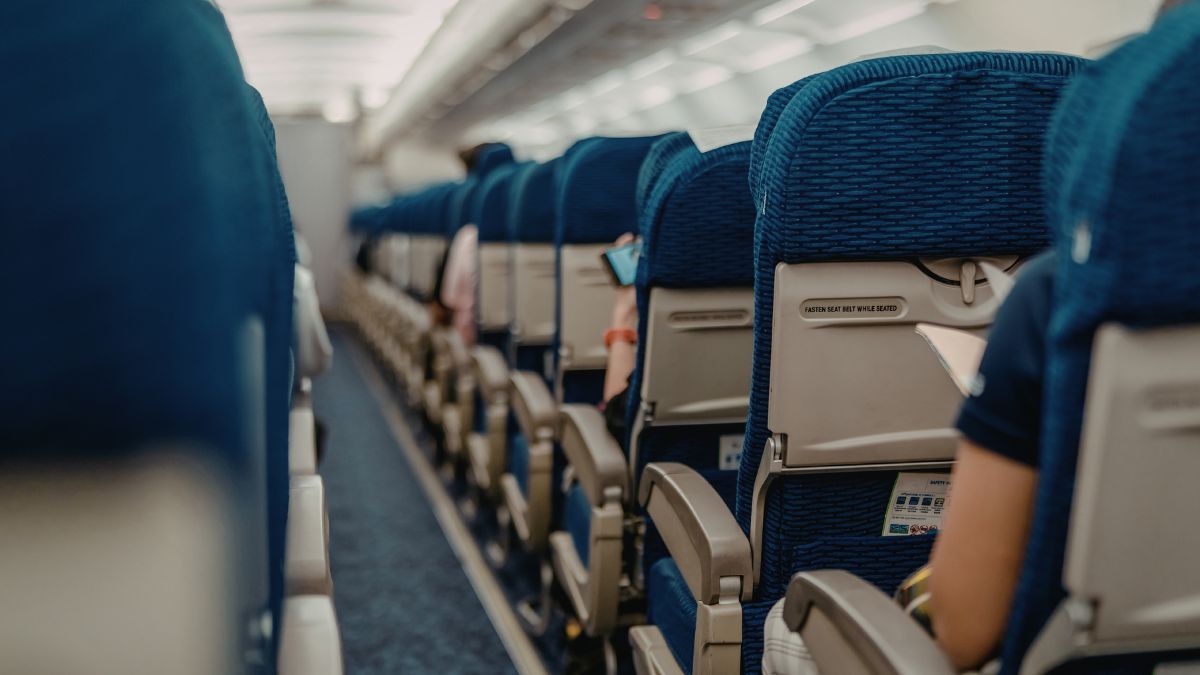
According to Peters, seats located near the galley or the lavatories are the worst options for anyone hoping for a quiet journey. These areas are hubs of constant activity throughout the flight, regardless of the time.
In the galley, crew members are frequently moving carts, preparing meals, and organizing equipment, which creates significant noise. Similarly, the area near the restrooms experiences a never-ending stream of foot traffic.
Passengers often gather in these sections to wait for their turn, which can lead to bumping or leaning against nearby seats. The sound of lavatory doors opening and closing, combined with the flushing noise, can make uninterrupted rest nearly impossible.
While many travelers prefer the back of the plane for a sense of privacy, Peters warns that these rows are particularly susceptible to noise and odors. Additionally, the tail of the aircraft often feels the effects of turbulence more intensely than the middle or front.
For those traveling during the peak of summer, temperature control is another vital factor to consider. Peters notes that while window seats are excellent for leaning your head against the wall to sleep, they can become uncomfortably warm.
The sun shining directly through the window can heat up the immediate area quickly. This effect is even more noticeable when the aircraft is sitting on the tarmac before takeoff.
To combat this, she suggests closing the window shades as soon as you board to keep the cabin air as cool as possible. Combining this with an eye mask and a neck pillow can help create a private cocoon for rest.
Ultimately, the best strategy is to secure a seat as far away from high-traffic zones as your budget allows. Finding a spot in the middle of the cabin, away from kitchens and bathrooms, remains the gold standard for a peaceful flight.
Every minute of sleep counts when you are crossing time zones. By being strategic about where you sit, you can arrive at your destination feeling refreshed rather than drained by the journey.
Let us know what your go-to seat selection strategy is for surviving long flights in the comments.