Dog Breeds That Form Unusually Deep Bonds With Just One Person in the Household
Not every dog distributes its affection equally. Some breeds move through a household like social diplomats, offering warmth to every person who walks through the door. Others do something entirely different, quietly selecting one individual from the group and directing the full weight of their loyalty toward that single person, sometimes to a degree that can feel almost startling.
These dogs are commonly referred to as velcro dogs, named for their tendency to stick closely to one specific person, and while it is natural for all dogs to seek companionship, certain breeds are genetically predisposed to form particularly intense attachments with one human in the household. The first six months of a dog’s life represent the most crucial period for determining future bonding patterns, with puppies’ brains highly receptive to early social interactions that shape their attachment preferences for the rest of their lives.
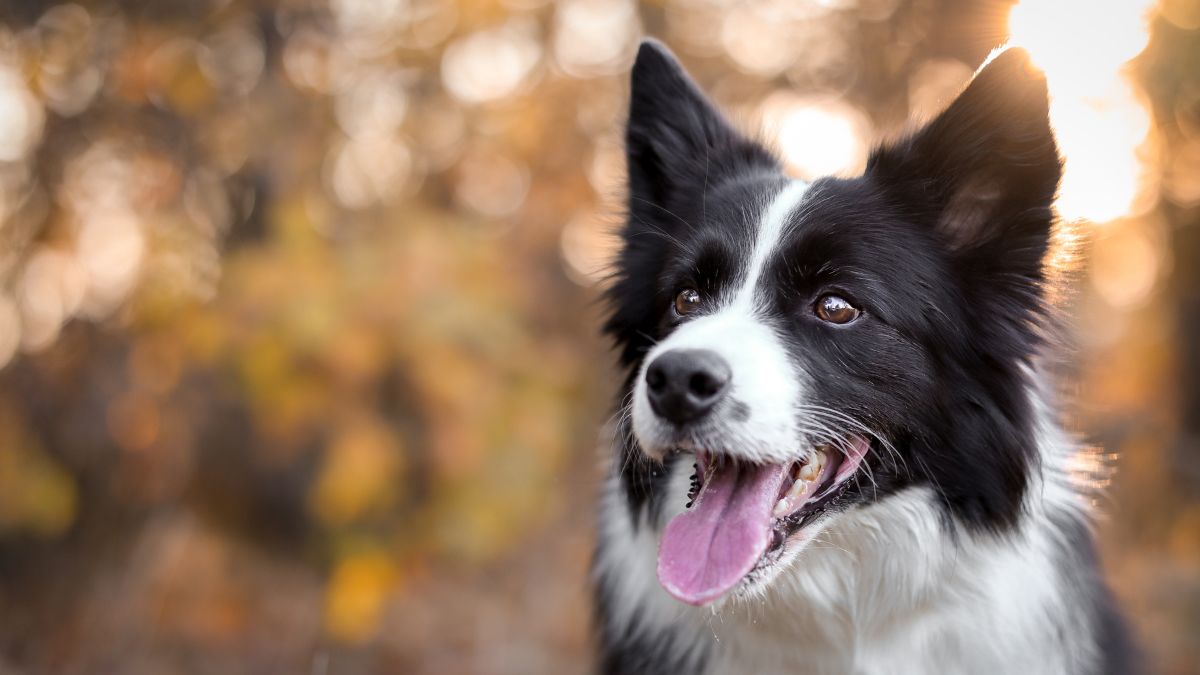
Dogs bred for herding and guardian work carry the highest tendency toward this kind of single-person bonding, since their original purpose depended on a close, almost instinctive connection with one human partner. That includes breeds like Akitas, Australian Cattle Dogs, Border Collies, Dobermans, and German Shepherds, all shaped by tasks that rewarded singular focus and fierce responsiveness to one person above all others.
Among the most complete expressions of this trait is the Vizsla, a Hungarian breed whose velcro nature traces directly to its past: the Vizsla was developed to be both a pointer and retriever who would work close to the hunter, never ranging too far away, and that trait remains fully intact in the dogs of today. Bred by Hungarian sportsmen as early as the 10th century to work long days in the field, the Vizsla was always a one-person dog that slept beside the hunter and worked alongside them from dawn to dusk, which is why they still follow their chosen person from room to room today. A Vizsla should never be left alone for more than four to five hours, as dogs left alone for long periods tend to become destructive, anxious, and visibly distressed.
The Akita expresses its singular loyalty in a quieter, more dignified way. Akitas form incredibly strong bonds with their families and demonstrate their loyalty through quiet, constant companionship, often following their chosen person from room to room and maintaining protective watchfulness over their households. No story captures this temperament more completely than that of Hachiko, a golden-red Akita born in 1923 whose owner, Professor Hidesaburo Ueno, died unexpectedly at work in 1925. Hachiko returned to Shibuya Station in Tokyo every day for nearly a decade, waiting for an owner who would never come back, until his own death in 1935.
German Shepherds, developed originally for herding and guarding sheep, often form a very strong bond with a single owner, making great companion dogs that always want to be by their person’s side. Their loyalty is prioritized rather than exclusionary, as German Shepherds are capable of building relationships with other family members too, displaying affection and loyalty across the household, but reserving their deepest devotion for the one person most engaged in their care.
It is especially important to practice independence training and socialization with these breeds, as they may also be prone to separation anxiety when apart from their chosen person. In extreme cases, dogs bonded to one person will hide, refuse to eat, or reject handling from anyone else when that individual is not present, a level of devotion that is as moving as it is demanding. The bond these breeds offer is unlike anything else in the world of canine companionship, but it asks something genuine in return.
If your dog has clearly chosen you as its person above everyone else in the household, we would love to hear which breed they are and what that singular devotion actually looks like day to day.