When Your Dog Feels Truly Loved, Their Whole Body Says So
The bond between dogs and humans is one of the most studied and celebrated in the animal world. Over thousands of years of living alongside people, dogs have developed a remarkable ability to read human emotions, interpret facial expressions, and respond to tone of voice. That two-way sensitivity is the foundation of everything that passes between a dog and the person they trust most.
Research shows that dogs release oxytocin, the so-called love hormone, when gazing into their human’s eyes, just as people do when they look back at them. A landmark study published in Science found that this mutual gazing actually triggers an oxytocin feedback loop between dogs and their owners, a mechanism that appears to have supported the coevolution of human-dog bonding over millennia. In short, the warmth you feel for your dog is almost certainly mirrored right back at you in their own chemistry.
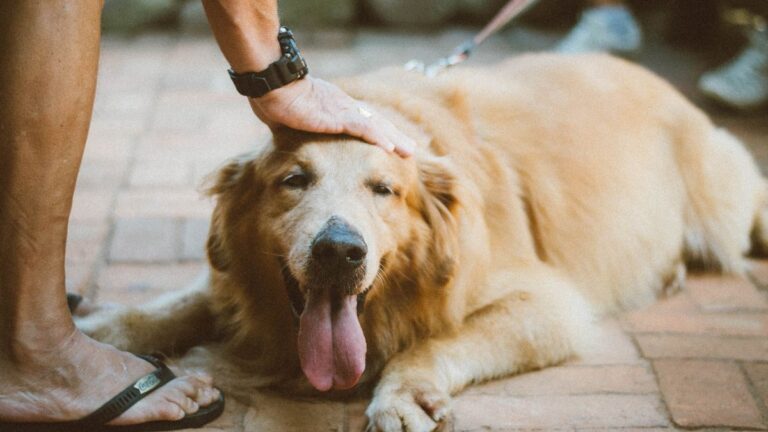
So how do you actually see it? One of the clearest windows into a dog’s emotional world is their body language. According to professional trainer Murphy, when a dog trusts that you have their back, you will see loose body language, soft eyes, and comfortable positions like rolling onto their side or back, the kind of relaxation that only happens when a dog truly feels safe.
Tail movement is another reliable signal, and a slightly upright, moderately wagging tail indicates happiness, while what is sometimes called a helicopter tail, where the wag intensifies into a full circular whip, tends to signal pure excitement at seeing you. The classic body press is equally meaningful, with dogs that push or rub against your legs or rest on your feet doing so as a way of showing comfort and the reassurance they feel from your presence.
Soft vocalizations like sighs and groans are also signs of contentment, and when a dog brings you one of their prized toys, it may be their way of expressing trust, since dogs can be possessive of their belongings and offering one to you is considered a real gesture of faith. Leaning their side, head, or whole body into you and simply staying there is another behavior that helps dogs feel grounded and calm.
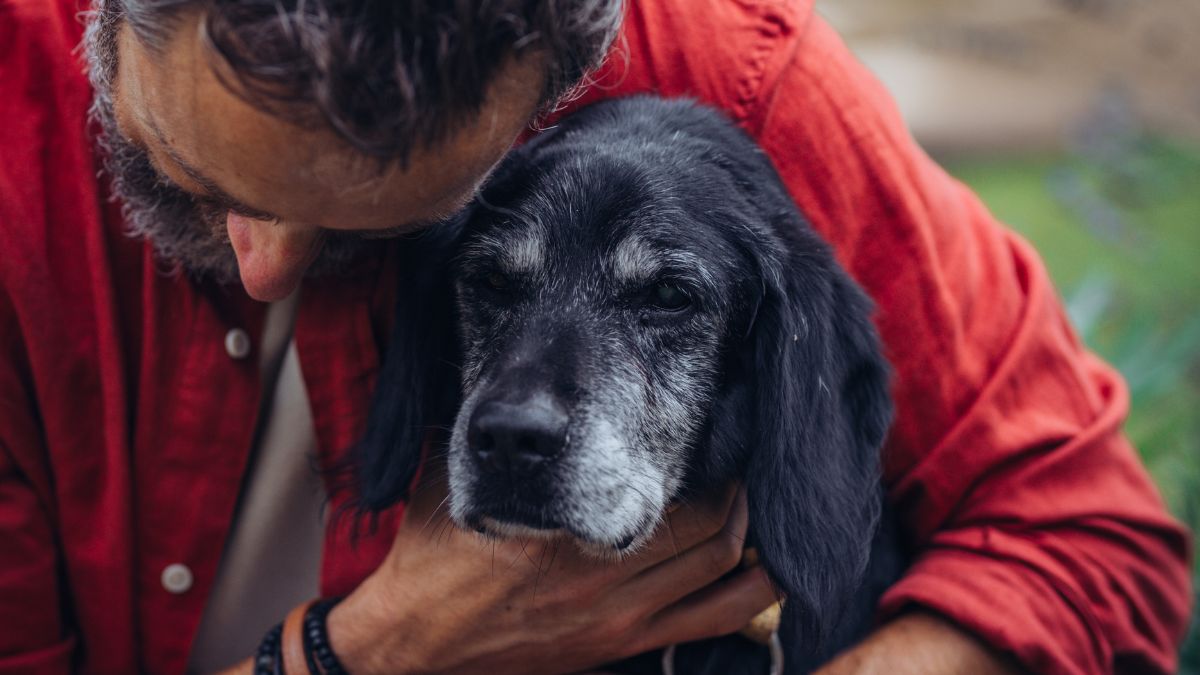
Sleep is a particularly vulnerable time for any animal, but dogs with a secure relationship with their humans tend to sleep better when close to them, suggesting that the desire to curl up beside you is not just about warmth but about the deep sense of security that comes with being truly bonded. Even brief interactions of as little as three minutes can elevate oxytocin levels and reduce stress in dogs, with those doing the petting often experiencing the same mood-boosting effects.
Neuroscientist Gregory Berns, who has explored the human-dog relationship through brain-imaging and behavioral experiments, has told colleagues at Emory University that dogs love us for things far beyond food, essentially the same things humans love each other for, including social comfort and social bonds. That finding resonates with anyone who has watched a dog follow them from room to room for no reason other than to be nearby.
The signals are all around you once you know what to look for. Does your dog have a particular behavior that you have always felt was their own special way of saying they feel at home with you?