Canva

The Ngogo Chimpanzee Community Faces a Brutal Internal Conflict

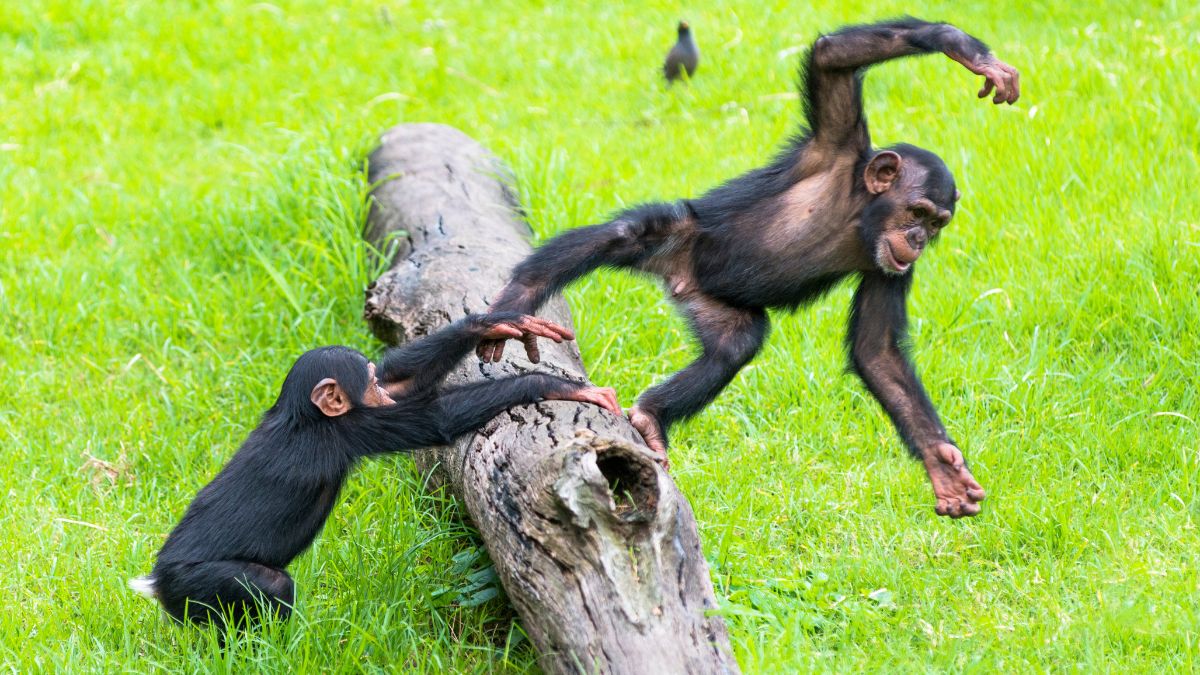
In the lush forests of Uganda’s Kibale National Park lives one of the largest known groups of wild chimpanzees ever documented. For decades these primates thrived together in a tight knit community of around two hundred individuals sharing food grooming and territory patrols without major trouble. Yet starting around 2015 something shifted dramatically and the once unified clan split into rival factions now locked in what researchers describe as a prolonged and deadly civil war.

The division created two main groups known as the Western and Central factions. By 2018 the separation had become complete with the subgroups avoiding shared spaces and turning aggressively against each other. Scientists observing the area have recorded at least twenty eight killings since the conflict escalated including a shocking number of infants. These attacks often involve coordinated violence where multiple chimpanzees gang up on victims sometimes ripping at limbs or leaving bodies badly injured in scenes that echo the darkest aspects of group conflict.

Experts note that such intense internal fighting is exceptionally rare among chimpanzees especially within a single community that had lived peacefully for so long. The Ngogo population had been studied continuously for nearly thirty years providing a unique window into their social dynamics. Researchers like John Mitani who has followed these animals closely point out that the violence includes lethal raids on the opposing side with infants proving particularly vulnerable to the assaults.

Possible triggers for the split remain unclear though some observers suggest factors like deaths from disease or shifts in male dominance hierarchies may have played a role in fracturing alliances. Food resources in the park could also contribute as competition intensifies when groups grow large and territories overlap less harmoniously. Unlike typical intergroup wars between separate chimp communities this conflict feels more personal and troubling because it pits former friends and family members against one another in brutal encounters.

The scale of the Ngogo violence stands out even among other documented chimpanzee conflicts. Coordinated attacks on adult males and the targeting of young ones have resulted in a death toll that researchers compare to human civil strife in its intensity and duration. Over the past eight years or so the fighting has continued with no clear end in sight as the factions maintain their hostile separation deep in the Ugandan jungle.

Chimpanzees share many behavioral traits with humans including complex social bonds and the capacity for both cooperation and aggression. Watching this internal war unfold offers scientists fresh insights into how societies can fracture under pressure whether from environmental stress population changes or power struggles. The events at Ngogo highlight that even our closest primate relatives can descend into sustained lethal conflict when unity breaks down.

This remarkable case continues to fascinate primatologists because it challenges assumptions about chimpanzee group stability. The Western faction with around one hundred eight members appears to have initiated many of the assaults while the Central group defends its ground. Each killing adds another layer to the tragedy as infants who represent the future of the community fall victim to the ongoing raids.

Observers emphasize that the chimpanzees use collective tactics during these encounters much like organized warfare. Victims suffer severe injuries and the psychological toll on survivors remains hard to measure though grooming and bonding behaviors have likely suffered within the divided groups. The conflict has already lasted nearly a decade making it one of the longest recorded internal chimp disputes in the wild.

As studies of the Ngogo chimpanzees progress they reveal darker parallels to human history where internal divisions lead to prolonged suffering. The park setting with its rich biodiversity once supported a thriving unified troop now serves as the backdrop for this primate drama. Researchers hope continued monitoring will uncover more about what sustains such animosity and whether reconciliation could ever occur.

What are your thoughts on what this chimpanzee civil war reveals about group dynamics in primates and humans alike. Share them in the comments.

Similar Posts

  • A Wobbly Rescue Cat Proved That Kindness Has the Power to Change Lives Forever

    Not every hero arrives in perfect condition. Some arrive trembling, unsteady on their feet, and in desperate need of a helping hand before they can become one. That is exactly the story of one remarkable rescue cat whose journey from fragile survivor to devoted surrogate dad has captured the hearts of thousands across the internet,…

  • A Woman Spotted a Kitten Hiding Outside and Never Gave Up Until the Little Cat Finally Decided to Trust

    It started with a moment of chance. Earlier this year, a woman named Chloe was pulling into the parking lot of her apartment complex when something small caught her eye. She quickly realized it was a kitten with an injured leg, but before she could get close, the terrified animal darted under parked cars and…

  • Five Indicators Your Dog Is Fully Settled in a New Environment

    Bringing a new dog into your home is an exciting milestone, but it also comes with a period of adjustment. Most experts agree that it takes time for a canine to transition from a state of survival to one of complete comfort. Observing your pet’s daily habits can reveal a lot about their internal state….

  • Owner Pretends to Fall Down the Stairs and His Dogs Completely Ignore Him

    Living with several dogs often means food takes absolute priority over everything else, and one recent viral video captures that truth perfectly. In the clip, the owner dramatically pretends to tumble down the stairs and then lies motionless on the floor as if injured. Yet none of his four dogs show the slightest concern or…

  • 5 ways Vacation Routines Stress your Pet: Psychology Science most owners Miss

    Vacations are exciting for humans, but for pets, they can feel confusing, stressful, and even scary. Many animals rely on routine to feel safe, so small travel changes can trigger anxiety in ways owners do not expect. The science is simple: pets read patterns, smells, and body language, not calendars. These five overlooked vacation habits can raise stress fast, even in calm pets, and knowing them helps you prevent problems before they start. A few small adjustments can make travel days easier for everyone.
    1. Packing Early Signals “Something Is Wrong” to Your Pet
    When you start pulling out suitcases, your pet often notices before you do. Many animals link luggage with separation, which can trigger anticipatory anxiety. Dogs and cats are experts at pattern recognition, so even quiet packing can create stress because it predicts a major change. Some pets respond by pacing, whining, hiding, or becoming clingy. Others may stop eating or start acting unusually alert. Psychology research on animal behavior shows that uncertainty is often more stressful than the event itself. Packing in smaller steps, keeping normal routines, and adding calm activities can reduce the buildup of anxiety.
    2. Your Mood and Body Language Change More Than You Realize
    Vacation prep usually comes with stress, rushing, and distraction. Pets notice that shift immediately because they rely heavily on your tone, facial expression, and energy. Even if you are excited, the fast movement, shorter patience, and unusual household noise can signal danger to an animal’s brain. This is especially true for anxious dogs and sensitive cats. Behavioral science shows that animals can mirror human stress through increased vigilance and restlessness. A pet may start shadowing you, refusing naps, or becoming reactive. Slowing down, using a calm voice, and keeping playtime normal can make a big difference.
    3. Skipped Walks, Late Meals, and Broken Timing Disrupt Safety Signals
    Many owners think pets will adjust easily to vacation timing changes, but routine is a major source of security for most animals. Meals, walks, and bedtime create predictable anchors that tell a pet their world is stable. When those anchors shift, stress rises, especially in dogs who depend on consistent potty breaks and activity. Cats can also become unsettled when feeding schedules change, which may lead to hiding, vocalizing, or litter box issues. Studies on animal stress show that predictable patterns lower cortisol over time. Even on travel days, keeping timing as close as possible helps pets stay calmer.
    4. New Smells and Spaces Can Trigger Overload, Not Curiosity
    People often assume pets will be excited by a new place, but unfamiliar environments can overwhelm them. Animals process the world through scent and sound, so hotels, rentals, or relatives’ homes can feel like sensory overload. New cleaning products, unfamiliar pets, strange floors, and different noises can raise stress quickly. Dogs may become hyper-alert, bark more, or refuse to settle. Cats may hide for hours or stop eating. Animal behavior research shows that novelty is not always enriching, especially when the pet has no control. Bringing familiar bedding, toys, and maintaining a quiet corner helps reduce that overload.
    5. Handing Them Off to a Sitter Without a Transition Creates Separation Shock
    Even if you trust your sitter, your pet may not. A sudden handoff can feel like abandonment to an animal that does not understand travel plans. Dogs may respond with barking, destructive behavior, or loss of appetite. Cats may become withdrawn, refuse interaction, or show stress through litter changes. Psychology studies on attachment show that animals form strong bonds and feel distress when those bonds are disrupted without a predictable transition. A short meet-and-greet, a trial visit, or a practice overnight can reduce stress dramatically. Familiar scents, written routines, and consistent feeding also help the sitter maintain stability.