Why Most Orange Cats Are Male and Science Finally Has the Answer
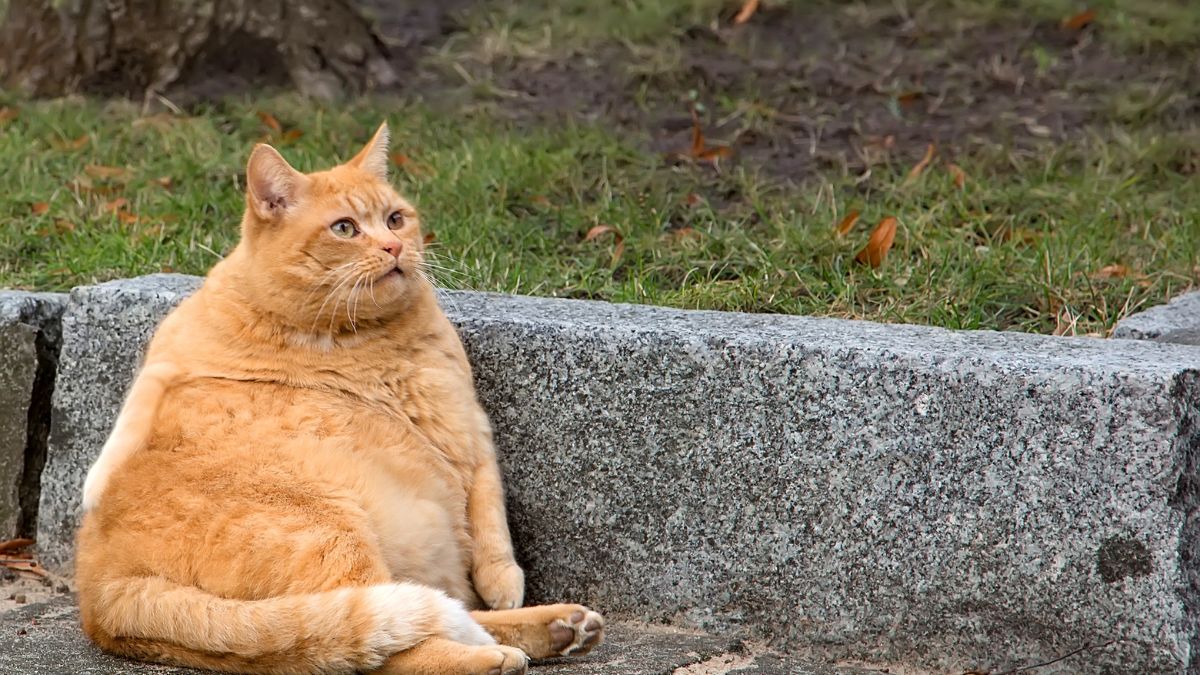
If you have ever noticed that nearly every orange cat you have ever met seems to be a boy, you are definitely not imagining things. Roughly 80 percent of orange cats are male, making females with that fiery coat a genuine rarity among felines.
The explanation comes down to genetics, and researchers from Japan and the United States shed light on the exact mechanism in a study published in the journal Current Biology last year. They identified a specific gene called Arhgap36 as the key player behind that warm, distinctive coat color.
This gene sits on the X chromosome, one of the two sex chromosomes found in cats. For it to actually trigger the orange coloring, a particular genetic mutation has to occur, specifically a deletion of a small segment of DNA that then ramps up the activity of pigment-producing cells.
Here is where sex chromosomes make all the difference. Male cats carry one X and one Y chromosome, so if that single X chromosome carries the mutated Arhgap36 gene, their entire coat turns orange. They only need one copy of the mutation for it to fully show up.
Female cats, on the other hand, have two X chromosomes. For a female to sport a completely orange coat, she would need to inherit the mutation on both of her X chromosomes, one from each parent. The odds of that happening are significantly lower, which is exactly why orange female cats are so uncommon.
When a female cat inherits the mutation on only one of her X chromosomes, things get a lot more colorful in a different way. Instead of a solid orange coat, she ends up as a calico or tortoiseshell. Calico cats display patches of orange, black, and white, while tortoiseshells carry a swirled mix of orange and black throughout their fur.
This is also why you will almost never encounter a male calico or tortoiseshell cat. Since males only have one X chromosome, there is no opportunity for that split expression of color that creates those distinctive multi-toned patterns. A male either gets the orange mutation or he does not, making calico males an extraordinarily rare genetic fluke when they do appear.
It is a beautiful reminder of how something as simple and charming as a cat’s coat color is quietly controlled by the same fundamental biological machinery that determines sex. The next time you spot a fluffy orange tabby, there is now a satisfying scientific reason to suspect he is a he.
If you have an orange cat at home or a rare orange girl, share their story in the comments!