A Persian Cat Named Elsa Had the Internet in Stitches with Her Bath Time Reaction

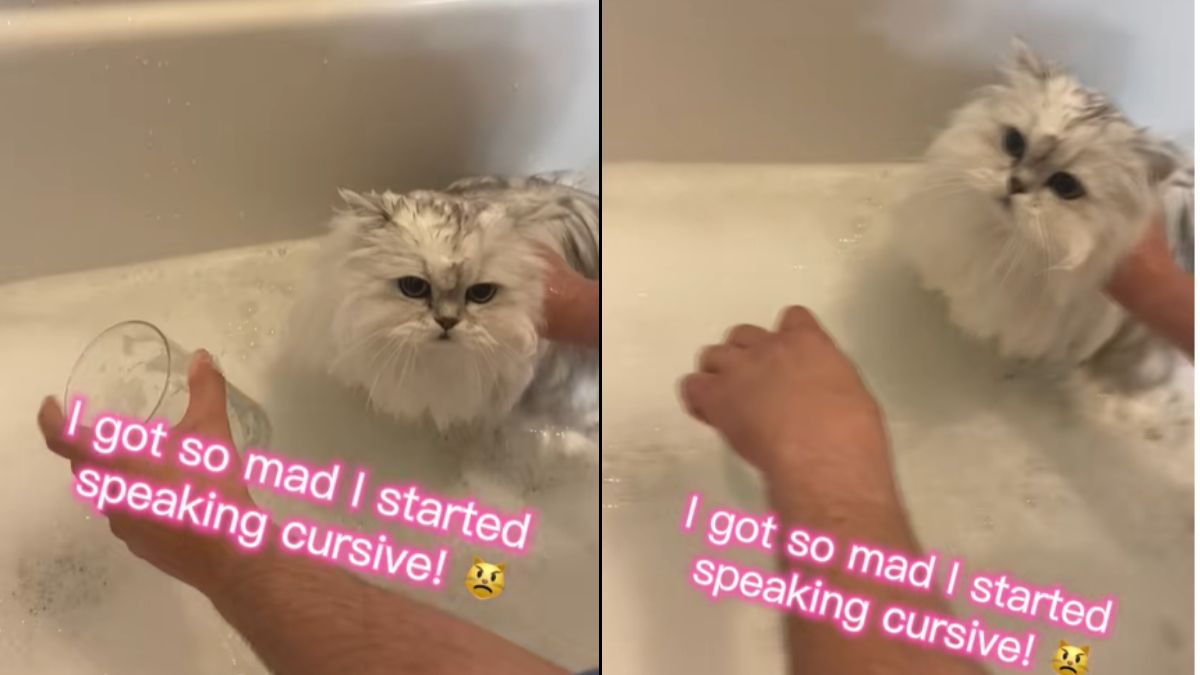
If you have ever wondered what a Persian cat sounds like when she is deeply unhappy about being bathed, wonder no more. A fluffy Persian named Elsa recently went viral on TikTok after her owner captured her producing the most bizarre, trembling vocal performance during a routine wash.

Her owner shared the clip with a caption that read like a dramatic personal diary entry, describing how being bathed made Elsa so furious that she started, in her own words, speaking in italics. The video racked up over a million likes and an impressive six million views, which tells you everything you need to know about how relatable this little diva truly is.

@elsarenee.and.ananicole Mom and dad gave me a bath! 😾#catsoftiktok #cattok #cat #catlover #bath ♬ original sound – Elsa Renee and Ana Nicole

The comment section immediately erupted with people trying to put words to what Elsa’s sound actually reminded them of. One viewer summed it up perfectly by describing it as the kind of meowing that says pure agony, while another compared her vocals to a trembling Halloween ghost decoration straight out of the 1990s.

Others went in a completely different direction and decided Elsa might actually have a future in the performing arts. Someone joked that she was simply singing opera, while another TikTok user pointed out that she sounded exactly like a ghost from the Nintendo game Luigi’s Mansion. It is hard to argue with either assessment.

Persian cats are widely known for being expressive and emotionally sensitive animals, and their feelings about bath time tend to lean firmly toward the negative. Their dense, long coats soak up water easily and take forever to dry, which makes the whole experience feel far more stressful for them than it does for shorter-haired breeds.

There is also a bit of science behind why some cats sound stranger than others when they vocalize. According to ParadePets, factors like breed, personality, stress levels, and even facial structure all play a role in shaping a cat’s unique voice. Persians, with their distinctively flat faces and compressed airways, often produce sounds that are quieter, raspier, or just genuinely unlike anything you have heard before.

Some cats chirp, some trill, and some apparently channel the spirit of a haunted accordion from another dimension. Elsa clearly falls into that last category, and the internet is absolutely better for it.

If your cat has ever treated bath time like a five-alarm emergency, drop your story in the comments and let us know what sounds they made.

Similar Posts

  • 2 Golden Retrievers Couldn’t Hide Their Joy When They Met the Easter Bunny

    There is something undeniably wholesome about watching a dog encounter a mall Easter Bunny for the first time, and two golden retrievers named Poppi and Pearl proved exactly that when their owners decided to bring them along for the holiday tradition. The pair became an overnight internet sensation after a TikTok video captured their reaction,…

  • 5 ways Vacation Routines Stress your Pet: Psychology Science most owners Miss

    Vacations are exciting for humans, but for pets, they can feel confusing, stressful, and even scary. Many animals rely on routine to feel safe, so small travel changes can trigger anxiety in ways owners do not expect. The science is simple: pets read patterns, smells, and body language, not calendars. These five overlooked vacation habits can raise stress fast, even in calm pets, and knowing them helps you prevent problems before they start. A few small adjustments can make travel days easier for everyone.
    1. Packing Early Signals “Something Is Wrong” to Your Pet
    When you start pulling out suitcases, your pet often notices before you do. Many animals link luggage with separation, which can trigger anticipatory anxiety. Dogs and cats are experts at pattern recognition, so even quiet packing can create stress because it predicts a major change. Some pets respond by pacing, whining, hiding, or becoming clingy. Others may stop eating or start acting unusually alert. Psychology research on animal behavior shows that uncertainty is often more stressful than the event itself. Packing in smaller steps, keeping normal routines, and adding calm activities can reduce the buildup of anxiety.
    2. Your Mood and Body Language Change More Than You Realize
    Vacation prep usually comes with stress, rushing, and distraction. Pets notice that shift immediately because they rely heavily on your tone, facial expression, and energy. Even if you are excited, the fast movement, shorter patience, and unusual household noise can signal danger to an animal’s brain. This is especially true for anxious dogs and sensitive cats. Behavioral science shows that animals can mirror human stress through increased vigilance and restlessness. A pet may start shadowing you, refusing naps, or becoming reactive. Slowing down, using a calm voice, and keeping playtime normal can make a big difference.
    3. Skipped Walks, Late Meals, and Broken Timing Disrupt Safety Signals
    Many owners think pets will adjust easily to vacation timing changes, but routine is a major source of security for most animals. Meals, walks, and bedtime create predictable anchors that tell a pet their world is stable. When those anchors shift, stress rises, especially in dogs who depend on consistent potty breaks and activity. Cats can also become unsettled when feeding schedules change, which may lead to hiding, vocalizing, or litter box issues. Studies on animal stress show that predictable patterns lower cortisol over time. Even on travel days, keeping timing as close as possible helps pets stay calmer.
    4. New Smells and Spaces Can Trigger Overload, Not Curiosity
    People often assume pets will be excited by a new place, but unfamiliar environments can overwhelm them. Animals process the world through scent and sound, so hotels, rentals, or relatives’ homes can feel like sensory overload. New cleaning products, unfamiliar pets, strange floors, and different noises can raise stress quickly. Dogs may become hyper-alert, bark more, or refuse to settle. Cats may hide for hours or stop eating. Animal behavior research shows that novelty is not always enriching, especially when the pet has no control. Bringing familiar bedding, toys, and maintaining a quiet corner helps reduce that overload.
    5. Handing Them Off to a Sitter Without a Transition Creates Separation Shock
    Even if you trust your sitter, your pet may not. A sudden handoff can feel like abandonment to an animal that does not understand travel plans. Dogs may respond with barking, destructive behavior, or loss of appetite. Cats may become withdrawn, refuse interaction, or show stress through litter changes. Psychology studies on attachment show that animals form strong bonds and feel distress when those bonds are disrupted without a predictable transition. A short meet-and-greet, a trial visit, or a practice overnight can reduce stress dramatically. Familiar scents, written routines, and consistent feeding also help the sitter maintain stability.

  • A Raccoon Broke Into a Virginia Liquor Store, Drank Everything in Sight and Passed Out on the Bathroom Floor

    A raccoon with seemingly no regard for the law made headlines across the country after staging what authorities colorfully described as a “liquor-fueled rampage” at a state-run liquor store in Ashland, Virginia. The incident unfolded over the Black Friday weekend, when the crafty critter slipped into the Ashland ABC Store after hours by crashing through…

  • Police Find Dog Stolen in Italy Seven Years Ago and Reunite Him with Owner Who Cried Tears of Joy

    Sara Carlotto from Cittadella in Italy thought she might never see her beloved dog again after he vanished one spring day in 2019. She last spotted him from her bedroom window while he barked nonstop in the yard. When she rushed downstairs moments later the mixed breed dog named Cartier was gone and she caught…