Why Most Orange Cats Are Male and Science Finally Has the Answer
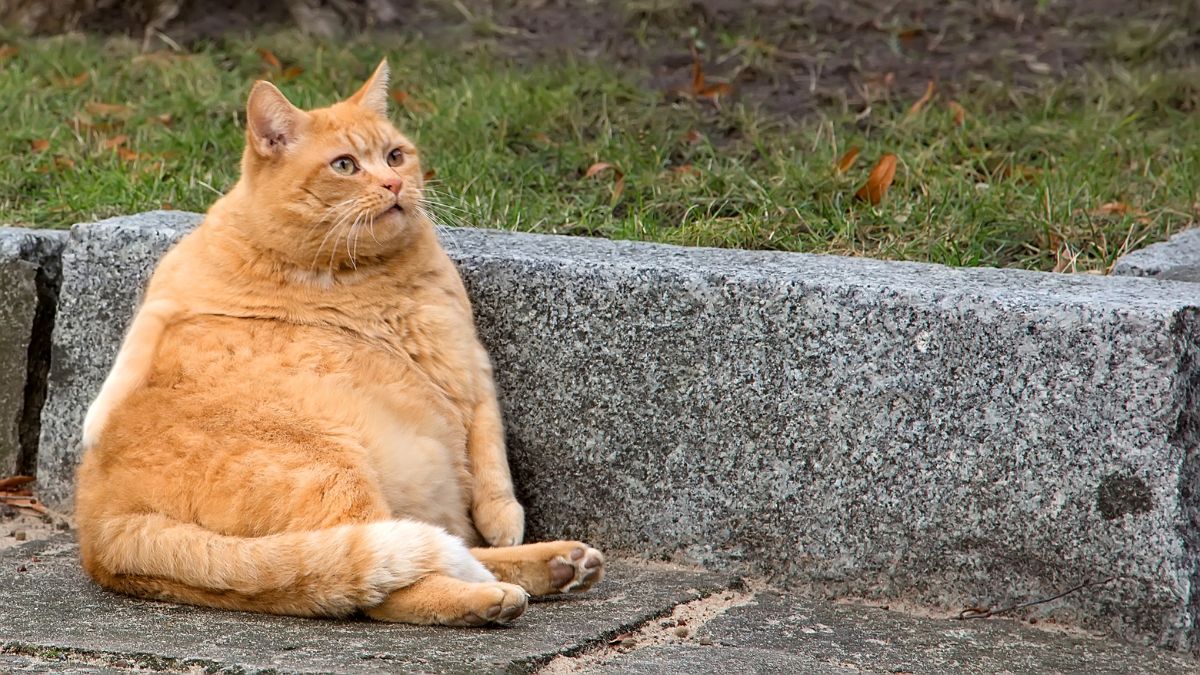
If you have ever noticed that nearly every orange cat you come across seems to be a male, you are definitely not imagining things. Statistics back this observation up in a pretty convincing way, with roughly 80 percent of all orange cats being male. Female orange cats do exist, but they are genuinely rare, and there is a fascinating scientific reason behind this imbalance. Researchers from Japan and the United States published a study in the journal Current Biology that finally pinpointed exactly which genetic factor is responsible.
The whole thing comes down to a gene called Arhgap36, which sits on the X chromosome. This gene is responsible for triggering the production of the orange pigment in a cat’s coat, but it only does its job when a specific mutation occurs, specifically a small deletion of DNA. Without that mutation in just the right place, the orange coat simply does not develop. It sounds straightforward enough, but the way sex chromosomes work is what makes this far more complicated for female cats.
Male cats carry one X and one Y chromosome, so if their single X chromosome has that Arhgap36 mutation, the orange color will show up across their entire coat. They only need one copy of the mutated gene to display the full orange look. This is why male orange cats are so common and why you can find them at just about every shelter or neighborhood block. One chromosome, one mutation, and the job is done.
Female cats, on the other hand, carry two X chromosomes, which means they need the mutation on both copies in order to be fully orange. The odds of inheriting that specific genetic deletion from both parents are significantly lower, which is what makes orange females such a rare sight. If a female cat only inherits the mutation on one of her X chromosomes, her coat will not be solid orange. Instead, she will display a calico or tortoiseshell pattern, mixing orange with black and white, since different cells express different X chromosomes.
This also explains why calico and tortoiseshell cats are almost exclusively female, which is a fun flip side to the orange male phenomenon. The genetics of coat color in cats is one of those topics that turns out to be far more layered than most people expect. What looks like a simple color preference from nature is actually a precise result of chromosomal inheritance and rare mutations lining up in just the right way. Every orange tabby you spot lounging in a sunny window is essentially a walking example of how powerfully genetics shapes the world around us.
If you have an orange cat at home or have always been curious about this quirk of feline biology, share your thoughts in the comments!