Can Dogs Eat Pumpkin Seeds? Safety & Benefits
Pumpkin seeds are a nutritious snack that many pet owners wonder about sharing with their dogs. The good news is that pumpkin seeds are generally safe for dogs and can offer a surprising range of health benefits when prepared and served correctly.
That said, how you prepare them and how much you offer matters enormously. Understanding the details can help you make the best decision for your specific dog.
Nutritional Profile and Health Benefits for Dogs
Pumpkin seeds are packed with valuable nutrients including zinc, magnesium, iron, and healthy fatty acids. These minerals support immune function, coat health, and overall cellular wellbeing in dogs.
They also contain antioxidants that help reduce inflammation and support long-term health. For dogs prone to urinary issues, the natural compounds in pumpkin seeds may even offer mild protective benefits for the bladder.
If you enjoy exploring seed-based nutrition for your dog, the benefits of chia seeds for dogs offer another fascinating look at how small seeds can make a meaningful dietary impact.
Safe Preparation Methods: Raw, Roasted, and Unsalted Options
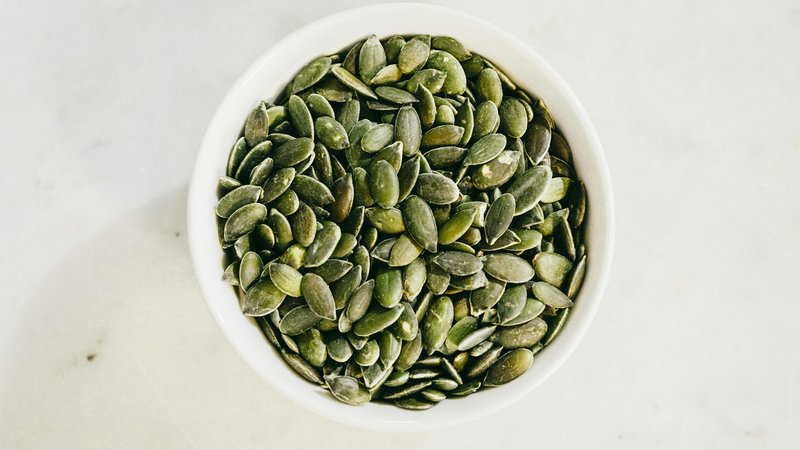
Plain, raw pumpkin seeds are safe for dogs as long as they are unsalted and free from added seasonings. Salt, garlic powder, and other common coatings found on human snack seeds can be toxic to dogs.
Lightly roasted seeds without any additives are also acceptable. However, the safest and most digestible option is to grind the seeds into a fine powder before sprinkling them over your dog’s regular food.
When it comes to pumpkin in general, pumpkin preparation options like cooked pumpkin, plain puree, and canned pumpkin are all safe for dogs, making pumpkin one of the most versatile and dog-friendly foods available.
Portion Control and Caloric Considerations by Dog Size
Even healthy treats need to fit within your dog’s daily caloric budget. Pumpkin seeds are calorie-dense, so portion sizes should be kept small and consistent.
As a general guideline, small dogs should receive no more than a pinch of ground seeds per day, while larger breeds can tolerate a slightly larger amount. Treats and extras like pumpkin seeds should never exceed 10% of your dog’s total daily calorie intake.
Tracking your dog’s overall intake is a smart habit. Daily caloric needs vary significantly by size, age, and activity level, and monitoring them helps prevent weight gain over time.
You might also explore how seeds compare to other snacks by reading about whether sesame seeds are safe for dogs, which covers similar portioning principles.
Natural Deworming Properties and Digestive Support
One of the most talked-about benefits of pumpkin seeds is their natural deworming potential. They contain an amino acid called cucurbitacin, which has been shown to paralyze and eliminate intestinal parasites like tapeworms and roundworms.
While pumpkin seeds should never replace veterinary-prescribed dewormers, they can serve as a complementary supportive measure. Always consult your veterinarian before using them for this purpose.
Pumpkin seeds also support digestive health by contributing fiber and healthy fats that help regulate bowel movements. Dogs experiencing mild constipation or loose stools may benefit from small, consistent amounts added to their diet.
Age-Specific Guidelines and Health Condition Considerations
Puppies, adult dogs, and senior dogs all have different nutritional needs. Senior dogs, for example, may benefit more from the anti-inflammatory and urinary support properties of pumpkin seeds as their bodies age.
It is worth noting that senior dog age thresholds differ by breed size, with small dogs reaching senior status around 11 to 12 years and giant breeds as early as 7 years old. Adjusting diet and treat choices accordingly supports healthy aging.
Dogs with kidney disease, pancreatitis, or obesity should only receive pumpkin seeds under direct veterinary supervision. The fat content, while healthy for most dogs, can be problematic for those with specific metabolic conditions.
For puppies under six months, it is best to hold off on introducing pumpkin seeds until their digestive systems are more mature. When in doubt, a quick call to your vet is always the safest step before adding anything new to your dog’s diet.