
Can Dogs Eat Pretzels? Safety Guide for Pet Owners
You’re snacking on pretzels and your dog is staring up at you with those irresistible eyes. It’s tempting to toss one over, but is it actually safe?
The short answer is: pretzels are not recommended for dogs. While a single plain pretzel is unlikely to cause a crisis, regular sharing can lead to real health problems over time.
Understanding Pretzel Ingredients and Canine Safety
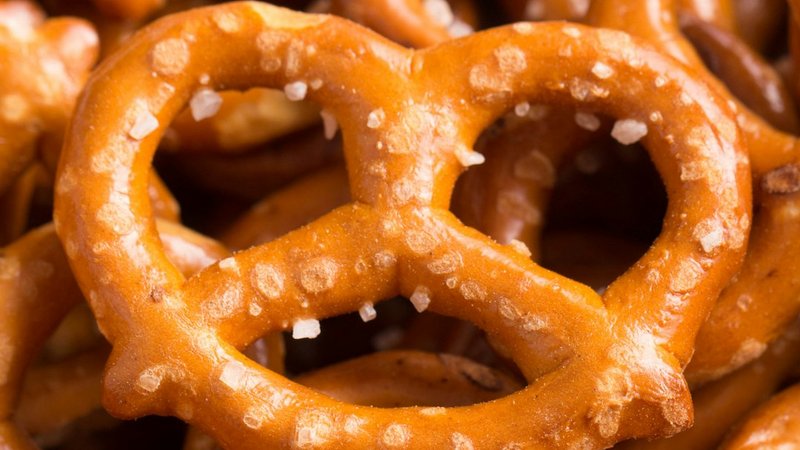
At their core, pretzels are made from refined wheat flour, water, yeast, and a generous coating of salt. None of these ingredients offer any nutritional benefit to your dog.
Refined carbohydrates are essentially empty calories for dogs. They provide quick energy with no fiber, vitamins, or minerals that support your dog’s health.
From a nutritional standpoint, pretzels rank poorly even for humans. For dogs, whose digestive systems and dietary needs differ significantly from ours, the picture is even less favorable.
Salt Content and Its Impact on Dog Health
Salt is the biggest concern with pretzels. A standard serving of pretzels can contain anywhere from 200 to 500 milligrams of sodium — far more than most dogs should consume in a day.
Dogs require only small amounts of sodium to support normal body functions. Excess salt causes increased thirst, excessive urination, and in serious cases, sodium ion poisoning.
Symptoms of salt toxicity in dogs include vomiting, diarrhea, tremors, and lethargy. If your dog has eaten a large quantity of salty pretzels and shows any of these signs, contact your veterinarian immediately.
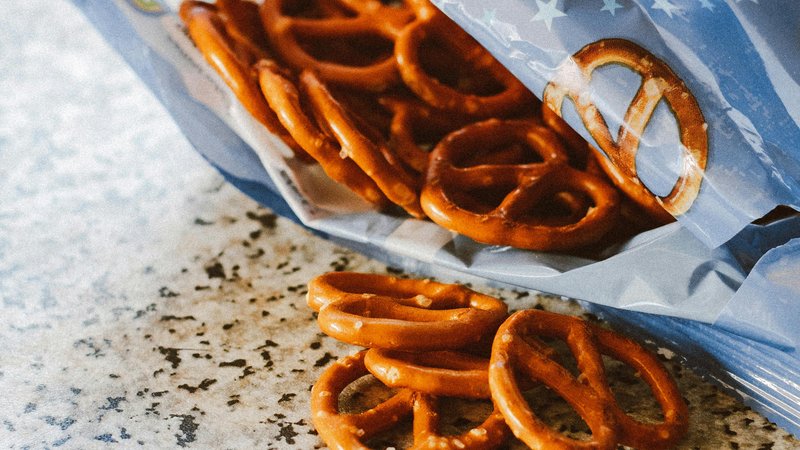
Repeated exposure to high-sodium snacks also contributes to long-term cardiovascular strain, particularly in older or already overweight dogs. This is not a risk worth taking for the sake of a snack.
Toxic Additives to Watch For in Flavored Varieties
Plain salted pretzels are bad enough, but flavored varieties introduce a new layer of danger. Many popular pretzel flavors contain ingredients that are genuinely toxic to dogs.
Garlic and onion powder are commonly used in savory pretzel seasonings. Both belong to the allium family and can cause oxidative damage to red blood cells, leading to hemolytic anemia in dogs.
Some sweet pretzel coatings contain xylitol, an artificial sweetener that is extremely dangerous for dogs. Even small amounts of xylitol can trigger a rapid drop in blood sugar and cause liver failure.
If you enjoy sesame-coated snacks, it’s worth knowing that plain sesame seeds are far less risky than pretzel seasonings, though they should still be given sparingly.
Age and Size Considerations for Safe Consumption
A dog’s age and size play a significant role in how their body handles excess salt and refined carbohydrates. Dog life stages — from puppy to senior — each come with different metabolic rates and health vulnerabilities.
Puppies have developing kidneys that are less efficient at processing excess sodium. Senior dogs often have reduced kidney function, making them even more susceptible to salt-related complications.
Small breeds are at higher risk than large dogs simply because of body mass. What amounts to a minor sodium spike in a Labrador could be a meaningful overdose for a Chihuahua or a Yorkshire Terrier.
Weight is another critical factor. Research highlights that high-calorie food availability has driven a significant rise in obesity, and empty-calorie snacks like pretzels only add to that burden without providing any nutritional return.
Healthier Treat Alternatives for Your Dog
The good news is that there are plenty of satisfying, dog-safe snacks you can offer instead. Fresh vegetables like carrots, cucumber slices, and green beans make excellent low-calorie treats.
Plain rice cakes with no salt or seasoning are a crunchy alternative that mimics the texture of a pretzel without the sodium risk. Always check labels carefully before sharing any human food.
If you enjoy giving your dog nutritious food-based rewards, the benefits of chia seeds for dogs make them a worthwhile addition to your dog’s diet when used correctly.
When in doubt, opt for treats specifically formulated for dogs. These are designed to meet canine nutritional needs without the hidden risks that come with human snack foods.
Your dog doesn’t need pretzels to feel loved. A few baby carrots and some quality playtime will do far more for their health and happiness than any salty snack ever could.