
Can Dogs Eat Popcorn? Safety Guide for Pet Owners
You’re settled in for movie night, and your dog is staring at the bowl with those irresistible eyes. It’s a moment almost every dog owner knows well.
Before you toss a piece over, it’s worth knowing exactly what popcorn does — and doesn’t — offer your dog nutritionally. The answer isn’t a simple yes or no.
Plain Air-Popped Popcorn: The Only Safe Option for Dogs
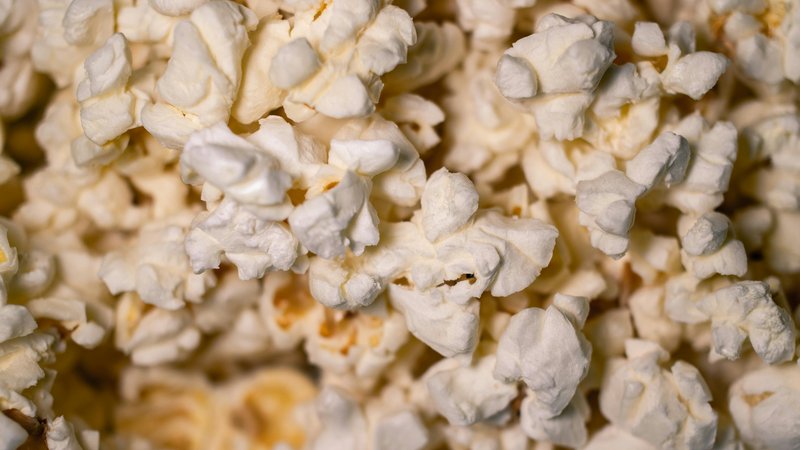
Plain, air-popped popcorn is technically safe for dogs in small amounts. It contains trace amounts of fiber and certain antioxidant compounds that aren’t harmful to canines.
However, popcorn is not a nutritional powerhouse for dogs. According to popcorn nutrition data, a ⅛-cup serving of kernels contains 125 calories and yields roughly 1¾ cups when popped — that’s a significant calorie load for a small snack.
Think of plain popcorn as an occasional novelty treat, not a dietary staple. If you’re interested in snacks with real nutritional value, chia seeds for dogs offer far more meaningful health benefits.
Portion Control and Calorie Guidelines by Dog Size
Portion size matters enormously when sharing any human food with your dog. Treats of any kind should make up no more than 10% of your dog’s daily caloric intake.
For a small dog weighing under 20 pounds, just a few popped pieces is a reasonable limit. Medium and large dogs can handle a small handful, but no more than that in a single sitting.
It’s also worth remembering that nutritional needs shift across a dog’s life. Dog life stages — from puppy to senior — each come with different caloric and dietary requirements, so what’s appropriate for an active adult dog may not suit a senior or a growing pup.
Dangerous Popcorn Varieties to Avoid Completely
The real danger with popcorn isn’t the popped corn itself — it’s everything that gets added to it. Butter, salt, cheese powder, caramel, and artificial flavoring are all harmful to dogs.
Excess sodium can lead to salt toxicity, causing symptoms like vomiting, diarrhea, tremors, and in severe cases, seizures. Butter and oils contribute unnecessary fat that can trigger pancreatitis over time.
Heavily flavored varieties like kettle corn, white cheddar, and movie-theater butter popcorn should never be shared with your dog. When in doubt, if it has a flavor name on the bag, keep it away from your pet.
Choking Hazards and Kernel Safety Concerns
Unpopped or partially popped kernels are a genuine choking hazard, especially for small breeds. These hard pieces can also crack teeth or become lodged in the gums and throat.
Even fully popped pieces can be problematic if your dog eats too quickly or gulps large amounts at once. Always supervise your dog closely any time you offer popcorn as a treat.
Safe Treat Alternatives to Popcorn for Your Dog
There are far better snack options that deliver real nutritional benefits without the risks. Plain cooked vegetables like carrots, green beans, and cucumber slices make excellent low-calorie treats.
If you’re curious about other human foods your dog might safely enjoy, the question of whether dogs can eat sesame seeds is another common one worth exploring before experimenting with pantry staples.

Small pieces of plain cooked chicken, blueberries, and apple slices (without seeds) are also dog-safe options that most pets love. These alternatives are satisfying without the calorie or sodium concerns that come with popcorn.
When to Seek Veterinary Care After Popcorn Ingestion
If your dog accidentally ate a large amount of heavily salted or buttered popcorn, monitor them closely for the next several hours. Watch for vomiting, excessive thirst, lethargy, or signs of abdominal discomfort.
A small amount of plain popcorn is unlikely to cause any serious issue. However, if your dog consumed flavored popcorn with artificial sweeteners like xylitol — which is toxic to dogs — contact your veterinarian or an emergency animal poison control line immediately.
When in doubt, a quick call to your vet is always the right move. Acting early is far safer than waiting to see if symptoms develop on their own.