Can Dogs Eat Broccoli? Safety & Health Guide
Broccoli is one of the most nutrient-dense vegetables humans eat, so it makes sense that dog owners wonder whether it belongs in their pet’s bowl too. The short answer is yes — dogs can eat broccoli, but with some important caveats every owner should understand.
Like most human foods shared with dogs, broccoli is safe only in moderation and when prepared correctly. Understanding both the benefits and the risks will help you make the best decision for your dog’s health.
Broccoli Safety for Dogs: What Pet Owners Need to Know
Broccoli is non-toxic to dogs and is generally recognized as safe by veterinary professionals. However, it contains isothiocyanates — natural compounds found in cruciferous vegetables that can irritate a dog’s gastrointestinal tract if consumed in large quantities.
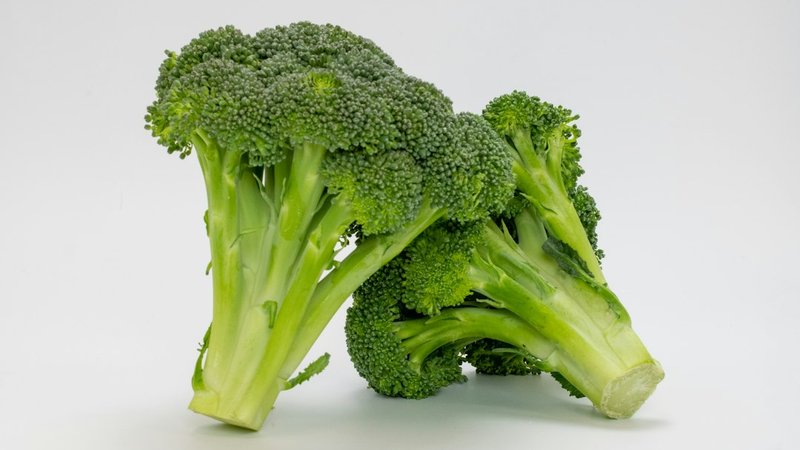
These compounds are concentrated primarily in the broccoli florets. The stalks are lower in isothiocyanates but can present a choking hazard if not cut into appropriately sized pieces.
Nutritional Benefits and Potential Risks of Broccoli
Broccoli is packed with vitamin C, vitamin K, potassium, and dietary fiber. These nutrients support immune function, bone health, and healthy digestion in dogs.
Broccoli is also a low-calorie snack, making it a smart option for dogs that need to maintain a healthy weight. If you already prioritize whole-food nutrition for your dog, pairing broccoli with a quality diet — like the options explored in this Farmer’s Dog food review — can complement an overall balanced approach.
The potential risks include digestive upset, gas, and bloating. In rare cases of significant overconsumption, more serious gastrointestinal distress can occur. Always introduce broccoli gradually to watch for any adverse reactions.
Preparation Methods: Raw, Cooked, and Frozen Broccoli
Dogs can safely eat broccoli raw, lightly steamed, or frozen. Each method has its advantages. Raw broccoli retains the most nutrients, while steaming makes it easier to chew and digest.
Frozen broccoli can be a refreshing treat, especially in warmer months. Avoid giving your dog broccoli that has been cooked with butter, oils, garlic, onions, or seasonings — these additions can be harmful or even toxic to dogs.
Always cut broccoli into small, bite-sized pieces before serving. This reduces the risk of choking, particularly for smaller breeds.
Portion Control and the 10% Treat Rule
Veterinarians commonly recommend that treats and supplemental foods make up no more than 10% of a dog’s daily caloric intake. Broccoli should fall within this limit to avoid digestive issues caused by the isothiocyanates in the florets.
For most dogs, one or two small florets a few times per week is a reasonable serving. If you notice loose stools, excessive gas, or vomiting after feeding broccoli, reduce the amount or discontinue it entirely.
Age and Size Considerations for Different Dogs
A dog’s age and size directly influence how they process new foods. Puppies have more sensitive digestive systems and should only receive very small amounts of broccoli as an occasional treat.
Senior dogs also require extra consideration. According to VCA Hospitals’ age guidelines, small dogs reach senior status at 11 to 12 years, medium dogs at 10 years, large dogs at 8 years, and giant breeds as early as 7 years old. Older dogs may have slower digestion, making high-fiber foods like broccoli worth introducing even more cautiously.
It’s also worth noting that among cruciferous vegetables, fiber content varies considerably. As nutritional comparisons show, Brussels sprouts lead with 3.8 grams of fiber while cauliflower provides the least at 2.0 grams — broccoli sits comfortably in the middle, making it a well-rounded choice. For dogs already enjoying other nutritious add-ons, the benefits of chia seeds for dogs offer another example of how small dietary additions can meaningfully support overall health.
Signs of Overconsumption and When to Contact Your Veterinarian
If your dog eats too much broccoli, you may notice symptoms like excessive drooling, vomiting, diarrhea, lethargy, or abdominal discomfort. These signs typically appear within a few hours of consumption.
Mild symptoms often resolve on their own with rest and access to fresh water. However, if symptoms persist beyond 24 hours or appear severe, contact your veterinarian promptly.
When offered responsibly, broccoli is a wholesome, nutrient-rich treat that most dogs enjoy. Keep portions small, skip the seasonings, and always watch how your individual dog responds — every pet is different, and their health always comes first.