

Can Dogs Eat Kiwi? Safety Guide for Pet Owners
Kiwi is a vibrant, nutrient-dense fruit that many dog owners enjoy as a daily snack. It’s natural to wonder whether sharing a slice with your dog is safe or something to avoid entirely.
The good news is that kiwi is generally considered safe for dogs when offered correctly. However, there are important preparation steps and portion guidelines every owner should know before treating their pup.
Nutritional Profile: What Kiwi Offers Your Dog
Kiwi is packed with vitamin C, vitamin K, potassium, and dietary fiber. These nutrients support immune function, healthy blood clotting, and digestive regularity in dogs.
According to kiwi’s nutritional benefits, the fruit is low in calories but loaded with important nutrients, making it a great option for dogs who need to maintain a healthy weight. Its natural sweetness also makes it appealing as an occasional treat.
Kiwi also contains antioxidants that help combat oxidative stress at the cellular level. For dogs prone to inflammation or aging-related conditions, these compounds can offer meaningful support. If you’re exploring other nutrient-rich treat options, the benefits of chia seeds for dogs are also worth considering as a complementary addition to their diet.
Safety Considerations and Toxicity Status
Kiwi flesh is not toxic to dogs. It does not appear on the ASPCA’s list of dangerous fruits the way grapes or raisins do, which makes it a relatively low-risk treat.
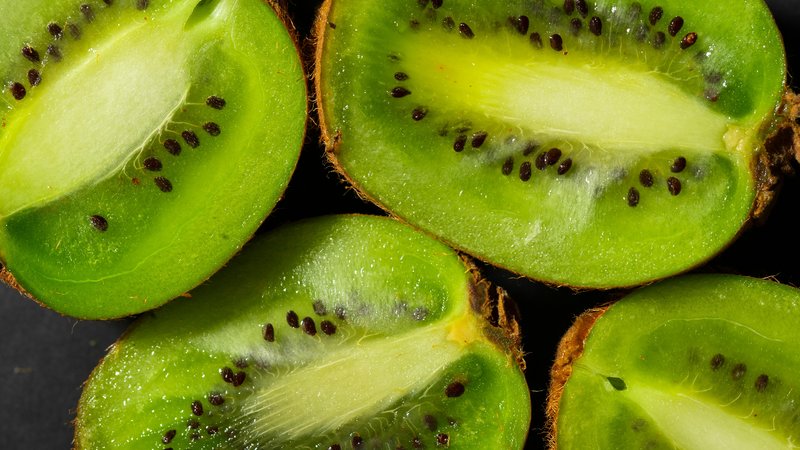
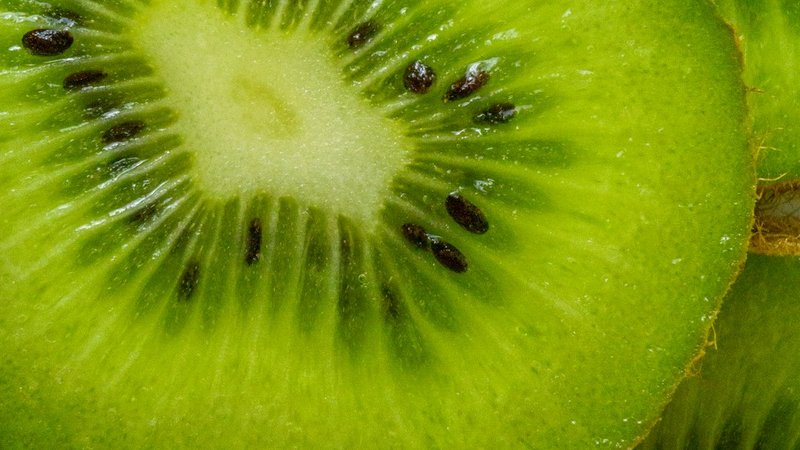
That said, the skin and seeds deserve caution. The fuzzy skin can be difficult to digest and may cause gastrointestinal irritation in sensitive dogs. The seeds, while small, are best avoided as a precaution.
Always consult your veterinarian before introducing any new food into your dog’s diet, especially if your dog has a history of food sensitivities or digestive issues. Reviewing expert dog nutrition advice is a reliable starting point for making informed dietary decisions.
Proper Preparation and Serving Guidelines
Always peel the kiwi completely before offering it to your dog. Remove any seeds you can see, then cut the flesh into small, bite-sized pieces appropriate for your dog’s size.
Treats of any kind, including fruit, should make up no more than 10% of your dog’s daily caloric intake. Kiwi is no exception, and moderation is key to preventing digestive upset.
Introduce kiwi slowly the first time. Offer a single small piece and monitor your dog for any signs of an adverse reaction over the next 24 hours before offering more.
Digestive Effects and Potential Risks
The high fiber content in kiwi can be beneficial in small amounts, but too much can lead to loose stools or diarrhea. Dogs with sensitive stomachs are particularly vulnerable to overconsumption.
If your dog develops digestive issues after eating kiwi, it’s worth reviewing common causes of dog diarrhea to rule out other contributing factors. Symptoms like vomiting, lethargy, or persistent loose stools warrant a call to your vet.
Whole kiwi fruits also present a choking hazard, particularly for smaller breeds. Never offer a whole kiwi, regardless of your dog’s size or enthusiasm for the fruit.
Age and Size-Specific Recommendations
A dog’s life stage plays a significant role in how their body processes new foods. Puppies have more sensitive digestive systems than adult dogs, and seniors may have underlying health conditions that affect fruit tolerance.
Understanding how dog life stages differ by size and breed helps owners tailor treat choices appropriately. What works well for a healthy adult Labrador may not suit a senior Chihuahua with a sensitive stomach.
Small breeds should receive only a tiny sliver of kiwi per serving, while larger breeds can safely enjoy a few small cubes. Always scale portion sizes to your dog’s body weight and overall health status.
When introduced thoughtfully and in appropriate amounts, kiwi can be a refreshing, nutritious treat that adds a little variety to your dog’s snack rotation without compromising their health.