How to Safely Sedate a Dog for Travel
Traveling with a dog can be a rewarding experience, but for anxious or reactive dogs, the journey itself can be genuinely distressing. Many pet owners find themselves asking their vet about sedation options before a long flight or road trip.
The good news is that safe, effective options do exist. The key is working closely with a licensed veterinarian to find what works best for your individual dog’s health profile, breed, and temperament.
Understanding Prescription Sedatives and Their Safety Profile
Veterinarians most commonly prescribe trazodone, gabapentin, or alprazolam for travel-related anxiety in dogs. Each medication works differently, and your vet will tailor the choice based on your dog’s weight, age, and medical history.
It is essential to do a trial run at home before travel day. This allows you to observe how your dog responds to the medication in a safe, controlled environment without the added stress of a busy airport or moving vehicle.
Some dogs may experience paradoxical excitement rather than calm, which makes the trial period non-negotiable. Never administer a sedative for the first time on the day of travel.
Evaluating Airline Policies and Travel Method Considerations
Before booking any flight, you need to understand that most major airlines have strict rules about sedated pets traveling in cargo. The American Veterinary Medical Association has long cautioned against sedating dogs for air travel, citing increased risks of respiratory and cardiovascular complications at altitude.
Seasonal travel adds another layer of complexity. Airlines often impose summer and winter embargoes during extreme heat or cold in destinations like Florida and Alaska, which may require alternative travel dates or ground transport and can significantly affect your overall planning and costs.
If your dog is small enough to travel in-cabin, the risk profile changes considerably. Reviewing current pet airline regulations before your trip is one of the most practical steps you can take as a responsible pet owner.

Post-Flight Recovery Protocols and Monitoring for Adverse Effects
Once you arrive at your destination, your dog will need time to recover from both the sedative and the stress of travel. Monitor closely for lingering grogginess, loss of coordination, or changes in breathing in the hours following the journey.
Gentle movement can support recovery significantly. Walking outdoors helps re-energize the body while improving circulation and boosting mood, making short post-flight outdoor walks a genuinely helpful recovery tool for dogs and their owners alike.
Keep your dog well hydrated and avoid offering heavy meals immediately after landing. Allow them to rest in a quiet, familiar-smelling space as their system clears the medication.
Non-Pharmaceutical Alternatives and Behavioral Preparation
Sedation is not always the right answer, and many dogs respond beautifully to non-pharmaceutical interventions. Calming wraps like the Thundershirt, pheromone sprays such as Adaptil, and white noise can all reduce travel anxiety meaningfully.
Crate training well in advance of travel is one of the most underrated strategies available. A dog that views its carrier as a safe haven will experience far less distress during transit than one encountering it for the first time on travel day.
For long car journeys specifically, gradual desensitization through short practice drives can make a dramatic difference. Pairing these drives with high-value treats helps build a positive association with the vehicle over time.
Breed-Specific Risks and Pre-Travel Veterinary Assessment
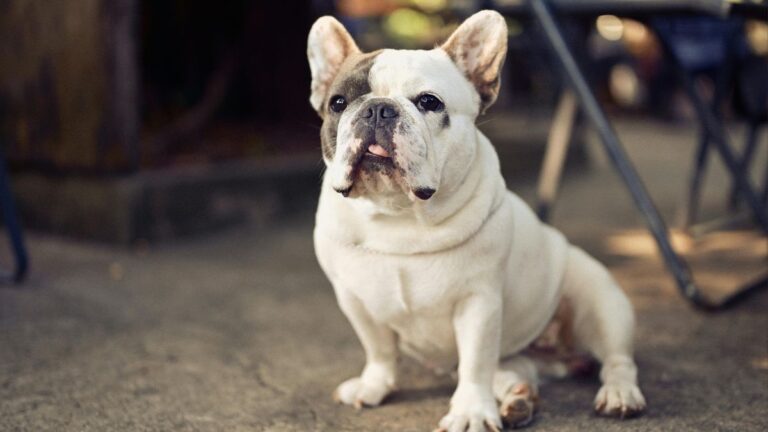
Brachycephalic breeds — including Bulldogs, Pugs, and French Bulldogs — face significantly elevated risks when sedated during travel. Their already-compromised airways become even more vulnerable under the effects of sedative medications, particularly in low-oxygen environments like aircraft cabins.
A thorough pre-travel veterinary assessment is non-negotiable for any dog, but especially for these breeds. Your vet should evaluate cardiac health, respiratory function, and overall fitness before signing off on any sedation protocol.
If you are considering traveling with a naturally calm breed, reviewing a guide to calm dog breeds for first-time owners may help you understand how temperament affects travel readiness across different dogs.
Ultimately, the safest sedation plan is one built around your specific dog’s needs, not a one-size-fits-all approach. Open communication with your veterinarian, thorough preparation, and realistic expectations will always produce the best outcomes for both of you.