
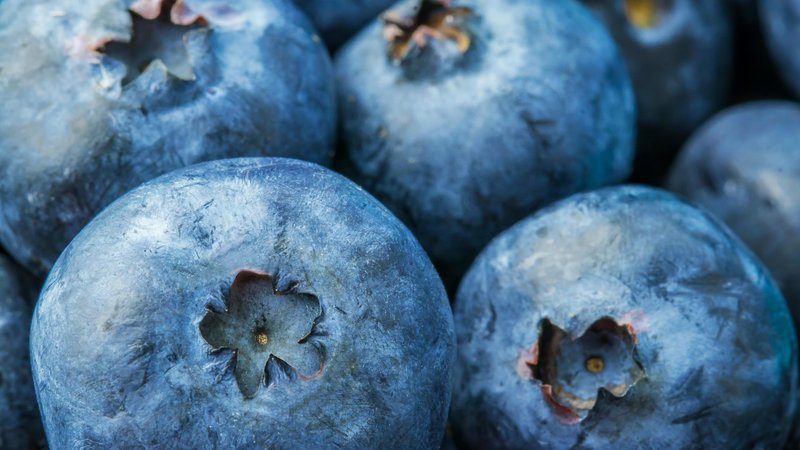
Can Dogs Eat Blueberries? Safety & Health Benefits
Blueberries are one of the most nutrient-dense fruits available, and many dog owners wonder whether they can share this snack with their pets. The good news is that blueberries are completely safe for dogs and can offer meaningful health benefits when served correctly.
That said, portion size, preparation method, and your dog’s individual health all matter. Understanding the details helps you make the best choice for your furry companion.
Nutritional Benefits and Antioxidant Content for Dogs
Blueberries are packed with vitamins C and K, manganese, and dietary fiber. These nutrients support immune function, bone health, and healthy digestion in dogs.
Perhaps their most celebrated quality is their antioxidant content. Antioxidants help neutralize free radicals, which are unstable molecules linked to cellular aging and disease.
Research published on PubMed examining canine oxidative status found that dogs fed blueberry-supplemented diets showed measurable differences in oxidative markers during exercise, suggesting a real physiological impact. This kind of evidence gives blueberries credibility beyond just being a tasty treat.
Blueberries are also low in calories, making them an excellent option for dogs that need weight management without sacrificing satisfying snack moments.
Safe Serving Guidelines by Dog Size and Weight
Portion control is essential when feeding any fruit to dogs. Treats, including healthy ones like blueberries, should never exceed 10% of a dog’s daily caloric intake.
Small dogs under 20 pounds should receive no more than 1 to 3 blueberries per day. For larger breeds over 50 pounds, up to 8 to 10 blueberries daily is a reasonable upper limit.
According to this comprehensive serving size guide, medium dogs weighing between 20 and 50 pounds — such as Beagles or Cocker Spaniels — can handle about 4 to 6 blueberries daily. This amount provides a nutritious snack while keeping their treat intake balanced.
Always start with a smaller amount when introducing blueberries for the first time. Monitor your dog for any digestive upset before making it a regular part of their diet.
Preparation Methods: Fresh, Frozen, and Forms to Avoid
Fresh blueberries are the simplest and most natural option. Rinse them thoroughly to remove any pesticide residue before offering them to your dog.
Frozen blueberries are equally safe and can serve as a refreshing summer treat. Many dogs enjoy the texture, and freezing does not significantly reduce the nutritional value.
Avoid blueberry-flavored products such as muffins, yogurt, or processed snacks. These often contain added sugars, artificial sweeteners like xylitol, or other ingredients that are harmful to dogs. If you enjoy exploring safe whole-food options for dogs, always check ingredient labels carefully before sharing human foods.
Wild Blueberries vs. Cultivated Varieties for Canine Health
Not all blueberries are created equal. The variety you choose can affect the nutritional value your dog actually receives.
As detailed in this comparison of wild and cultivated blueberries, the flavor of cultivated blueberries is less intense than that of their wild counterparts. Each cultivated blueberry also contains fewer antioxidants and less fiber, while containing more sugar.
Wild blueberries, when available, offer a more potent nutritional punch. However, cultivated varieties are still a healthy and safe choice — just be mindful of the slightly higher sugar content, especially for dogs prone to weight gain or diabetes.
Potential Risks and When to Consult Your Veterinarian
Blueberries are considered non-toxic to dogs. However, overfeeding can cause gastrointestinal issues including loose stools, bloating, or stomach discomfort due to their fiber and natural sugar content.
Dogs with diabetes, kidney disease, or other chronic conditions should only receive blueberries under veterinary guidance. Even healthy foods can interfere with specific medical management plans.
If your dog shows signs of an allergic reaction — such as itching, swelling, or vomiting — stop feeding blueberries immediately and contact your veterinarian. For urgent concerns about food toxicity, resources like the Pet Poison Helpline provide around-the-clock expert support.
For most healthy dogs, blueberries are a genuinely beneficial addition to their diet. Paired with other smart nutritional choices — like the health advantages of chia seeds for dogs — they can contribute to a well-rounded, antioxidant-rich eating routine that supports long-term wellness.