Can Dogs Eat Pineapple? Safety & Benefits
Pineapple is one of those fruits that makes dog owners pause mid-snack and wonder if sharing is a good idea. The good news is that yes, dogs can safely enjoy pineapple in moderation.
This tropical fruit packs a surprising number of nutrients that can genuinely benefit your dog’s health. However, there are a few important rules to follow before you hand over a chunk.
Nutritional Value and Health Benefits of Pineapple for Dogs
Fresh pineapple is loaded with vitamins C and B6, thiamin, riboflavin, niacin, folate, and minerals like manganese, copper, potassium, magnesium, and iron. These nutrients support immune function, skin health, and overall cellular repair.
Pineapple also contains dietary fiber, which supports healthy gut motility. The high water content makes it a hydrating snack, especially useful during warmer months.
Safety Considerations: What Parts Are Safe to Feed
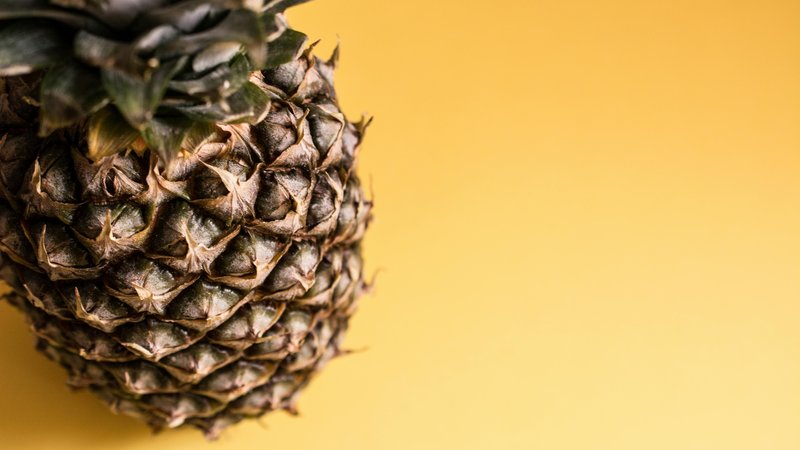
Only the soft, inner flesh of the pineapple is safe for dogs. The spiky outer skin and the tough core should always be removed before serving.
The skin poses a serious choking hazard and can cause intestinal blockages. The core, while not toxic, is fibrous and dense enough to create digestive trouble, particularly in smaller dogs.
Portion Control and the 10% Treat Rule
Like all fruit treats, pineapple should make up no more than 10% of your dog’s daily caloric intake. Treats — including healthy ones — should never displace balanced meals.
Pineapple contains natural sugars that can spike blood glucose levels if overfed. Dogs with diabetes or obesity should only receive pineapple with explicit veterinary approval.
A few small cubes a few times per week is a reasonable starting point for most healthy adult dogs. Always introduce any new food gradually and watch for signs of digestive upset.
Fresh, Frozen, and Canned Pineapple: Preparation Methods Compared
Fresh pineapple is the gold standard. It retains the most nutrients and contains no added ingredients that could harm your dog.
Frozen pineapple chunks are a fantastic warm-weather treat. Just ensure they are plain frozen fruit with no added sweeteners or syrups before serving.
Canned pineapple should generally be avoided. Most canned varieties are packed in sugary syrup or contain preservatives that offer no nutritional value and can upset your dog’s stomach. If you enjoy exploring other safe fruit and seed options for your dog, chia seeds for dogs are another nutrient-dense addition worth considering.
Bromelain Enzyme and Digestive Health Benefits
One of pineapple’s most impressive compounds is bromelain, a natural proteolytic enzyme found primarily in the fruit’s core and juice. It has genuine therapeutic potential for dogs beyond simple nutrition.
Bromelain is especially notable for its role in reducing coprophagy — the behavior where dogs eat their own stool. According to research on bromelain’s digestive effects, the enzyme works by improving protein digestion and nutrient absorption, making stool less appealing to dogs who engage in this behavior.
Bromelain also has anti-inflammatory properties that may support dogs recovering from injury or dealing with mild joint discomfort. It is one reason veterinary nutritionists view pineapple as more than just a sweet snack.
Age and Size-Specific Guidelines for Safe Feeding
A dog’s life stage significantly affects how their body processes new foods. Puppies have more sensitive digestive systems than adult dogs, so pineapple should be introduced in very small amounts and only after the puppy is fully weaned and eating solid food. Understanding dog life stages by size and breed can help you calibrate appropriate treat portions at every age.
Senior dogs may have slower digestion and underlying health conditions that make high-sugar fruits less suitable. Always consult your veterinarian before adding pineapple to an older dog’s regular diet.
Size also matters when it comes to portion sizing. Large breeds can handle slightly bigger pieces, while toy breeds should receive only tiny cubes to prevent choking. Families with small dogs should take extra care, as big dogs are typically more durable in boisterous household environments where accidental hazards are more common. If you are also exploring the right safe protein sources for dogs, tuna in spring water is another option that pairs well with a balanced whole-food approach.
When served correctly — fresh, plain, and in appropriate portions — pineapple is a genuinely wholesome treat that most dogs will love and benefit from.