Can Dogs Eat Butter? Safety Guide for Pet Owners
That pleading look your dog gives you while you’re cooking can make it tempting to share a little of everything — including butter. But just because something is safe for humans doesn’t mean it belongs in your dog’s bowl.
Butter is not toxic to dogs, but it is far from harmless. Understanding exactly what butter does inside your dog’s body is the first step to keeping them safe.
Understanding Butter’s Nutritional Impact on Dogs
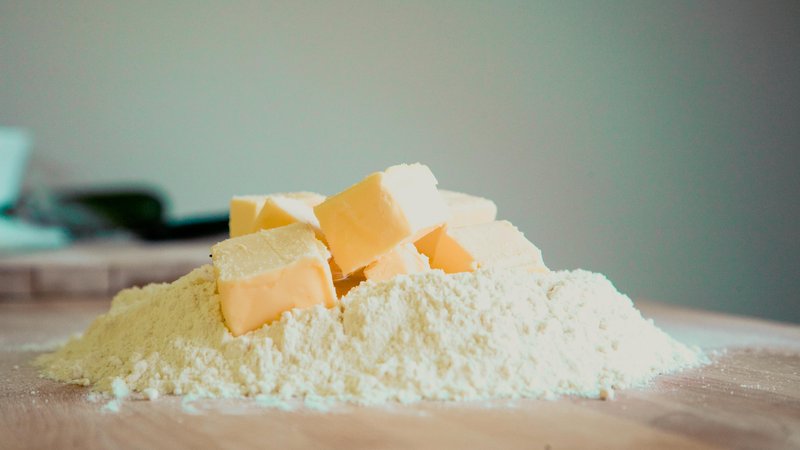
Butter is almost entirely composed of fat. A single tablespoon contains roughly 11 grams of fat, the vast majority of which is saturated fat — the same type of fat that raises health concerns in both humans and animals.
Dogs do need some fat in their diet for energy and coat health. However, the concentrated fat load in butter offers zero nutritional benefit that your dog cannot get from a far healthier source.
Butter also contains small amounts of lactose. Many adult dogs are lactose intolerant to varying degrees, meaning even a modest amount of butter can trigger digestive upset, including gas, bloating, and loose stools.
It is worth noting that medium-chain triglycerides (MCTs) are naturally found in butter, alongside dairy products like yogurt, milk, and cheese. While MCTs have some studied benefits, the overall fat and calorie density of butter makes it a poor delivery method for dogs.
Health Risks: Pancreatitis and Digestive Issues
The most serious risk associated with feeding butter to dogs is pancreatitis. This is an inflammation of the pancreas triggered by the body struggling to process an unusually high fat load.
Symptoms of pancreatitis include vomiting, abdominal pain, lethargy, and loss of appetite. In severe cases, it can become life-threatening and require hospitalization. You can learn more about canine pancreatitis and how it develops in dogs.
Certain breeds face a significantly higher risk. Research on at-risk breeds consistently identifies the miniature schnauzer, miniature poodle, Yorkshire terrier, dachshund, and cocker spaniel as especially vulnerable to acute pancreatitis.
Repeated exposure to high-fat foods like butter can also contribute to long-term canine obesity, which carries its own cascade of health consequences including joint stress, diabetes, and heart disease.
Salted Versus Unsalted Butter: Which Is Safer
If your dog has already eaten a small amount of butter, the type matters. Salted butter adds an additional layer of risk because of its sodium content.
Dogs have a much lower sodium tolerance than humans. Even moderate amounts of salt can cause increased thirst, urination, and in larger quantities, sodium ion poisoning. The dangers of salt toxicity in dogs are well documented and should not be underestimated.
Unsalted butter is marginally less dangerous in the sense that it removes the sodium concern. However, the fat content remains identical, so the pancreatitis and obesity risks are unchanged.
Safe Alternatives to Butter for Your Dog
If you want to add something to your dog’s food for palatability or a nutritional boost, there are far better options available. Plain, unsweetened pumpkin puree, a drizzle of fish oil, or small amounts of plain cooked protein are all far healthier choices.
For dogs that enjoy variety in their diet, lean proteins like fish varieties safe for dogs provide healthy fats, omega-3s, and real nutritional value without the saturated fat burden of butter.
You might also consider chia seeds for dogs as a nutrient-dense topper that delivers fiber and omega fatty acids in a much safer package.
What to Do If Your Dog Accidentally Consumes Butter
A small accidental lick of butter is unlikely to cause a serious emergency in a healthy, medium-to-large dog. Monitor your dog for the next 24 hours and watch for vomiting, diarrhea, or signs of abdominal discomfort.
If your dog consumed a larger quantity — particularly if it was salted butter or if your dog is a small or at-risk breed — contact your veterinarian promptly. You can also reach the Pet Poison Helpline for immediate guidance on table food ingestion.
Going forward, storing butter out of reach and being mindful of what goes into home-cooked meals you share with your dog is the simplest and most effective prevention strategy.