

Can Dogs Eat Eggs? Safety & Benefits Guide

Eggs are one of the most nutrient-dense foods on the planet, and many dog owners wonder whether their pets can share in that goodness. The short answer is yes — eggs are generally safe and beneficial for most healthy dogs.

That said, preparation method, portion size, and your dog’s individual health status all matter. Here is everything you need to know before cracking one open for your pup.

Nutritional Value of Eggs for Dogs

Eggs are a complete protein source, meaning they contain all essential amino acids dogs need to thrive. They also deliver vitamins A, D, E, and B12, along with riboflavin, folate, iron, and selenium.

The yolk is particularly rich in healthy fats and fat-soluble vitamins. The egg white provides a lean, highly digestible protein that supports muscle maintenance and repair.

Safe Preparation Methods: Cooked vs. Raw Eggs

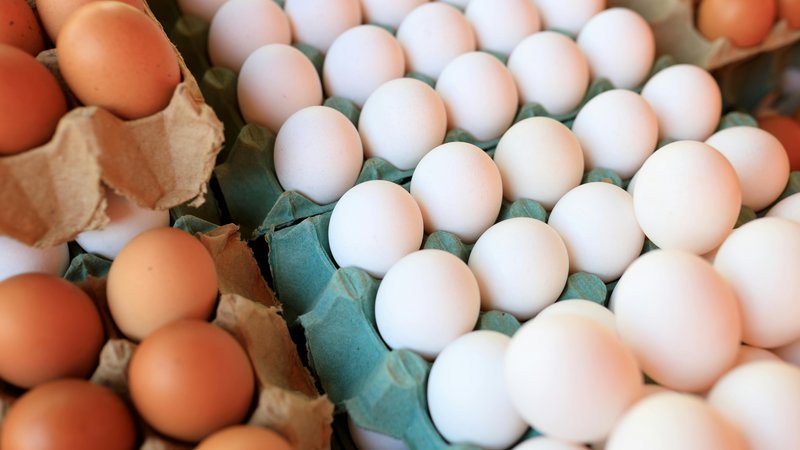
Cooked eggs are the safest option for dogs. Scrambled, boiled, or poached eggs — prepared without butter, oil, salt, or seasoning — are all appropriate choices.

Raw eggs carry a risk of Salmonella contamination and contain avidin, a protein in the egg white that can interfere with biotin absorption when consumed regularly over time. Cooking neutralizes avidin and eliminates bacterial risk.

Occasional raw egg feeding is unlikely to cause harm in healthy dogs, but cooked is the consistently safer and more nutritionally sound choice for everyday use.
Image
Photo by Matheus Bertelli on Pexels

Portion Control and the 10% Treat Rule

Eggs should be treated as a supplement or occasional treat rather than a dietary staple. The widely accepted guideline among veterinary nutritionists is that treats and extras — including eggs — should make up no more than 10% of a dog’s daily caloric intake.

A large egg contains roughly 70 to 80 calories. For a small dog, half an egg a few times per week is more than sufficient. Larger breeds can typically handle one full egg several times a week without issue.

Eggs and Joint Health: The Eggshell Membrane Advantage

Most people discard the eggshell membrane without a second thought, but this thin layer between the shell and the egg white is remarkably bioactive. According to peer-reviewed research, eggshell membrane contains collagen type I, hyaluronic acid, chondroitin sulfate, and dermatan sulfate.

These compounds are known to support joint health and may help reduce pain and stiffness associated with osteoarthritis. For senior dogs or those with joint concerns, this is a particularly compelling reason to incorporate eggs thoughtfully into their diet.

When to Avoid Eggs: Health Conditions and Allergies

Eggs are not appropriate for every dog. Dogs with pancreatitis should avoid egg yolks due to their fat content, which can trigger or worsen flare-ups.

Some dogs also have egg allergies. Signs include itchy skin, ear infections, gastrointestinal upset, or chronic paw licking. If your dog shows any of these symptoms after eating eggs, discontinue feeding them and consult your veterinarian.

Dogs managing kidney disease or protein-losing conditions may also require carefully controlled protein intake — a topic worth discussing with your vet before adding eggs to their meals.
Image
Photo by Raiyan Zakaria on Unsplash

Eggs vs. Other Protein Sources for Dogs

Eggs stand out even when compared to other high-quality proteins. Research highlighted by pet food industry nutritionists found that dogs fed egg-containing foods produced lower stool volumes compared to those fed typical chicken byproduct meal — a marker of superior digestibility.

Other proteins like beef offer their own advantages. Beef is notably high in iron and essential minerals, making it a strong complementary protein alongside eggs for dogs who tolerate both well.

If you enjoy exploring diverse, whole-food options for your dog, homemade raw dog food for large breeds is one approach that often incorporates eggs as a core ingredient. Similarly, nutrient-dense additions like chia seeds for dogs can complement eggs as part of a well-rounded, whole-food feeding strategy.

Ultimately, eggs are one of the most accessible, affordable, and nutritionally complete foods you can offer your dog. Prepared correctly and given in appropriate amounts, they are a genuine addition to a healthy canine diet.

Similar Posts

  • 5 ways Vacation Routines Stress your Pet: Psychology Science most owners Miss

    Vacations are exciting for humans, but for pets, they can feel confusing, stressful, and even scary. Many animals rely on routine to feel safe, so small travel changes can trigger anxiety in ways owners do not expect. The science is simple: pets read patterns, smells, and body language, not calendars. These five overlooked vacation habits can raise stress fast, even in calm pets, and knowing them helps you prevent problems before they start. A few small adjustments can make travel days easier for everyone.
    1. Packing Early Signals “Something Is Wrong” to Your Pet
    When you start pulling out suitcases, your pet often notices before you do. Many animals link luggage with separation, which can trigger anticipatory anxiety. Dogs and cats are experts at pattern recognition, so even quiet packing can create stress because it predicts a major change. Some pets respond by pacing, whining, hiding, or becoming clingy. Others may stop eating or start acting unusually alert. Psychology research on animal behavior shows that uncertainty is often more stressful than the event itself. Packing in smaller steps, keeping normal routines, and adding calm activities can reduce the buildup of anxiety.
    2. Your Mood and Body Language Change More Than You Realize
    Vacation prep usually comes with stress, rushing, and distraction. Pets notice that shift immediately because they rely heavily on your tone, facial expression, and energy. Even if you are excited, the fast movement, shorter patience, and unusual household noise can signal danger to an animal’s brain. This is especially true for anxious dogs and sensitive cats. Behavioral science shows that animals can mirror human stress through increased vigilance and restlessness. A pet may start shadowing you, refusing naps, or becoming reactive. Slowing down, using a calm voice, and keeping playtime normal can make a big difference.
    3. Skipped Walks, Late Meals, and Broken Timing Disrupt Safety Signals
    Many owners think pets will adjust easily to vacation timing changes, but routine is a major source of security for most animals. Meals, walks, and bedtime create predictable anchors that tell a pet their world is stable. When those anchors shift, stress rises, especially in dogs who depend on consistent potty breaks and activity. Cats can also become unsettled when feeding schedules change, which may lead to hiding, vocalizing, or litter box issues. Studies on animal stress show that predictable patterns lower cortisol over time. Even on travel days, keeping timing as close as possible helps pets stay calmer.
    4. New Smells and Spaces Can Trigger Overload, Not Curiosity
    People often assume pets will be excited by a new place, but unfamiliar environments can overwhelm them. Animals process the world through scent and sound, so hotels, rentals, or relatives’ homes can feel like sensory overload. New cleaning products, unfamiliar pets, strange floors, and different noises can raise stress quickly. Dogs may become hyper-alert, bark more, or refuse to settle. Cats may hide for hours or stop eating. Animal behavior research shows that novelty is not always enriching, especially when the pet has no control. Bringing familiar bedding, toys, and maintaining a quiet corner helps reduce that overload.
    5. Handing Them Off to a Sitter Without a Transition Creates Separation Shock
    Even if you trust your sitter, your pet may not. A sudden handoff can feel like abandonment to an animal that does not understand travel plans. Dogs may respond with barking, destructive behavior, or loss of appetite. Cats may become withdrawn, refuse interaction, or show stress through litter changes. Psychology studies on attachment show that animals form strong bonds and feel distress when those bonds are disrupted without a predictable transition. A short meet-and-greet, a trial visit, or a practice overnight can reduce stress dramatically. Familiar scents, written routines, and consistent feeding also help the sitter maintain stability.

  • Nobody Wants to Adopt This Shelter Cat Because They Think She’s Ugly

    Not every shelter cat gets a flood of adoption applications. Some wait days, others wait weeks, and then there are the ones who sit and wait while potential adopters walk right on by. Sausage Link, a six-year-old cat at the Homeward Bound Pet Adoption Center in Gloucester Township, New Jersey, falls firmly into that last…

  • This Jealous Rabbit Went Viral After Hilariously Protesting the Arrival of New Family Members

    Bringing a new pet into your home can feel like a roll of the dice, and one rabbit owner found that out in the most entertaining way possible. A video posted to TikTok on the account @lolo.luca.lily captured what can only be described as a full-blown furry protest, and the internet absolutely ate it up….

  • Your Dog Might Be Unhappy If It Does These Four Things

    Many dog owners treat their pets like true family members and show affection through hugs and cuddles without realizing that some actions can actually make their furry friends feel anxious or trapped. Professional dog trainer and psychologist Philip Legood points out that dogs communicate through subtle body language signals that often go unnoticed by even…