
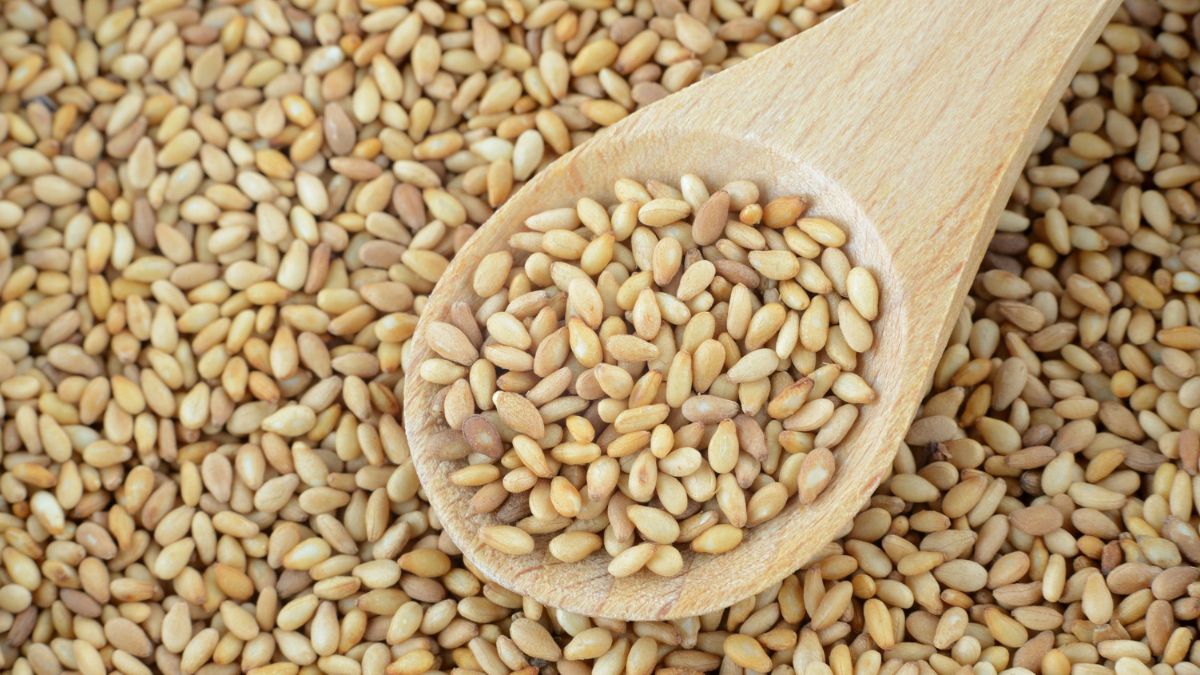
Can Dogs Eat Sesame Seeds? Is It Safe?
Many dog owners find themselves pausing before sharing a bite of their sesame-topped meal with their curious companion. The question of whether dogs can eat sesame seeds comes up frequently among caring and attentive pet parents.
Sesame seeds are not classified as toxic to dogs, but that alone does not mean they are entirely without risk. A closer look at how these tiny seeds interact with a dog’s body reveals some important considerations every owner should keep in mind.
Are Sesame Seeds Actually Safe for Dogs to Eat
From a basic safety standpoint, sesame seeds are not on the list of foods that veterinarians consider outright dangerous for dogs. Unlike grapes or chocolate, they do not contain compounds known to cause acute poisoning in canines.
That said, safe and beneficial are two very different things when it comes to pet nutrition. A food can be non-toxic and still cause problems if given in the wrong quantities or in the wrong form.
Plain, unsalted, and unprocessed sesame seeds pose the least risk, and if your pet accidentally eats a small amount, there is generally no cause for immediate panic. The concern grows when sesame seeds are consumed in larger quantities or as part of heavily seasoned dishes.
Products like sesame oil, tahini, or sesame-coated snacks often come loaded with added salt, spices, or other ingredients that are far more harmful to dogs than the seeds themselves. Always consider what accompanies the sesame seeds before deciding whether sharing is appropriate.
How Sesame Seeds Affect Dog Digestive Health
One of the primary concerns with feeding sesame seeds to dogs is how their digestive systems handle the fat content. Dogs do not process high-fat plant foods as efficiently as humans do, and sesame seeds are notably rich in fat.
Consuming even a modest amount can lead to loose stools, vomiting, or general gastrointestinal discomfort in some dogs. Smaller breeds tend to be more sensitive, and what causes a minor stomach upset in a large dog might trigger a more significant reaction in a smaller one.
Repeated exposure over time is also worth thinking about carefully. If sesame seeds become a regular part of a dog’s diet, the cumulative fat intake can contribute to weight gain and, in more serious cases, a condition called pancreatitis.
Pancreatitis is an inflammation of the pancreas that can range from mild to life-threatening, and high-fat foods are a well-known trigger. Keeping your dog’s digestive health in excellent shape means being thoughtful about fatty extras, no matter how small they seem.
Nutritional Value and Pet Nutrition Risks to Know
Sesame seeds do contain certain nutrients that sound impressive on paper, including calcium, magnesium, and various antioxidants. However, the quantities a dog would need to consume to benefit from those nutrients are far beyond what any responsible owner would consider a safe serving.
Dogs are primarily designed to thrive on a balanced, formulated diet that already meets all of their nutritional requirements. Introducing sesame seeds as a supposed nutritional supplement provides no meaningful advantage and introduces unnecessary dietary risk.
The concept of pet nutrition risk is important to keep in mind whenever you consider sharing human food with your dog. Even foods with a strong nutritional profile for people can tip a dog’s dietary balance in the wrong direction.
Commercial dog food is carefully formulated to deliver the right ratios of protein, fat, and carbohydrates for canine biology. Adding seeds or other extras without veterinary guidance can disrupt that balance in ways that are difficult to detect until a problem has already developed.
How Much Is Too Much for Your Dog
If your dog manages to snag a sesame seed roll or lick a sesame-dusted cracker off the floor, the likelihood of a serious issue is quite low. Occasional and accidental exposure to a small number of seeds is unlikely to cause lasting harm in most healthy adult dogs.
The threshold for concern shifts when sesame seeds are given intentionally and frequently. Even a teaspoon of sesame seeds contains enough fat to be a significant addition to a small dog’s daily caloric intake.
Veterinarians generally advise that treats and extras of any kind should not make up more than a small portion of a dog’s overall diet. Keeping sesame seeds firmly in the category of rare accident rather than intentional snack is the wisest approach for long-term health.
Healthier Snack Alternatives Your Dog Will Actually Enjoy
Rather than reaching for sesame seeds, there are plenty of dog-safe foods that offer genuine nutritional benefits without the drawbacks. Carrots, blueberries, and cooked plain chicken are popular choices that most dogs enjoy and that veterinarians tend to endorse enthusiastically.
These alternatives provide vitamins, fiber, and protein without the digestive risks associated with high-fat seeds. They are also much easier for a dog’s gut to process, making them far more suitable as regular occasional treats.
If you are ever unsure about a specific food, the simplest and safest step is to consult your veterinarian before offering it. A quick conversation can prevent an unnecessary trip to the emergency clinic and keep your dog feeling their very best.
Being a responsible dog owner means staying curious and informed, including knowing which foods are worth the risk and which ones simply are not. When it comes to sesame seeds, the consensus leans clearly in one direction. They are not worth incorporating into your dog’s routine, even if they are unlikely to cause an immediate emergency.