Can Dogs Eat Chicken Bones? Safety Guide
Few questions make dog owners more anxious than watching their pet snatch a chicken bone off the floor. The answer is not a simple yes or no — it depends heavily on one critical factor: whether the bone is raw or cooked.
Understanding that difference could genuinely save your dog’s life. This guide breaks down everything you need to know before making any decisions about bones and your dog’s diet.
Raw Versus Cooked Chicken Bones: Understanding the Key Differences
Raw chicken bones are soft, pliable, and generally digestible for most healthy dogs. They bend rather than shatter, which significantly reduces the risk of sharp fragments causing internal damage.
Cooked chicken bones are an entirely different story. The cooking process fundamentally changes the bone’s structure, making it brittle and prone to splintering into sharp, jagged shards. Those shards can puncture the esophagus, stomach, or intestines.
If your dog has already swallowed a cooked bone, the guide on what to do when a dog eats a cooked chicken bone offers a calm, step-by-step breakdown of your next moves.
Health Risks Associated with Chicken Bone Consumption
Cooked bones carry the highest risk of causing intestinal blockages. These blockages can be life-threatening and almost always require surgical intervention. You can learn more about the warning signs of a dog intestinal blockage and how quickly the situation can escalate.
Raw bones also carry a bacterial risk. Raw poultry can harbor pathogens like Salmonella and E. coli, which pose a threat not only to your dog but also to the humans in your household. Understanding the risks of E. coli in dogs is important before introducing any raw protein into your pet’s diet.
It is also worth noting that the scientific evidence supporting raw bone feeding is less robust than many advocates claim. A critical review of raw feeding research found that many claimed health benefits, including improved dental health, were supported by low-quality or low-relevance data.
Recognizing Symptoms of Chicken Bone-Related Injuries
If a bone fragment has caused internal damage, your dog may show signs relatively quickly. Watch for gagging, retching, excessive drooling, pawing at the mouth, or visible distress immediately after eating.
More serious symptoms include bloody stool, vomiting, a bloated or rigid abdomen, lethargy, and refusal to eat. These are red flags that demand immediate veterinary attention — do not wait to see if they resolve on their own.
Breed and Age Considerations in Bone Safety
Not all dogs process bones the same way. Puppies have developing digestive systems and should not be given bones without direct veterinary guidance. Senior dogs may have weakened teeth that crack on harder bones, creating dental injuries.
Small breeds require extra caution. Dogs in the small breed category can range from just two to three pounds up to around 25 pounds, and their digestive systems have important differences compared to larger dogs, making them more vulnerable to blockages from even small bone fragments.
For owners of large breeds who are exploring raw feeding, understanding how to build a nutritionally complete diet is essential. A resource on homemade raw dog food for large breeds covers the nutritional balance required to do this safely.
Safe Alternatives and Prevention Strategies
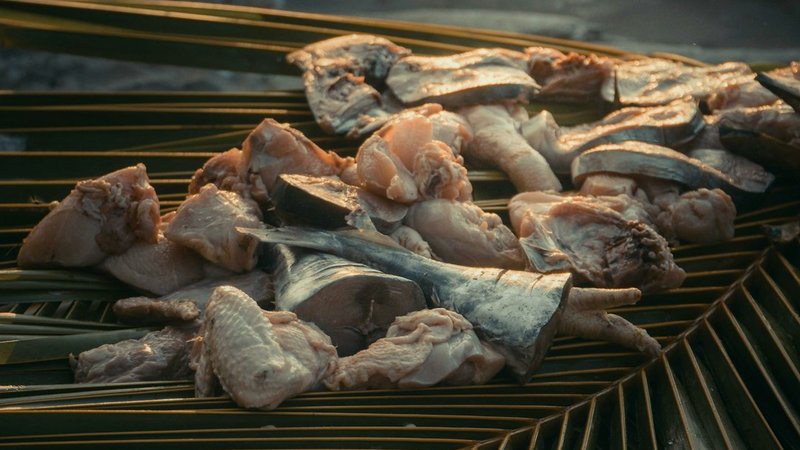
If you want to offer your dog the benefits of chewing without the risks of chicken bones, raw meaty bones like chicken necks are a popular choice among raw feeders. Chicken necks include more flesh on the bone and have the skin attached, providing a natural source of omega-3 and omega-6 fatty acids, as detailed in this comparison of poultry neck options.
Always supervise your dog during any bone chewing session. Never leave them unattended, and remove the bone if it becomes small enough to swallow whole.
Secure your trash bins and make sure guests know not to offer table scraps. The majority of dangerous bone incidents happen when dogs access bones unsupervised from garbage or dinner plates.
When to Seek Emergency Veterinary Care
If your dog swallowed a cooked chicken bone, contact your veterinarian or an emergency animal hospital immediately — even if your dog appears fine. Internal injuries are not always visible from the outside.
Do not attempt to induce vomiting unless explicitly instructed by a vet. Bringing up a sharp bone fragment can cause additional damage on the way back up.
When in doubt, always err on the side of caution. A quick phone call to your vet costs nothing, and early intervention can make an enormous difference in your dog’s outcome.