Don’t Panic When a Dog Eats a Cooked Chicken Bone
Finding out your dog just swallowed a cooked chicken bone is a moment that sends most pet owners into immediate panic mode. The situation feels alarming, and your first instinct might be to rush straight to the emergency vet. While your concern is completely valid, staying calm is actually the most important thing you can do in that moment.
Dogs eating cooked chicken bones is one of the most common accidental ingestion issues reported by pet owners every year. Understanding the real risks, knowing what signs to monitor, and learning exactly when to seek professional help will allow you to respond with clarity instead of fear.
Why Cooked Chicken Bone Dangers Are Different from Raw Bones
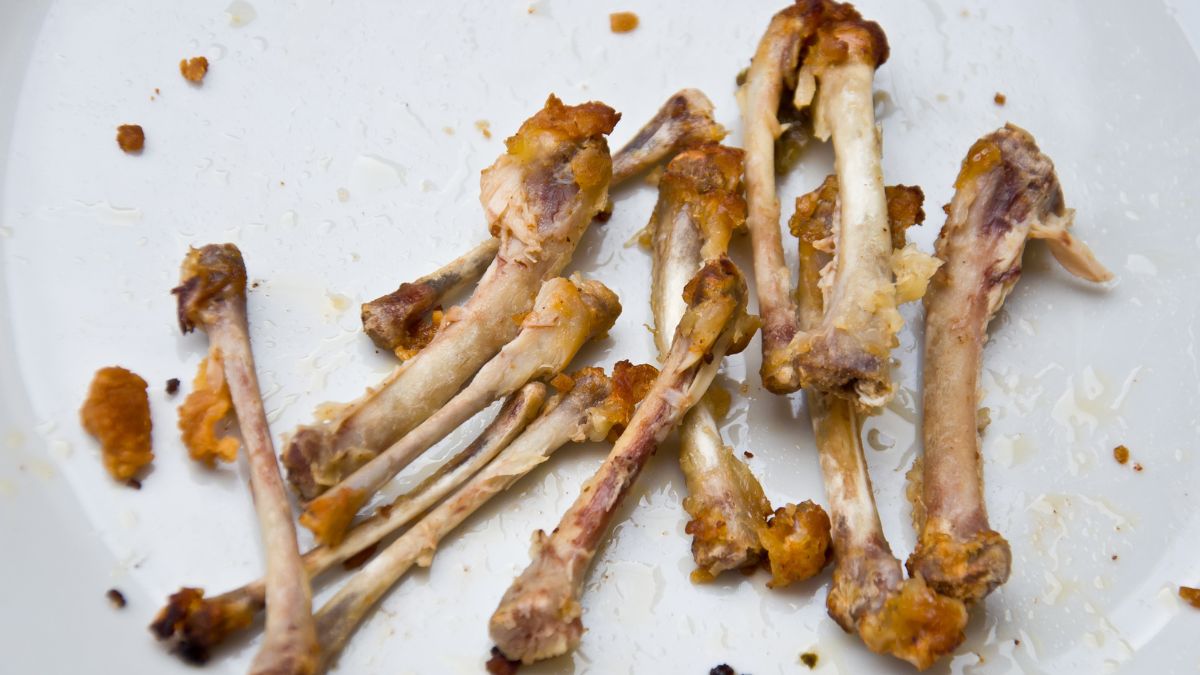
Cooked bones behave in a fundamentally different way compared to raw bones once inside a dog’s body. When chicken bones are cooked, they lose their natural flexibility and become brittle, meaning they can splinter into sharp, jagged fragments when chewed or swallowed.
These sharp pieces are the core of the concern. A raw chicken bone tends to be softer and more pliable, allowing it to pass through the digestive system with far less risk of causing internal damage. Cooked chicken bones, by contrast, can scratch or puncture the lining of the esophagus, stomach, or intestines.
This does not mean every dog that swallows a cooked chicken bone will suffer a serious injury. Many dogs, particularly larger breeds, pass small bone fragments without any visible problems at all. The outcome depends heavily on the size of the bone, the size of the dog, and whether the bone was chewed into smaller pieces before being swallowed.
Understanding the nature of cooked chicken bone dangers gives you a much clearer picture of the actual risk level you are dealing with. Reacting with informed caution is always better than either complete panic or total dismissal of the situation.
@dr.hunterfinn #onthisday ♬ original sound – Hunter Finn
Immediate Steps to Take When Your Dog Swallows a Cooked Chicken Bone
The first thing to do is take a breath and assess the situation. Try to determine how much your dog actually ate, what size the pieces were, and whether your dog is showing any immediate signs of distress such as gagging, choking, or difficulty breathing.
Do not attempt to make your dog vomit. This is a crucial point that many well-meaning owners get wrong. Inducing vomiting after bone ingestion can cause sharp fragments to travel back up and do more damage to the esophagus on the way out than they would have caused on the way down.
Keep your dog calm and prevent them from running around excessively. Offering a small amount of plain bread or soft food if your dog seems comfortable eating can help cushion bone fragments as they move through the digestive tract, and some veterinarians recommend this approach as a gentle first measure.
Note the time of ingestion and write down any details you can remember about the bone. This information will be extremely useful if you need to contact your veterinarian for guidance in the hours that follow.
Recognizing Dog Bone Symptoms to Watch Closely
Once the initial moment has passed, your job becomes careful observation. Monitoring your dog closely over the next hours and days is essential for catching any complications before they develop into serious medical emergencies.
Watch for vomiting, especially if it contains blood or dark material. Repeated vomiting is a signal that something may be lodged or irritating the digestive tract, and a dog that vomits multiple times should not be left to home monitoring alone.
Other concerning dog bone symptoms to watch include lethargy, loss of appetite, visible abdominal bloating, straining to defecate, blood in the stool, and signs of pain when you gently touch the belly area. Any one of these symptoms warrants a prompt call to your vet rather than continued observation at home.
Positive signs include normal energy levels, a healthy appetite, and the eventual passing of bone material in the stool. Seeing small bone fragments in your dog’s stool actually confirms that the digestive system did its job and the material passed through safely.
When to Call the Vet After a Dog Eats a Chicken Bone
Knowing when professional help is necessary is the key to managing this situation responsibly. If your dog is a small breed or a puppy and has swallowed a noticeably large piece of cooked bone, calling your vet immediately is the right move regardless of whether symptoms have appeared yet.
You should also call your vet right away if your dog is choking, pawing at the mouth, or having any trouble breathing at all. These are signs of a potential obstruction and represent a genuine emergency that requires immediate professional intervention rather than continued home monitoring.
For larger dogs that appear comfortable and symptom-free after swallowing a small cooked chicken bone, many vets will advise you to monitor at home and watch carefully for changes. Your vet may still want to schedule a precautionary examination or advise on the best next steps based on your specific dog’s health history and size.
Never feel embarrassed about calling your veterinarian with questions after an accidental ingestion. It is always better to make one phone call and be reassured than to wait and allow a manageable situation to develop into something far more serious.
Preventing Future Cooked Chicken Bone Accidents at Home
Prevention is always the most effective strategy when it comes to keeping your dog safe around food scraps. The simplest and most reliable rule is to dispose of all cooked chicken bones in a lidded trash can that your dog cannot access, immediately after every meal.
Educating everyone in your household about the dangers of giving dogs cooked bones is equally important. Many ingestion incidents happen not because of carelessness but because a well-intentioned family member or guest thought they were offering a perfectly harmless treat.
Be extra vigilant at social gatherings, barbecues, and family dinners where chicken is served and plates or trash bins may be more accessible than usual. Dogs are opportunistic eaters and will not hesitate to grab a bone from an unattended plate or an open bin.
Providing your dog with appropriate and vet-approved chew options is a great way to satisfy their natural chewing instincts safely. There are many products available specifically designed to give dogs the chewing satisfaction they crave without any of the risks associated with cooked animal bones.