How Big Do Bearded Dragons Get: Size Guide
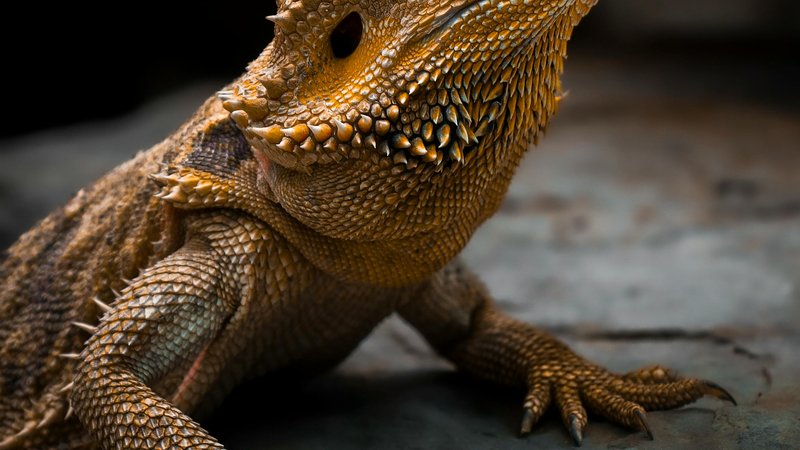
Bearded dragons are one of the most popular pet lizards in the world, and for good reason. They are calm, curious, and surprisingly personable for a reptile.
If you are thinking about bringing one home, understanding their adult size is essential for planning the right enclosure and long-term care. Size varies more than most new owners expect.
Average Adult Size and Species Variations
The most common pet species, Pogona vitticeps, typically reaches between 18 and 24 inches from snout to tail tip. Males generally grow larger than females, often pushing closer to that 24-inch mark.
Other species within the Pogona genus stay noticeably smaller. The Rankin’s dragon, for example, usually maxes out around 12 inches, making it a popular choice for keepers with limited space.
Growth Stages From Hatchling to Maturity
Hatchlings emerge at roughly 3 to 4 inches long. They grow rapidly during their first year, often gaining several inches each month under proper care.
By 12 months, most bearded dragons have reached somewhere between 15 and 20 inches. Full skeletal maturity typically arrives between 18 and 24 months of age.
Growth does not stop abruptly. Dragons can continue filling out in muscle and body mass even after their length plateaus, so a two-year-old beardie may look noticeably bulkier than a one-year-old of the same length.
Key Factors That Influence Growth and Size
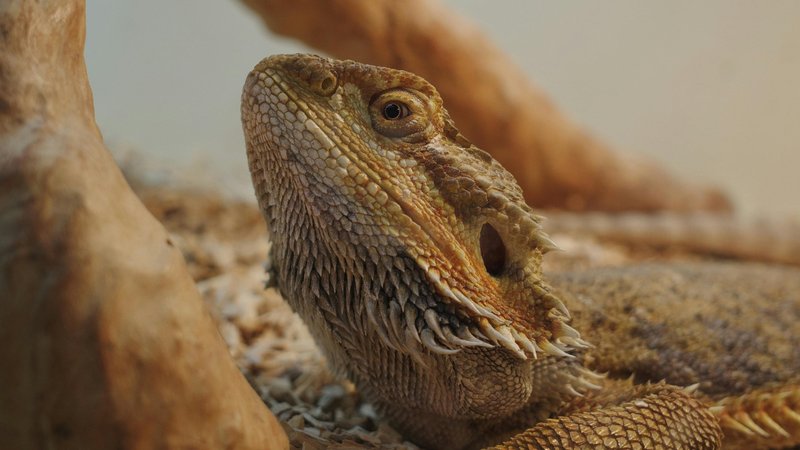
Genetics play a foundational role. A dragon bred from larger parents has a higher likelihood of reaching the upper end of the size range.
This is one reason sourcing from a reputable breeder matters so much. Captive-bred reptiles avoid the intense stress and parasite loads that wild-caught animals endure, giving them a healthier developmental foundation from day one.
Selective breeding has also shaped the size potential of captive bearded dragons over generations. Research on selective breeding has demonstrated that targeted breeding programs can produce meaningful increases in body size across generations in various species.
Enclosure size is another underappreciated factor. A dragon kept in a cramped vivarium may experience restricted growth compared to one given adequate room to move and thermoregulate properly.
Nutrition, Lighting, and Environmental Requirements for Optimal Development
Juveniles need a protein-heavy diet, with live insects making up a large portion of their daily meals. As they mature, leafy greens and vegetables gradually become the dietary focus.
UVB lighting is non-negotiable. Without adequate UVB exposure, bearded dragons cannot synthesize vitamin D3, which is critical for calcium absorption and healthy bone development.
Temperature gradients inside the enclosure also matter. A basking spot between 100 and 110 degrees Fahrenheit, paired with a cooler ambient side around 80 degrees, supports proper digestion and metabolic function.
If you are planning to travel with your dragon or move them between locations, it is worth reading up on current regulations. This guide on flying with a bearded dragon covers the latest rules for exotic companions in detail.
Identifying Stunted Growth and Health Concerns
A bearded dragon that falls significantly below average size for its age may be experiencing metabolic bone disease, parasites, or chronic nutritional deficiencies. Early detection makes a real difference in outcomes.
Metabolic bone disease is one of the most common causes of stunted growth. It develops when calcium and phosphorus are chronically out of balance, often due to poor diet or insufficient UVB exposure.
Parasites are another concern, particularly in animals that were not sourced from reputable captive breeding programs. A fecal exam from a reptile-experienced vet can rule this out quickly.
Watch for soft or bowed limbs, lethargy, and a reluctance to eat. These are early warning signs that something is affecting normal development and should prompt a vet visit without delay.
Reptile ownership is deeply rewarding when the basics are done right. Matching your care routine to your dragon’s specific growth stage is the single most effective way to help them reach their full, healthy size. Much like understanding what is safe for other pets — such as learning what dogs can safely eat — knowing your animal’s needs from the start prevents most common problems before they begin.